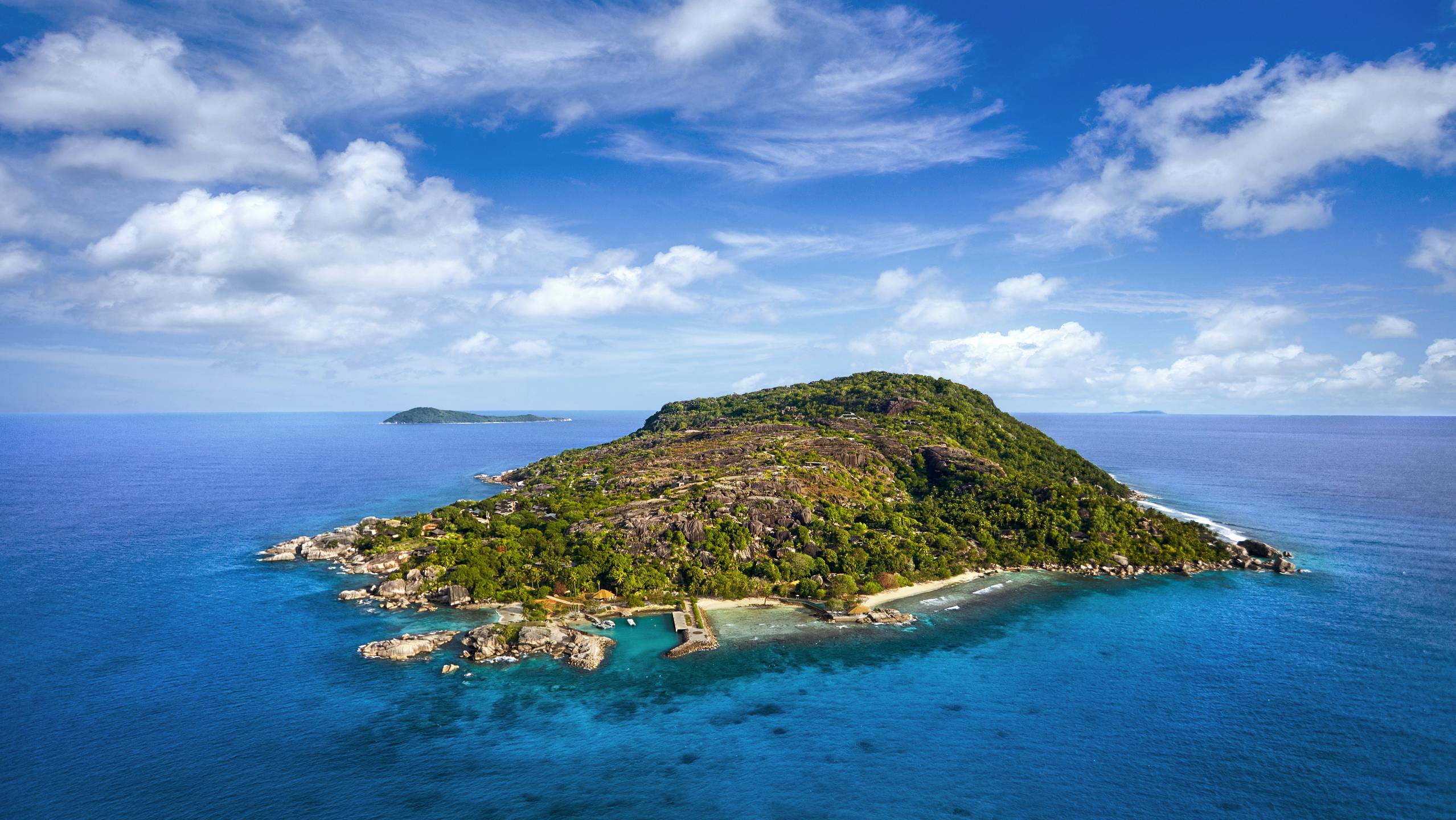
Private island resorts represent one of the most exclusive forms of luxury travel. Unlike traditional beach resorts, where guests share common space with hundreds of other vacationers, private island resorts offer a completely different paradigm of hospitality—one where an entire island becomes the setting for rest, romance, adventure, and privacy. These islands are sanctuaries designed for those who want to disconnect from the pace of everyday life and immerse themselves in nature without compromising comfort. With only one resort or one estate occupying the entire island, guests enjoy a level of seclusion and personal freedom that is nearly impossible to find elsewhere.
The demand for private island resorts has grown dramatically over the past decade, driven by high-net-worth travelers, honeymooners, celebrities, wellness seekers, and families who value privacy and personalization. The pandemic era accelerated this desire for exclusive travel, as many travelers sought remote getaways far from crowds. Today, private islands are not just for the ultra-rich; they have become aspirational experiences supported by a growing inventory of ecologically responsible, wellness-oriented, and design-led properties in different corners of the world.
What defines the allure of private island resorts is not solely luxury—it is the feeling of being on the edge of the world, surrounded by tropical forests, coral reefs, white sand beaches, or rocky coastlines with no strangers or noise in sight. Whether guests arrive by seaplane, yacht, or helicopter, the moment they step foot on a private island is transformative. There is a palpable sense of liberation—shoes become optional, schedules slow down, and natural rhythms govern the day. This guide explores what makes private island resorts unique, the best global destinations for them, the most iconic properties, and the experiences that define barefoot luxury.
What Defines a Private Island Resort
A private island resort operates on a fundamentally different model than traditional hotels. While luxury beach resorts may offer seclusion and high-end amenities, private island resorts take the concept further by occupying an entire island with a single property. This means all beaches, forests, lagoons, and surrounding reefs are part of the resort’s domain. Guests are not simply visiting—they are inhabiting the island.
Privacy and exclusivity are inherent to the experience. Many private island resorts restrict occupancy to a limited number of villas or suites, which means that even if the resort is fully booked, it never feels crowded. Staff-to-guest ratios tend to be high, guaranteeing personalized service. At the highest tier, guests can request a full island buyout, allowing them to host weddings, family celebrations, or corporate retreats with complete privacy.
Nature immersion is another defining feature of private island resorts. Guests wake to the sound of waves, birds, and wind rather than traffic or construction. Coral reefs, mangroves, rainforests, granite cliffs, and sandbanks become part of daily exploration. There are no marinas lined with tourists, no beach vendors, no city lights—just untouched ecosystems shaped by tides and seasons.
Luxury infrastructure supports this natural seclusion. Private island resorts typically include yacht docks, helipads, seaplane access, private butler service, wellness centers, marine activity hubs, organic gardens, fine dining restaurants, and villas spaced far apart to preserve privacy. For guests, it feels as though nature and comfort have reached a perfectly harmonious compromise.
Types of Private Island Resorts
Private island resorts vary dramatically in style and philosophy, allowing different kinds of travelers to find their ideal escape. At the highest echelon are ultra-luxury private islands catering to celebrities, royalty, and high-net-worth individuals who require extreme privacy and bespoke service. These islands may operate as exclusive estates, often with only a handful of villas or even a single residence. They include personal chefs, security teams, private aviation access, and the option to rent the entire island.
Eco-conscious private islands offer a more nature-driven experience. Sustainability is central to their design, including renewable energy, marine conservation, organic food production, and low-impact architecture. Travelers who value environmental responsibility and cultural respect are drawn to these properties.
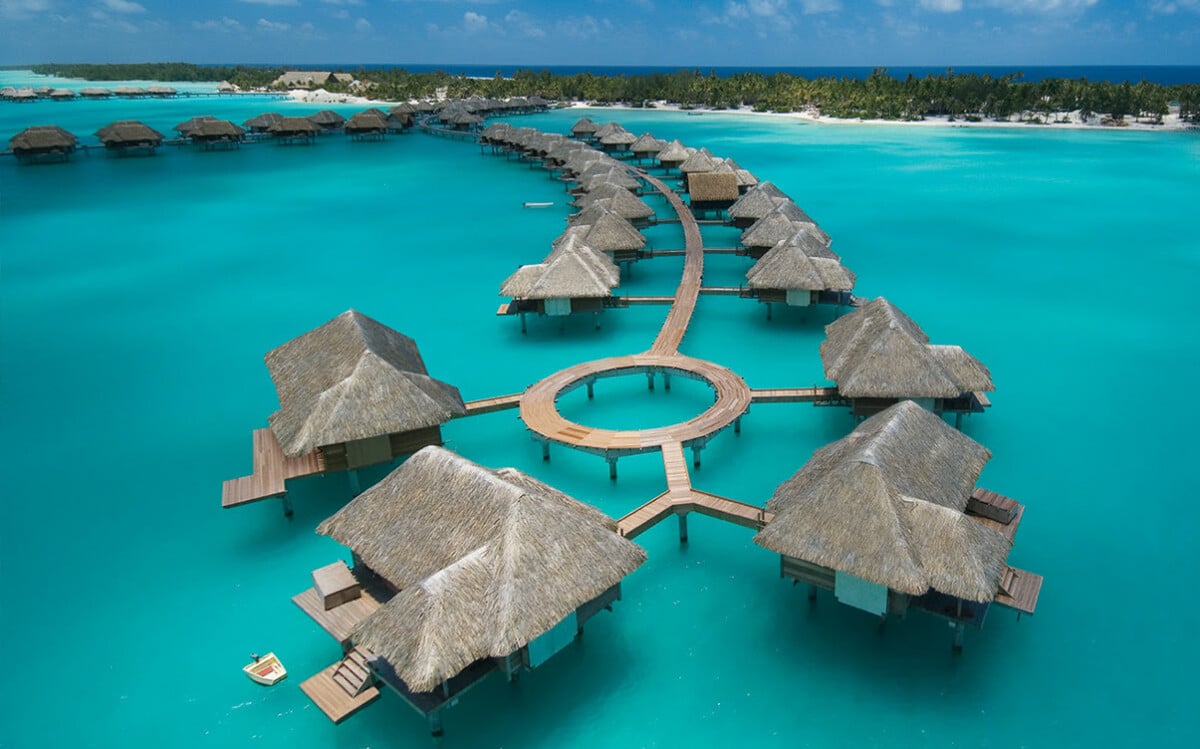
Overwater villa private islands combine lagoon settings with tropical luxury. Found mostly in Maldives, French Polynesia, and parts of Southeast Asia, these islands feature villas perched on stilts above turquoise waters, providing direct lagoon access for snorkeling or swimming.
Adventure-focused private island resorts appeal to travelers who want to explore reefs, kiteboard on sand flats, dive shipwrecks, kayak through caves, or hike through unexplored forests. These islands serve as marine and nature playgrounds with professionally guided activities.
Wellness private islands cater to guests seeking detox, healing, or reconnection. They offer meditation platforms, sound healing, yoga pavilions, hydrotherapy pools, and nutrition-focused dining. Such islands support physical, mental, and emotional wellness in serene environments.
Family-friendly private island resorts strike a balance between privacy and community. They offer multi-bedroom villas, pools, kids’ clubs, marine activities, and dining options that satisfy both adults and children. These islands are ideal for multi-generational travel where privacy and safety are priorities.
Couples-only or adults-only private islands focus on romance. Standalone villas, beachfront bathtubs, candlelit dining, and spa rituals create the perfect environment for honeymoons or anniversaries.
This diversity shows that private island luxury is not monolithic—it can be barefoot, glamorous, eco-conscious, adventurous, or holistic, depending on the island’s character and the traveler’s expectations.
Destinations Famous for Private Island Resorts
Private island resorts are found in some of the most breathtaking regions on Earth, each offering unique landscapes, cultural influences, and marine environments.
The Maldives is arguably the global capital of private island resorts. With more than a thousand coral islands scattered across 26 atolls, Maldives offers shallow lagoons, overwater villas, bioluminescent beaches, and world-class diving. Resorts here vary from ultra-modern minimalist designs to eco-luxury barefoot paradises. Honeymooners, families, and high-net-worth travelers flock to Maldives for tranquility, seaplane transfers, and infinite ocean views.
Seychelles offers private islands with dramatic granite mountains, lush rainforests, and powder-soft beaches. The biodiversity here is extraordinary, with giant tortoises roaming freely and coral reefs thriving offshore. Private islands in Seychelles blend nature with high-end hospitality, attracting wellness and nature lovers who value privacy.
French Polynesia—particularly Bora Bora, Taha’a, and Tetiaroa—combines volcanic peaks with crystal lagoons. The contrast of emerald mountains rising above turquoise waters creates a cinematic backdrop. French Polynesia is renowned for romance, drawing honeymooners seeking iconic overwater villas and marine encounters.
Fiji offers private islands enriched by culture. Fijian hospitality, traditional ceremonies, and lush volcanic landscapes set the tone. Activities range from reef diving to waterfall hikes, making Fiji ideal for couples and families who want cultural immersion with luxury.
The Caribbean is filled with private island possibilities. Islands in the Bahamas, Turks & Caicos, Saint Lucia, Antigua, St. Barts, and the British Virgin Islands offer turquoise waters, soft sand, and tropical vegetation. Caribbean private islands serve a mix of celebrity retreats, family villas, and wellness hideaways with easy access from North America.
Mauritius and Zanzibar offer Indian Ocean island experiences that blend Arabian, African, and European cultural influences. Private islands here often emphasize spa programs, sailing, and cultural culinary traditions.
Southeast Asia—particularly Indonesia and the Philippines—boasts enormous archipelagos where private island resorts feel remote and pristine. The waters are rich with marine life, making these destinations favorites for divers and nature lovers.
Belize and Central America offer private island stays near the Mesoamerican Barrier Reef. Guests enjoy exceptional diving, whale shark encounters, and access to rainforests on the mainland.
Australia’s Great Barrier Reef islands provide barefoot luxury paired with one of the world’s most extraordinary natural wonders. These islands appeal to marine enthusiasts, conservationists, and travelers looking for eco-adventure.
Each region attracts different kinds of guests, but all share the essential qualities of privacy, nature, and luxury.
Iconic Private Island Resorts Around the World
Certain private island resorts have achieved iconic status due to their design, philosophy, and clientele. The Brando in French Polynesia, located on the atoll of Tetiaroa, is one such resort. Once owned by Marlon Brando, it embodies sustainable luxury with solar power, seawater air conditioning, organic gardens, marine research centers, and villas that blend into the island’s natural surroundings. Guests experience Polynesian culture through dance, cuisine, and traditional healing rituals.
North Island in Seychelles is another legend in private island travel. Known for hosting royal honeymoons, it offers villas crafted from natural materials, private beaches, and conservation programs protecting sea turtles and rare bird species. The experience here is barefoot luxury at its finest—privacy, wilderness, and intuitive service.
Soneva Fushi and Soneva Jani in Maldives define the philosophy of intelligent barefoot luxury. Soneva pioneered outdoor cinema, stargazing observatories, private water slides, and villas with retractable roofs. Sustainability forms the core of the experience, with organic gardens, waste-to-wealth recycling, and marine conservation.
COMO Parrot Cay in Turks & Caicos is known for its wellness programming, holistic therapies, and celebrity clientele. Villas come with private pools and beachfront access, and the resort offers yoga retreats, plant-based menus, and Ayurvedic treatments.
Laucala Island in Fiji is owned by a luxury automotive billionaire and operates as one of the world’s most exclusive island resorts. Only a small number of villas occupy the island, each with expansive space, private pools, and ultra-luxury amenities. The island includes a private airstrip, golf course, horseback riding, and incredible marine life.
Necker Island in the British Virgin Islands is Richard Branson’s famous estate, where buyouts give guests complete control of the island. Necker epitomizes playful luxury with catamarans, tennis courts, wildlife sanctuaries, and panoramic viewpoints.
Song Saa in Cambodia combines private island luxury with sustainability and spiritual wellness. Villas sit above reefs and tropical waters, and the resort invests heavily in marine protection, community support, and monastic culture.
Six Senses Zil Pasyon in Seychelles occupies the private island of Félicité, where dramatic granite boulders and tropical vegetation create visually striking settings. Six Senses blends wellness, design, nature, and dining to create an immersive island experience.
Amanpulo in the Philippines sits on Pamalican Island, where coral reefs and white sands surround villas inspired by traditional Filipino design. Aman’s reputation for serenity and service makes it a favorite among discerning honeymooners.
These properties are not just hotels—they are worlds unto themselves, each with its own identity, culture, and rhythm.
Signature Features of Private Island Luxury
Private island resorts offer signature features that elevate the experience far beyond typical beach vacations. Private villas and residences are essential. Rather than occupying rooms in a hotel building, guests stay in standalone villas surrounded by gardens, beaches, or lagoons. Each villa is a sanctuary with indoor and outdoor living spaces, private pools, terraces, and often direct ocean access.
Private beaches and coves ensure that guests rarely encounter crowds. Some islands assign specific beach zones to each villa, guaranteeing uninterrupted privacy. Overwater bungalows add another dimension, allowing guests to climb directly into lagoons filled with tropical fish.
Private butler and concierge services are standard at many island resorts. These teams manage everything from unpacking luggage and drawing baths to arranging snorkeling trips or private dinners. Service feels personalized and discreet rather than formal or intrusive.
Yacht and seaplane transfers are part of the luxury infrastructure. Guests may arrive by private boat, helicopter, or seaplane, bypassing conventional airports. This elevates the journey from the very first moment.
Island spas and wellness centers incorporate local botanicals, ancient healing systems, and modern therapies. Many private island resorts build spa pavilions into cliffs, forests, or beachfront coves, making wellness part of the landscape.
Personalized dining programs allow chefs to craft meals tailored to dietary preferences, cultural traditions, or romantic settings. Guests may dine on sandbanks, floating platforms, or villas at sunset. Culinary programs integrate organic gardens, permaculture farms, or local fishermen to ensure freshness and sustainability.
Marine activities form a core part of private island life. Guests can dive coral reefs, snorkel through underwater gardens, paddleboard in calm lagoons, or kayak through mangroves. Sailing charters, dolphin watching, and whale shark expeditions add adventure.
Outdoor cinemas, stargazing decks, bonfires, and hammocks suspended between palms contribute to the barefoot luxury aesthetic—relaxed, sensual, and connected to nature.
Dining and Culinary Experiences
Private island resorts redefine dining as a sensory and cultural experience. Farm-to-table and sea-to-table concepts are common, especially in islands with organic gardens, orchards, or fishing communities. Meals showcase local flavors—tropical fruits, seafood caught hours earlier, herbs grown on island farms, and spices rooted in cultural traditions.
Private chefs prepare dishes in oceanfront kitchens or directly in guest villas. Wine cellars and sommelier services allow curated pairings with global vintages. In islands like Fiji or French Polynesia, traditional fire-cooked meals and ceremonial feasts showcase indigenous culinary heritage.
Beach dinners with lanterns and candlelight are part of honeymoon and anniversary celebrations. Sandbank lunches in Maldives—served on tiny patches of white sand in shallow lagoons—are unforgettable experiences. Floating breakfasts in private pools, sunset tapas on boats, and picnics on uninhabited islets extend the dining experience beyond restaurant walls.
For wellness travelers, detox menus, plant-based cuisine, and cold-pressed juices are common. For adventurous gourmands, multi-course tasting menus and Japanese-Peruvian fusion can be found on islands like Bora Bora or the Caribbean.
Dining on a private island is not just fuel—it is a form of storytelling that connects guests to nature, culture, and creativity.
Wellness, Nature and Sustainability
The future of private island resorts is deeply tied to nature and sustainability. Many leading properties position themselves as custodians of fragile ecosystems rather than exploiters of beautiful landscapes. Renewable energy, waste management, reef conservation, and community partnership programs are now essential practices.
Marine conservation programs protect coral reefs, sea turtles, manta rays, and sharks. Reef restoration and coral nurseries allow guests to participate in replanting or monitoring coral growth. Biodiversity research centers help scientists study climate change impacts, often in collaboration with local universities.
Organic farming and permaculture reduce reliance on imports while providing healthier food for guests. Water filtration and rainwater harvesting reduce waste. Waste-to-energy systems and composting help islands achieve sustainability goals.
Wellness is closely interlinked with nature. Yoga platforms overlook lagoons, meditation pavilions sit in forests, and spa treatments integrate local oils, herbs, and mineral-rich clays. Sound healing, breathwork, Ayurveda, aromatherapy, and hydrotherapy give guests tools for physical and mental reset.
Private islands are uniquely positioned to support regenerative travel, where guests leave ecosystems healthier than they found them.
Adventure, Activities and Exploration
While many guests come to private island resorts to relax, others seek adventure and exploration. Snorkeling and diving are major attractions, especially in regions like Maldives, French Polynesia, Seychelles, and Belize. Reefs are vibrant with marine life—turtles, rays, sharks, and colorful fish.
Sailing and yachting open access to remote sandbanks, coves, and neighboring islands. Kayaking and paddleboarding provide quiet ways to explore shallow lagoons. Jet skis and kiteboarding add adrenaline for sport-loving travelers.
Whale watching, dolphin cruises, and turtle nesting tours bring wildlife into focus. In certain seasons, guests may witness migrating humpbacks or bioluminescent plankton.
Jungle hikes, birdwatching, cave exploration, and village visits introduce cultural and ecological diversity. Helicopter tours and seaplane flights allow guests to view reefs, volcanoes, or mountains from the air.
The goal is not only recreation but connection—to water, land, culture, and self.
Privacy, Security and VIP Services
Private island resorts have become favored escapes for celebrities, athletes, business leaders, royals, and public figures who require discretion. Security measures are sophisticated yet invisible. Some islands offer complete buyouts, allowing a single family or group to occupy the entire island with no outside guests.
Staff sign confidentiality agreements, sea access may be restricted, and private aviation eliminates public terminals. Butlers manage logistics, chefs prepare meals according to diets, and wellness advisors coordinate schedules. The environment is relaxed yet secure, giving VIP guests freedom to live without scrutiny.
Privacy is not just about who sees you—it is about feeling unburdened by schedules, noise, or expectations.
How Much Do Private Island Resorts Cost
Private island resorts vary widely in price. Entry-level private islands within archipelagos like Indonesia or Central America may be accessible during low season. Ultra-luxury private islands in Maldives, Seychelles, or Fiji can cost thousands per night. Full island buyouts can reach six or seven figures depending on location, season, and services.
Pricing reflects infrastructure, transportation, staffing, sustainability investments, and exclusivity. Guests are not paying simply for a hotel room—they are paying for privacy, nature, personalization, and time.
Access also impacts cost. Seaplanes, helicopters, yachts, and private jets contribute significantly to the ultra-luxury experience. The convenience of skipping commercial airports and crowded terminals begins the moment the journey starts.
Who Private Island Resorts Are For
Private island resorts cater to a specific set of travelers who value privacy, experience, and natural beauty. Honeymooners and couples seek romance, seclusion, and once-in-a-lifetime memories. High-net-worth individuals seek privacy, security, and discretion. Families and multi-generational groups value safety and spacious villas. Wellness travelers come for healing and rejuvenation. Adventure seekers come for diving, sailing, or exploring. Celebrities come to escape public life. Companies use buyouts for retreats, while couples use them for destination weddings.
The common thread is the desire for space, peace, and authentic connection—to nature, to loved ones, and to oneself.
The Future of Private Island Luxury
The future of private island resorts will be shaped by regenerative travel, sustainability, wellness, and technology. Carbon-neutral islands, floating villas, reef-safe operations, and AI-enhanced personalization will become mainstream. Underwater suites are already emerging in Maldives and Dubai, offering surreal marine experiences. Electric aviation may soon replace seaplanes, making access greener. Space travel may introduce orbital honeymoons, transforming the definition of remoteness.
Private island luxury will evolve not through more marble and gold, but through ecological stewardship, purposeful design, and deeper human connection. The most luxurious future islands will balance indulgence with responsibility.
Frequently Asked Questions
What is a private island resort?
A private island resort is a luxury property that occupies an entire island, offering guests exclusive access to beaches, forests, reefs, and resort amenities without sharing space with other hotels or large crowds.
How much does a private island resort cost?
Costs vary widely based on destination, season, and exclusivity. Some private islands cost a few thousand dollars per night, while ultra-luxury islands or full buyouts can cost substantially more.
Are private island resorts all-inclusive?
Some private island resorts offer all-inclusive packages that include meals, transfers, activities, and spa treatments. Others operate on an à la carte model, allowing guests to personalize their experience.
Where are the best private island resorts in the world?
Top regions include Maldives, Seychelles, French Polynesia, Fiji, the Caribbean, the Philippines, Indonesia, and Australia’s Great Barrier Reef.
Can you rent an entire private island?
Yes. Many private islands offer full buyouts for weddings, family celebrations, corporate retreats, or holidays. Buyouts ensure complete privacy and control over the island environment.
Are private island resorts suitable for honeymoons?
Yes. Private island resorts are among the most sought-after honeymoon destinations due to their romance, seclusion, and personalized service.
Do private islands have butler service?
Many luxury private island resorts offer butler service, private chefs, and personal concierge teams to manage logistics, dining, activities, and wellness.
What is the most luxurious private island in the world?
Opinions vary, but islands like The Brando, North Island Seychelles, Laucala Island, Necker Island, and Soneva Jani are often cited among the most luxurious.