Overwater bungalows have become one of the most recognizable symbols of luxury travel. Suspended above turquoise lagoons and supported by wooden stilts, these villas allow travelers to step directly from their deck into warm tropical waters. They offer experiences that blend architectural curiosity with natural wonder: waking to the sound of waves beneath your bedroom floor, snorkeling with reef fish from a private ladder, bathing in open-air tubs facing the horizon, and falling asleep as the sea breeze drifts through sliding doors. Overwater bungalows are designed not only for beauty but for immersion—immersion in nature, in privacy, in romance, and in sensory stillness. While they are especially beloved by honeymooners and couples celebrating milestones, they also attract families, divers, snorkelers, and any traveler who values unique accommodation as part of the journey.
The concept of overwater bungalows is relatively modern in the history of hospitality. They did not emerge from centuries of traditional housing but from a creative idea in the mid-20th century that transformed the way travelers experience tropical destinations. From a handful of pioneering bungalows in French Polynesia to the thousands found across the Maldives today, the overwater villa has evolved into a global travel phenomenon. This guide explores their origins, types, destinations, architecture, sustainability, and future while showcasing some of the world’s most iconic overwater resorts.
What Makes Overwater Bungalows Unique
Overwater bungalows stand apart from other forms of luxury accommodation because they create a direct connection between guest and environment. Instead of waking up to a view of the sea from a balcony onshore, guests in overwater villas wake above the sea itself, often surrounded on all sides by water. This vertical immersion changes the emotional experience of travel. The lagoon becomes a private pool, the reef becomes an underwater garden, and the horizon becomes part of the room’s architecture.
Privacy is a major part of their appeal. The spacing between villas prevents noise and visual intrusion, allowing couples to enjoy solitude without feeling isolated. Outdoor terraces, plunge pools, hammocks suspended over the water, and direct access ladders give guests the ability to sunbathe, swim, snorkel, or simply daydream without leaving the villa.
Sound plays an important role. Without traffic or crowds, guests hear only the movement of waves against wooden stilts, tropical birds overhead, and distant winds sweeping across the lagoon. At night, the stars appear brighter without city light, and moonlight glitters across the water.
For many travelers, the most mesmerizing part of staying in an overwater bungalow is the proximity to marine life. Reef fish, rays, and even small reef sharks can often be spotted directly beneath glass viewing panels or swimming in shallows around the stilts. In clear lagoons, the ocean becomes a living aquarium.
History and Evolution of Overwater Bungalows
The modern overwater bungalow began in the 1960s in French Polynesia. Three American entrepreneurs—known as the “Bali Hai Boys”—were responsible for the first documented bungalow at the Bali Hai Hotel on Raiatea island. Their idea was born from necessity: the property lacked sandy beaches, so they built rooms over the water to offer guests direct lagoon access. This was followed by enhancements in nearby Moorea, where the concept evolved from novelty to signature experience.
In the 1970s and 1980s, overwater bungalows became closely associated with Tahiti and Bora Bora, fueled by romantic marketing that positioned French Polynesia as the ultimate honeymoon paradise. Travel magazines showcased thatched-roof bungalows against volcanic peaks and turquoise lagoons, and the image imprinted itself into the global collective imagination.
By the 1990s, the concept expanded beyond French Polynesia. The Maldives embraced the model on a larger scale, building overwater villas across coral atolls. The Maldivian lagoon environment—shallow, warm, and calm—proved ideal for constructing wooden platforms and walkways. Very quickly, the Maldives became the new heartland of overwater luxury.
In the 2000s and 2010s, interest spread to Fiji, Seychelles, Thailand, Malaysia, Cambodia, the Caribbean, and even the Arabian Gulf. Today, overwater bungalows are no longer limited to one region. They have been adapted to different architectural styles, cultural contexts, and sustainability philosophies.
What began as a creative solution to a problem became one of the most aspirational forms of luxury lodging in the world.
Types of Overwater Bungalows
While all overwater bungalows share the structural trait of being built above a lagoon or reef, the types vary widely depending on destination, resort philosophy, and traveler preferences.
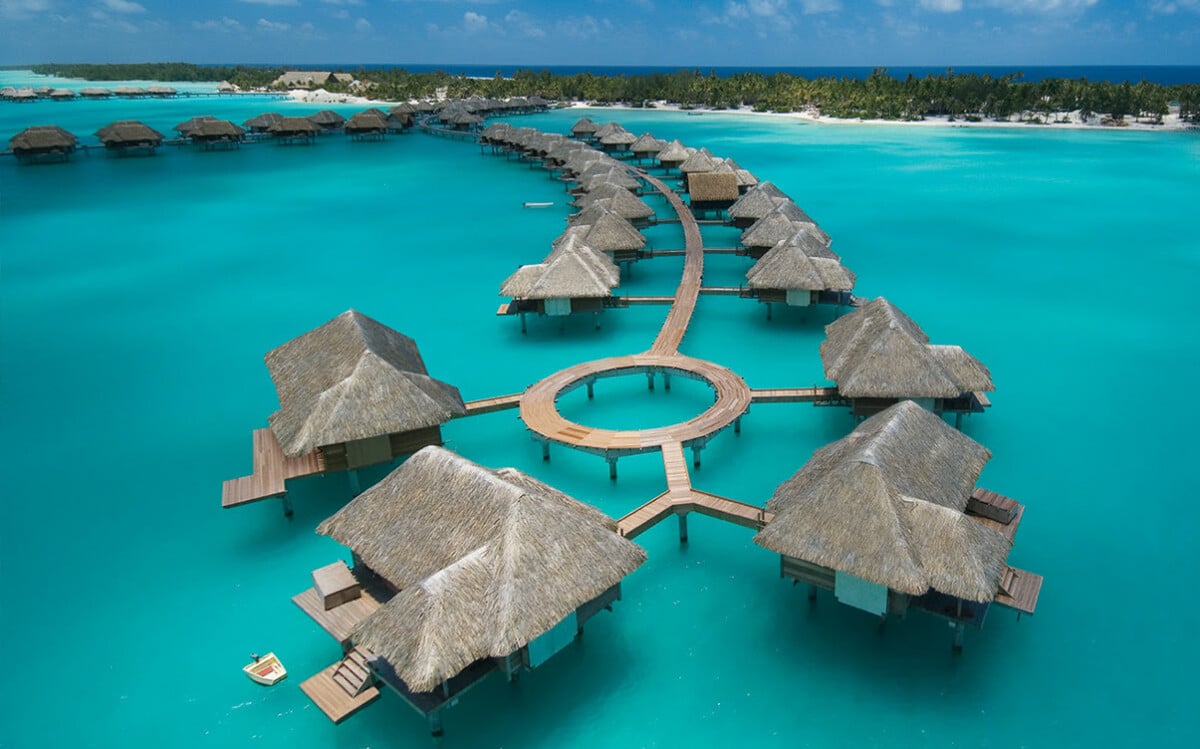
Classic Polynesian overwater bungalows are the most recognizable. Modeled on traditional island architecture, they feature natural materials such as pandanus roofing, timber beams, bamboo walls, and woven ceilings. Interiors emphasize simplicity and intimacy, and the focus is on lagoon views and outdoor living rather than excessive ornamentation.
Lagoon villas with private pools represent a modern evolution. Found mostly in the Maldives, they include infinity-edge plunge pools facing the horizon, outdoor dining pavilions, daybeds, and sometimes rooftop decks. These villas are designed for couples seeking both privacy and contemporary luxury.
Glass-floor and marine-view villas introduce a playful element, allowing guests to watch fish and coral without entering the water. Some feature large viewing panels beneath coffee tables, others include underwater spotlights that attract marine life at night.
Ultra-luxury multi-bedroom overwater residences cater to families and groups. These expansive structures include multiple suites, living rooms, private gyms, media rooms, and oversized pools. They are ideal for multi-generational travel, milestone events, and VIP privacy.
Adults-only romantic overwater suites exclude families entirely, creating peaceful atmospheres for honeymoons and anniversaries. Resorts with this model emphasize quiet, candlelit dining, wellness, and high staff-to-guest ratios.
Family-friendly overwater villas include safety features such as gated decks, shallow lagoon access, and kids’ amenities. They are found in a small but growing collection of resorts in the Maldives, Bora Bora, Thailand, and the Caribbean.
Eco-designed overwater bungalows prioritize renewable materials, minimal reef impact, and off-grid energy systems. These properties appeal to sustainability-minded travelers.
Some resorts extend the concept beyond lodging, building overwater spas, restaurants, and bars. Dining under a thatched-roof platform suspended above a lagoon at sunset is part of the sensory draw that makes these resorts unforgettable.
Best Destinations for Overwater Bungalows
Different regions of the world offer unique environments for overwater bungalows, each creating distinct travel experiences.
The Maldives has the world’s largest concentration of overwater villas, with hundreds of resorts spread across the atolls. Its shallow lagoons, translucent water, and abundant coral reefs make it an ideal setting. Many resorts occupy private islands, making it possible to combine the privacy of an island with the immersion of an overwater villa. Honeymooners, divers, families, and wellness travelers all find something here.
Bora Bora and Tahiti in French Polynesia represent the birthplace of the concept. Bora Bora remains one of the most romantic destinations in the world, where bungalows face Mount Otemanu and lagoons shimmer in shades of blue rarely seen elsewhere. French Polynesia’s volcanic geography—emerald peaks rising from calm lagoons—creates a cinematic backdrop for overwater architecture.
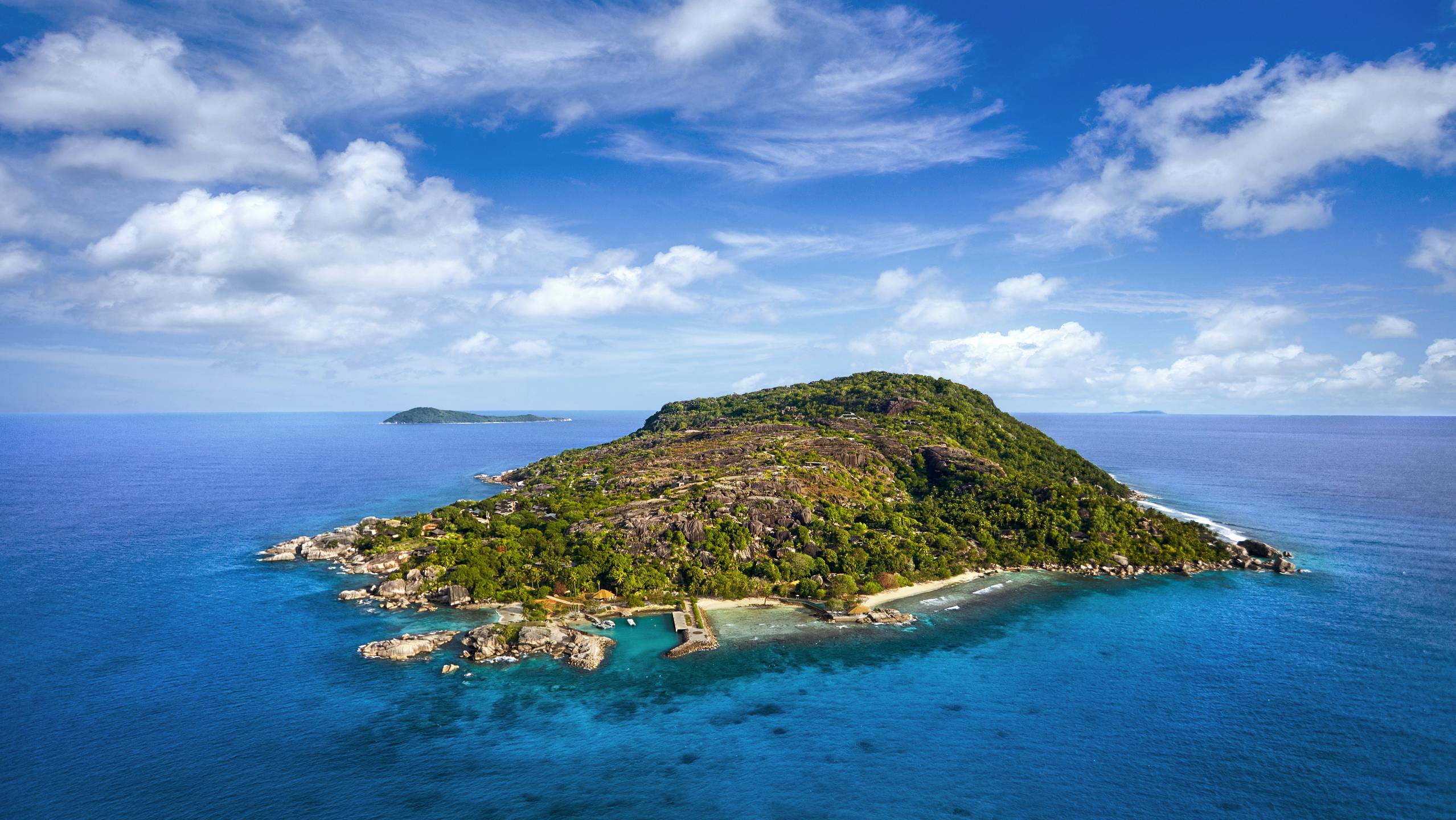
Seychelles offers fewer overwater resorts than Maldives or Bora Bora, but those that exist embrace eco-luxury and dramatic landscapes. The granite rock formations, rainforest-covered islands, and marine diversity appeal to travelers who want luxury with a wildlife and nature focus.
Fiji blends cultural immersion with overwater living. Resorts here integrate Fijian traditions, dances, culinary practices, and ceremonies. The lagoons are home to colorful reefs, and the pace of life encourages slow travel.
The Philippines and Indonesia represent emerging frontiers. Both nations contain thousands of islands across vast archipelagos. Overwater resorts in Palawan, Raja Ampat, and Sulawesi offer exceptional diving and nature immersion without heavy commercialization.
The Caribbean has recently adopted the concept as well. Jamaica, St. Lucia, Antigua, Aruba, and Belize now host luxury overwater villas that cater to North American travelers seeking shorter flights than the Indian or Pacific Oceans.
Thailand offers overwater bungalows primarily in remote or eco-oriented regions like Koh Kood and Phang Nga Bay. These properties blend Thai design with lagoon environments.
Even the Arabian Gulf has entered the space, with resorts in Dubai and Qatar offering modern overwater villas designed for year-round sunshine and private pools rather than reef access.
Each destination shapes the atmosphere: Maldives emphasizes barefoot luxury, Bora Bora emphasizes romance, Seychelles emphasizes nature, Fiji emphasizes culture, and the Caribbean emphasizes accessibility.
Iconic Overwater Bungalow Resorts
Several resorts have defined and popularized overwater luxury through architecture, service, and lagoon setting.
Four Seasons Bora Bora remains one of the most iconic. Its overwater suites face Mount Otemanu, and the resort blends Polynesian culture with five-star hospitality. Guests can snorkel alongside rays and reef sharks in protected lagoons, while enjoying private decks, plunge pools, and open-air showers.
St. Regis Bora Bora offers similarly cinematic views, with villa decks large enough for private dining, sunbathing, or simple contemplation. The St. Regis butler service model enhances personalization and romance.
Soneva Jani in the Maldives has become a social media phenomenon due to its retractable bedroom ceilings, lagoon hammocks, and water slides into the ocean. Its overwater villas are among the largest in the world, blending sustainability with whimsical luxury.
Gili Lankanfushi in the Maldives embraces the barefoot philosophy. Guests are encouraged to walk without shoes, marine biology is integrated into the guest experience, and villas are constructed from natural materials that age gracefully over time.
Conrad Maldives Rangali Island is known for pioneering experiences including underwater dining and residences. Its overwater structures blend marine immersion with modern indulgence.
Six Senses Laamu in the Maldives attracts eco-luxury travelers with a strong sustainability focus, world-class diving, and wellness programs. Villas incorporate natural materials and face either sunrise or sunset for tailored atmospheres.
Likuliku Lagoon Resort in Fiji offers authentic Fijian cultural immersion alongside overwater luxury. Bures face a calm lagoon rich in tropical fish, and traditional carving, dance, and storytelling shape the guest experience.
Sandals Royal Caribbean in Jamaica introduced the Caribbean’s first large-scale overwater villas designed specifically for honeymooners, complete with glass viewing floors and private infinity pools. This expanded the concept to travelers seeking shorter flights.
El Nido Resorts in the Philippines offer eco-sensitive overwater villas surrounded by karst cliffs, lagoons, and hidden beaches, an ideal setting for divers and nature lovers.
Song Saa Private Island in Cambodia brought overwater villas to Southeast Asia with a sustainability-first philosophy. Villas sit above clear waters and coral reefs, and the resort invests heavily in marine conservation and community development.
These properties demonstrate how overwater living is not one-size-fits-all—each resort reflects a different interpretation of luxury, nature, culture, and design.
Design and Architecture of Overwater Bungalows
Engineering and architecture play crucial roles in creating overwater resorts that are both safe and environmentally responsible. Most overwater bungalows are built on stilts anchored into sandy lagoon floors rather than coral beds. This reduces ecological impact and ensures stability. Walkways connect villas to the island and are often elevated to allow tidal flow beneath them, minimizing disruption to marine ecosystems.
Materials vary by region and design vision. In French Polynesia, natural wood, pandanus leaf roofing, and woven bamboo ceilings create traditional tropical aesthetics. In Dubai or the Maldives, architectural styles may use a mix of timber, composite materials, and contemporary glass to integrate modern luxury.
Indoor-outdoor design is essential. Sliding glass doors open to decks, living spaces flow into terraces, and open-air bathrooms allow guests to bathe to the soundtrack of waves. Lighting is intentionally soft to protect night-dwelling marine species and reduce lagoon light pollution.
Ventilation and shading take the place of heavy air-conditioning in eco-resorts, while high-end villas integrate cooling systems discreetly. Construction challenges include ensuring storm resilience, saltwater corrosion resistance, and minimal reef damage.
The design philosophy behind overwater bungalows centers on placing humans within nature rather than separating them from it.
Signature Amenities and Features
Overwater bungalows are known for amenities that elevate sensory experiences. Private plunge pools offer cooling immersion with uninterrupted ocean views. Glass floors allow guests to observe marine life beneath their feet. Sunken loungers, outdoor bathtubs, and netted hammocks suspended above the lagoon create relaxing spaces.
Deck ladders provide direct access to snorkeling, and many bungalows include reef-safe snorkeling equipment. Retractable roofs, found in select Maldives villas, allow stargazing from bed. Butler service, private dining, and floating breakfasts support romance.
Sunrise and sunset orientations influence villa desirability. Sunrise-facing villas offer quiet mornings and cooler afternoons, while sunset-facing villas offer dramatic evening color displays and golden-hour photography.
All these features transform the villa into a sanctuary rather than a place to sleep.
Experiences Enabled by Overwater Bungalows
Staying over the water creates opportunities that traditional beachfront resorts cannot easily replicate. Guests can snorkel with colorful fish, rays, and reef sharks without joining crowded boat tours. Paddleboarding and kayaking across calm lagoons offer meditative exploration. Sunset cruises allow guests to chase orange horizons, while marine biologists help guests learn about coral ecosystems.
Dining becomes experiential, whether through private villa service, overwater restaurants, or sandbank picnics. Stargazing platforms reveal southern hemisphere constellations in places like Maldives or Bora Bora, far from city light pollution.
These experiences create a sense of adventure that aligns perfectly with relaxation.
Overwater Bungalows for Honeymoons
Honeymoon travel has helped popularize overwater bungalows more than any other segment. The privacy, the lagoon views, and the novelty make couples feel as though they are living inside a postcard. Floating breakfasts, candlelit dinners, private plunge pools, outdoor baths, and quiet nights under the stars create emotional memories.
Adults-only overwater resorts in Maldives, Bora Bora, and the Caribbean specialize in romance with curated itineraries, spa journeys for two, and high-touch service. For many newlyweds, an overwater bungalow represents the ultimate beginning to married life.
Family-Friendly and Group Travel
Although overwater bungalows are often marketed to couples, a growing number of resorts are designing multi-bedroom overwater residences for families and groups. These villas include living rooms, indoor dining, safety railings, and shallow lagoon zones. Educational programs help children learn about coral reefs and marine ecology, turning the lagoon into a classroom.
This shift reflects a larger trend in luxury travel where families seek meaningful experiences instead of conventional vacations.
Sustainability and Environmental Considerations
The popularity of overwater bungalows has increased scrutiny over their environmental impact. Many modern resorts use environmental assessments, reef mapping, and responsible construction techniques to preserve habitats. Wastewater treatment, renewable energy, and coral nurseries support reef health. Marine scientists collaborate with resorts to monitor ecosystems, educate guests, and rehabilitate damaged coral zones.
Reef-safe sunscreen, limited night lighting, and sustainable seafood programs help protect biodiversity. Guests are increasingly choosing eco-conscious resorts, making sustainability a competitive advantage rather than a niche.
Pricing and Value Considerations
Overwater bungalows are premium accommodations, and pricing reflects factors such as location, season, villa size, pool features, and transfer logistics. Maldives villas fluctuate based on dry and wet seasons, while Bora Bora pricing rises sharply during high-demand honeymoon periods. Some Caribbean overwater villas command premium prices due to limited supply and ease of access for North American travelers.
While costly, the value proposition lies in exclusivity, privacy, marine immersion, and the once-in-a-lifetime quality of the experience. Guests are not paying only for lodging—they are paying for sensory memories, emotional milestones, and bucket-list achievements.
How to Choose the Right Overwater Bungalow
Choosing wisely ensures the experience aligns with personal travel style. Destination determines water clarity, marine life, and cultural atmosphere. Maldives offers the clearest lagoons and densest bungalow selection. Bora Bora offers volcanic drama. The Caribbean offers accessibility. Fiji offers culture. Seychelles offers wilderness.
Orientation matters. Sunset-facing villas create golden evenings, while sunrise-facing villas offer peaceful mornings. Private pools provide thermal comfort, while glass floors enable underwater viewing. Families prefer shallow lagoons; couples may prefer deeper water for snorkeling. Transfer time influences convenience; some villas require seaplanes, others a short boat ride.
Understanding these variables helps travelers select the perfect match.
The Future of Overwater Bungalow Travel
The future of overwater bungalows will merge design innovation, sustainability, and technology. Underwater suites already exist in Maldives and Dubai, offering surreal marine immersion. Floating eco-resorts are emerging as climate-responsive architecture. Carbon-positive resorts will outcompete carbon-neutral models. AI personalization may tailor wellness, dining, and activity schedules to individual preferences.
As coral preservation becomes a priority, regenerative tourism—where guests actively support ecosystem restoration—will become part of luxury travel identity. The overwater bungalow of the future will not only connect guests to nature but protect it.
Frequently Asked Questions
What is an overwater bungalow?
An overwater bungalow is a villa built on stilts above a lagoon or reef, offering direct water access, panoramic views, and a blend of indoor-outdoor living.
How much do overwater bungalows cost?
Pricing varies widely by region and season. Maldives and Bora Bora tend to be premium destinations, while Southeast Asian or Caribbean villas may be more accessible. Prices reflect exclusivity, marine environment, and villa features.
Are overwater bungalows good for honeymoons?
Yes. Overwater villas are highly popular for honeymoons due to their privacy, romantic atmosphere, and unique sensory experience.
Are there overwater bungalows in the Caribbean?
Yes. Jamaica, St. Lucia, Antigua, Aruba, and Belize offer Caribbean overwater villas, appealing to travelers seeking shorter flights from North America.
Are overwater villas safe?
Modern overwater bungalows are engineered for safety, with secure construction, cyclone-resistant materials in some regions, and lagoon access designed for swimming. Families often choose shallow-lagoon villas for safety.
What month is best to visit?
The best months depend on destination. Maldives and Bora Bora peak from May to October, while Caribbean travel peaks from December to April. Weather, pricing, and water conditions vary seasonally.
Can families stay in overwater bungalows?
Yes. Many resorts now offer multi-bedroom overwater villas with child-friendly amenities, shallow lagoon zones, and educational marine programs.