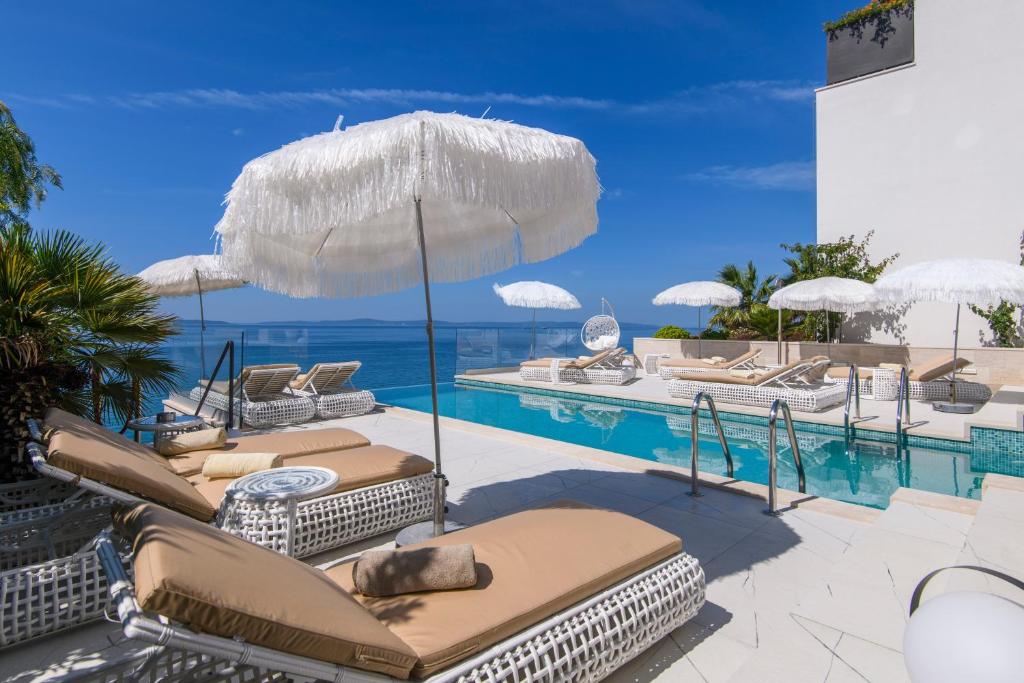
Luxury suites represent the highest expression of comfort, privacy, and refined living in the hospitality world. For many travelers, booking a suite is not simply about having more space—it is about enjoying a premium lifestyle where thoughtful design, personalized service, and elevated amenities come together to create a complete travel experience. Luxury suites are crafted for the kind of guest who values detail, context, and emotional resonance: the honeymoon couple celebrating love in an overwater bungalow, the business leader requiring privacy and discretion, the family seeking space to connect, or the celebrity desiring an environment that feels secure and secluded. No matter the destination, luxury suites signal a commitment to quality that goes well beyond the standard hotel room.
In recent years, the demand for luxury suites has grown substantially. High-net-worth individuals are traveling more frequently, multi-generational family trips are on the rise, and “work-from-anywhere” lifestyles have pushed travelers to seek out more comfortable and functional accommodation. At the same time, hotels and resort brands are investing heavily in suite design, culinary integration, wellness experiences, butler programs, and technology-driven luxury to meet the expectations of discerning guests. As a result, the modern luxury suite has become a microcosm of the destination—combining architecture, service, cuisine, wellness, and landscape into one cohesive and immersive living space.
This guide explores what defines a luxury suite, the different types available around the world, the design philosophies and amenities that elevate them, and the global destinations where these suites shine. It also takes a closer look at iconic suites that have shaped the category and the broader trends that will drive the future of luxury suite travel.
What Defines a Luxury Suite
The primary distinction between a standard hotel room and a luxury suite lies not just in size, but in concept. A luxury suite is planned as a living environment rather than a sleeping space. It typically includes a dedicated bedroom separate from the living area, lounge seating, a dining area, often a workspace, and sometimes outdoor terraces, private pools, or designated wellness zones. The spatial configuration is designed to support multiple moods—rest, conversation, dining, working, entertaining, or simply gazing out across a skyline, ocean, or landscape.
Luxury suites are defined by their materials and craftsmanship. Interiors frequently incorporate natural stone, marble, dark woods, organically textured fabrics, artisanal ceramics, and custom furniture created by design studios or architects. Lighting is intentional, with dimmable fixtures, understated illumination, and natural light maximized through panoramic windows or glass walls.
Bathrooms are spa-like rather than utilitarian. Walk-in rainfall showers, deep soaking tubs, heated floors, automated toilets, double vanities, and premium organic toiletries transform everyday routines into wellness rituals. Sleep environments are similarly optimized, featuring high-thread-count sheets, blackout curtains, pillow menus, sound insulation, and climate control systems that ensure restfulness.
Privacy and quietness are integral. Luxury suites are often found on higher floors, private wings, or secluded resort villas designed to eliminate noise and interruptions. They sometimes include security enhancements for VIP guests, including discreet access points or private elevators.
Luxury suites are not simply luxurious because they cost more—they reflect thoughtful hospitality design that considers the guest’s comfort, emotional well-being, and lifestyle.
Types of Luxury Suites Found Around the World
The world of luxury suites is surprisingly diverse, ranging from classical palace suites in Europe to modern glass penthouses in major cities, to overwater sanctuaries in tropical lagoons. Each category appeals to different travelers and travel purposes.
Presidential Suites represent the highest tier in most hotels and are designed for heads of state, diplomats, celebrities, and high-ranking executives. They include dining rooms, libraries, staff quarters, security features, conference areas, and panoramic views. Their design language often blends heritage with modern comforts, offering environments suitable for both official meetings and informal relaxation.
Royal Suites are similar to presidential suites but often integrate more classical design and European influences. These suites are associated with palaces, historical hotels, and heritage brands, featuring ornate décor, chandeliers, parquet flooring, and antique furnishings. They evoke grandeur and cultural sophistication.
Penthouse Suites dominate major urban capitals like New York, Dubai, London, Hong Kong, and Los Angeles. These suites often occupy the top floors of skyscrapers, offering skyline or ocean views framed by floor-to-ceiling windows. Penthouse suites are tailored for modern luxury—clean lines, open-plan layouts, expansive terraces, rooftop pools, and private bars or kitchens.
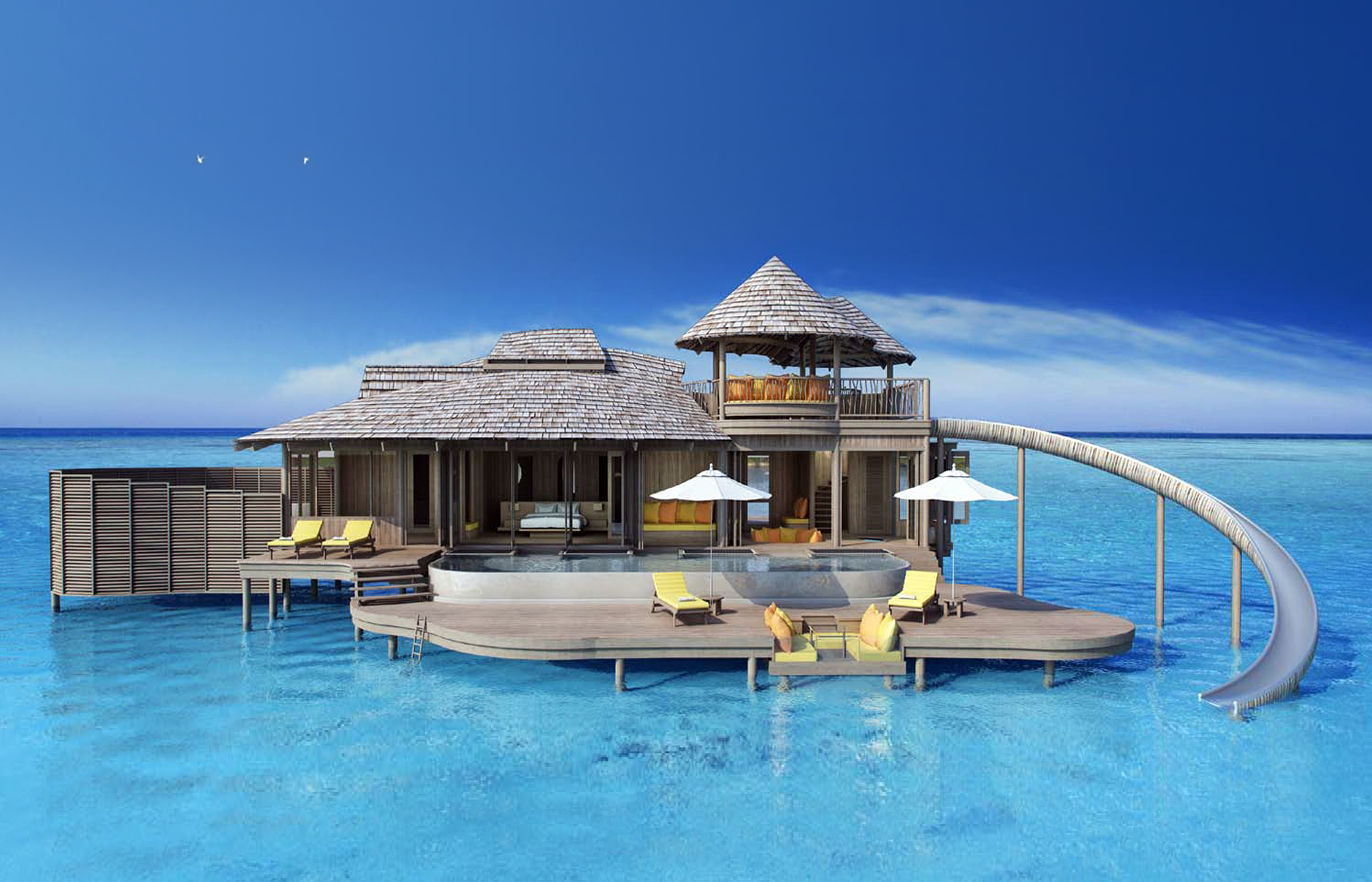
Overwater Suites are exclusive to tropical destinations such as the Maldives, Bora Bora, Tahiti, and the Seychelles. Built above turquoise lagoons, they offer direct ocean access, glass floors for marine viewing, private pools, outdoor showers, and panoramic horizon views. Honeymooners and wellness travelers gravitate toward overwater accommodations for their romantic seclusion and natural beauty.
Sky Suites and Skyline Suites are designed for guests who want dramatic views in high-rise cities. They combine minimalist or modern Japanese-influenced décor with smart technology, oversized windows, and elegant spatial zoning.
Garden and Pool Villas serve as suite-style accommodations for resort travelers who prefer privacy over height. Located in coastal, tropical, or desert resorts, these suites include private pools, outdoor dining areas, gardens, and in many cases private beach access. They are ideal for families, couples, and wellness-focused guests.
Duplex and Triplex Suites span multiple floors connected by internal staircases. These suites often include upstairs bedrooms and downstairs living areas or rooftop lounges. They are common in fashion-forward cities or beachfront destinations where vertical architecture enhances spatial drama.
Heritage Suites inside palace hotels, riads, monasteries, and colonial mansions showcase cultural craftsmanship and historical detail. Found in cities like Paris, Jaipur, Marrakech, Buenos Aires, and Lisbon, heritage suites appeal to travelers seeking immersion in local history.
Ski Chalet Suites are unique to alpine destinations like Switzerland, France, Austria, Japan, and Colorado. They combine rustic wood architecture with fireplaces, private spas, heated terraces, and mountain views. Ski suites provide ski-in/ski-out access in winter and scenic hiking access in summer.
Executive Suites cater to business travelers who require meeting spaces, workstations, dining tables, and additional privacy for hosting. They balance comfort, functionality, and sophistication, often located in major business districts.
Family Suites provide multiple bedrooms, kitchenette areas, kids’ amenities, and additional living space. These suites are not defined by opulence but by spaciousness and convenience, making them ideal for multi-generational trips.
This diversity shows that luxury suites are not one-size-fits-all—they reflect destination, traveler type, architectural style, and cultural context.
Signature Amenities and Features of High-End Suites
Luxury suites integrate features that enhance comfort, wellness, security, and sensory experience. One of the most sought-after amenities is the private pool. Whether perched on a penthouse terrace overlooking a skyline or tucked behind villa walls in Bali, private pools offer intimacy and leisure that shared hotel pools cannot match.
Spa bathrooms are another hallmark. Rain showers evoke tropical rainfall; deep soaking tubs create meditative calm; hammam-style steam rooms enable detoxification; heated toilet seats and bidet systems show Japanese influence; and marble finishes express elegance. Many bathrooms purposely face views such as oceans or mountains, turning bathing into a scenic ritual.
Outdoor spaces are essential to luxury suite design. Terraces, decks, rooftop lounges, daybeds, fire pits, and outdoor dining areas allow guests to enjoy quiet sunrise breakfasts or glamorous sunset cocktails without leaving their suite.
Walk-in closets and dressing rooms add functionality and privacy for extended stays. High-end suites often include custom cabinetry, makeup vanities, and luggage storage.
Kitchen or kitchenette facilities appear in many urban suites, especially penthouses, chalets, and serviced residences. For VIPs, private chefs prepare in-suite meals that rival Michelin dining experiences.
Technology is integrated discreetly. Smart lighting, climate control, automated curtains, wireless audio, digital concierge services, and streaming platforms enhance comfort while minimizing visible clutter.
Luxury suites frequently include libraries, curated art collections, handmade textiles, or custom furniture pieces that tell a story about craftsmanship. In overwater suites, marine life becomes part of the interior aesthetic; in alpine suites, forests and mountains serve as living artwork; in urban penthouses, city lights create cinematic nightscapes.
Combining these elements creates a layered sensory experience that makes every part of the suite feel intentional.
Personalized VIP Services and Private Experiences
While design and architecture define the physical environment of a luxury suite, personalized service elevates it into a true luxury experience. Butler service is one of the most recognized VIP offerings. A private butler manages unpacking, wardrobe care, dining arrangements, spa bookings, and in-suite dining. They act with discretion and anticipate needs.
VIP airport services are common among luxury suite guests. Meet-and-greet services fast-track immigration, private chauffeurs manage transfers, and some hotels coordinate private terminal access for total discretion.
In-suite dining is elevated beyond simple room service. Private chefs may create tasting menus, pair wines, or prepare breakfast using organic or local ingredients. In resort settings, dining may occur on the beach, over the water, or under starlit skies.
Concierge teams curate bespoke itineraries that reflect personal interests—art gallery tours, yacht charters, helicopter transfers, wine tastings, wellness rituals, shopping appointments, or cultural workshops. For the business elite, concierge teams secure exclusive reservations or access to events.
Wellness experiences may include in-suite spa treatments, personal training, yoga instruction, IV vitamin therapy, or meditation coaching. These services are essential for guests who travel frequently and seek restoration.
Security and privacy protocols matter as well. Luxury suite guests include diplomats, CEOs, athletes, and celebrities who require controlled access points, private elevators, reinforced doors, and off-record bookings.
These services redefine luxury as a combination of comfort, efficiency, discretion, and emotional intelligence.
Design and Architectural Philosophies Behind Luxury Suites
Luxury suite design varies by region and cultural influence. In Parisian palace hotels, suites reflect classical European opulence—mouldings, parquet floors, silk drapery, antique furniture, and chandeliers. These suites draw on heritage and artistic lineage.
In Dubai and Abu Dhabi, design embraces modern extravagance with high-rise architecture, marble surfaces, gold accents, oversized spaces, and panoramic views of skylines or oceanfront landscapes. Middle Eastern luxury expresses grandeur and spectacle.
In Tokyo and Kyoto, luxury suites often reflect minimalist Japanese design—wood, stone, paper, and natural textures that encourage tranquility. Tatami spaces, onsen-inspired bathrooms, and Zen gardens showcase cultural purity.
In Bali and Ubud, luxury suites feature open-air architecture, natural materials, infinity pools, and jungle immersion. Design follows eco-conscious philosophies that respect environment and spirituality.
In the Swiss Alps, chalet suites blend rustic wood beams, stone fireplaces, and contemporary glass architecture. Spacious terraces overlook mountains, making nature the focal point.
In California, Miami, and Sydney, beach-inspired suites blend modern minimalism with coastal color palettes. Large terraces, indoor-outdoor flow, and plant-filled spaces support leisure and wellness.
This design diversity makes luxury suites as culturally expressive as they are comfortable.
Global Destinations Famous for Luxury Suites
Certain destinations are synonymous with exceptional suite culture due to their design innovation, natural beauty, or hospitality traditions.
New York is known for penthouse suites with skyline views, rooftop terraces, and art-filled interiors. High-rise towers in Manhattan attract business elites, celebrities, and fashion travelers. These suites combine modern design with urban energy.
Dubai is a leader in oversized royal and presidential suites. High-rise architecture, artificial islands, and desert resorts allow for dramatic spatial creativity. Luxury in Dubai is bold, futuristic, and internationally influenced.
Paris is legendary for palace suites that embody French refinement. Hotels such as Ritz Paris and Hôtel de Crillon represent cultural heritage where craftsmanship and history shape the luxury narrative.
London blends heritage architecture with modern penthouses. Suites attract royalty, diplomats, and financial leaders who appreciate discretion and polished service.
Tokyo and Hong Kong specialize in skyline suites that embrace minimalist luxury. Floor-to-ceiling windows frame urban landscapes, and interiors focus on calmness and precision.
Singapore offers integrated resort suites, marina-view penthouses, and modern Asian luxury that appeals to both business and leisure travelers.
Maldives and Bora Bora are unmatched for overwater villas with private pools, hammocks, and marine life just steps away. These suites are iconic for honeymoons and wellness retreats.
Seychelles and Mauritius provide beachfront suites surrounded by granite boulders, lagoons, and tropical gardens, delivering privacy and exotic scenery.
The Swiss Alps and Aspen offer chalet suites with fireplaces, saunas, whirlpools, and ski-in/ski-out access. These suites attract winter sports travelers and wellness aficionados.
Los Angeles and Miami attract celebrity travelers who choose penthouses with rooftop pools, contemporary design, and proximity to nightlife, beaches, and cultural institutions.
These regional differences reveal how luxury suites are shaped by geography, climate, and culture.
Iconic Luxury Suites That Define Excellence
Some suites have achieved legendary status for their design, exclusivity, or historical significance. The Royal Suite at Burj Al Arab in Dubai, for example, is a duplex masterpiece featuring gold accents, sweeping staircases, rotating beds, and panoramic Arabian Gulf views. It represents the theatrical side of Middle Eastern luxury.
At Ritz Paris, the Imperial Suite is synonymous with French heritage. With antique furnishings, parquet floors, frescoed ceilings, and views of Place Vendôme, it offers a glimpse into aristocratic elegance.
Four Seasons Bora Bora revolutionized honeymoon luxury with its overwater suites. Guests enjoy private decks, plunge pools, and direct lagoon access in an environment that feels otherworldly.
St. Regis New York’s Presidential Suite remains an icon of American luxury, blending classical design with modern comforts suitable for dignitaries, celebrities, and cultural luminaries.
At Mandarin Oriental Tokyo, suites combine minimalist design, Japanese materials, and skyline views. The aesthetic is calming, elegant, and deeply connected to place.
The Peninsula suite in Hong Kong offers Rolls-Royce transfers, harbor views, and a suite layout tailored for VIPs. It reflects the glamorous fusion of British heritage and Asian hospitality.
In Switzerland, Gstaad Palace and The Chedi Andermatt offer chalet suites with fireplaces, timber architecture, and alpine panoramas that celebrate winter luxury.
In the Maldives, One&Only Reethi Rah and Soneva Jani offer private villas that blur the line between suite and residence. Water slides, private beaches, outdoor cinema nights, marine biologists, and wellness concierges elevate the resort experience.
Aman Resorts takes a different approach, creating suites that immerse guests in remote landscapes and heritage architecture. Suites at Aman Venice, for instance, are set inside a Venetian palazzo, while suites at Amangiri blend into desert cliffs in Utah.
These suites are not simply rooms—they are cultural symbols, architectural treasures, and immersive sanctuaries that define luxury hospitality.
Luxury Suites for Honeymoons and Romantic Travel
Luxury suites play a central role in honeymoon travel, where privacy, atmosphere, and intimacy matter. Overwater suites in Maldives and Bora Bora are among the most romantic accommodations in the world. Couples can snorkel from their villa, enjoy floating breakfasts, watch sunsets from private pools, or book spa rituals for two.
Cliffside suites in Santorini overlook caldera sunsets that feel cinematic. Many include plunge pools, cave-style architecture, and candlelit terraces. Suites in Bali offer open-air bathrooms, jungle immersion, and spiritual tranquility ideal for wellness honeymoons.
Adults-only resorts in the Caribbean, Seychelles, and Fiji specialize in romance by combining beach access with private dining experiences, yacht charters, and spa treatments. Privacy allows couples to unwind without distraction.
These suites create emotional memories and sensory experiences that last long after the trip ends.
Luxury Suites for Business and Diplomatic Travel
Business travelers who book luxury suites often require space for meetings, private dining, and confidential discussions. Executive and presidential suites in cities like Washington DC, London, New York, Tokyo, and Singapore include conference tables, secure communication lines, and soundproofing.
Butler service supports wardrobe care and event preparation. Chauffeur services handle airport transfers. Diplomatic guests benefit from private elevators, security infrastructure, and VIP airport handling.
Corporate suites allow guests to blend productivity and comfort, making them indispensable for high-level business travel.
Luxury Suites for Families and Multi-Generational Travel
Family travel has evolved, and luxury suites now cater to multi-bedroom configurations that allow grandparents, parents, and children to stay together comfortably. These suites often include kitchens, dining rooms, laundry access, and kids’ amenities such as games, pool toys, or personalized welcome gifts.
In ski resorts, chalet suites allow families to enjoy winter sports together. In beach destinations, beachfront suites allow families to move between sand, pool, and living space effortlessly. Cruise ships also offer multi-room suites designed for luxury family travel with private balconies, separate bedrooms, and exclusive lounge access.
The flexibility and privacy of suites make them ideal for meaningful family travel.
Pricing and Value of Luxury Suites
The pricing of luxury suites varies widely based on destination, season, and exclusivity. Overwater villas in Maldives may cost thousands of dollars per night, while urban suites fluctuate between corporate conference seasons and holiday periods. Presidential and royal suites can cost tens of thousands per night during peak events.
Guests are not simply paying for space—they are paying for privacy, service, design, views, and curated experiences. For many suite travelers, time is the most valuable commodity, and suites optimize comfort, efficiency, and emotional well-being.
How to Choose the Right Luxury Suite
Selecting the right suite depends on travel purpose. Honeymooners prioritizing romance should seek overwater villas, cliffside suites, or jungle retreats. Business travelers require executive layouts with work zones, secure infrastructure, and city access. Families need multi-bedroom suites with kitchens and private pools. Wellness travelers should seek spa suites with panoramic views and holistic services.
Budget, destination, season, amenities, and service style all influence the decision. Researching suite configuration, design philosophy, and guest reviews ensures the suite aligns with expectations.
The Future of Luxury Suites
The future of luxury suites will integrate sustainability, technology, wellness, and privacy. Underwater suites are emerging in destinations like Maldives and Dubai, offering surreal marine immersion. Floating villas and regenerative eco-suites will expand in regions prioritizing conservation.
Space tourism is on the horizon, with companies exploring luxury suites in orbit or on lunar bases. While futuristic, the concept underscores how luxury travel constantly redefines boundaries.
Artificial intelligence will support personalization—learning guest preferences, adjusting lighting or climate, curating wellness routines, or coordinating logistics. Wellness-focused suites will include circadian lighting, air purification, sound therapy, and restorative sleep systems.
Sustainability will shape materials, construction, and operations. Suites will prioritize renewable energy, local sourcing, and zero-waste practices without compromising beauty or comfort.
Luxury suites will continue evolving as miniature worlds—symbols of how culture, nature, technology, and hospitality intersect to create extraordinary experiences.
Frequently Asked Questions
What is considered a luxury hotel suite?
A luxury hotel suite is a spacious and thoughtfully designed living environment that includes separate sleeping and living areas, premium materials, exclusive amenities, and personalized service. It emphasizes comfort, privacy, and refined living over basic accommodation.
What is the difference between a suite and a room?
A standard hotel room typically consists of a single space with a bed and bathroom. A suite includes multiple zones such as a bedroom, living room, dining area, and sometimes private outdoor space. Suites prioritize space, privacy, and functionality.
How much do luxury suites cost per night?
Prices vary by destination and season. Urban luxury suites may range from several hundred to several thousand dollars per night. Overwater villas and presidential suites can cost tens of thousands during peak seasons or major events.
Do luxury suites include private pools?
Many luxury suites—especially in tropical or resort destinations—include private pools, jacuzzis, or plunge pools. In cities, rooftop or terrace pools are common in penthouse suites.
Who typically books luxury suites?
Luxury suites are booked by honeymooners, business executives, celebrities, diplomats, families, wellness travelers, and high-net-worth individuals seeking privacy, comfort, and elevated service.
What destinations are best for romantic luxury suites?
Maldives, Bora Bora, Seychelles, Bali, Santorini, and the Caribbean offer exceptional romantic suites featuring private pools, ocean access, and secluded dining.
Are luxury suites worth the price?
For travelers who value space, privacy, wellness, and personalized service, luxury suites offer a deeply rewarding experience. The value lies not just in the physical environment but in the emotional and experiential richness of the stay.