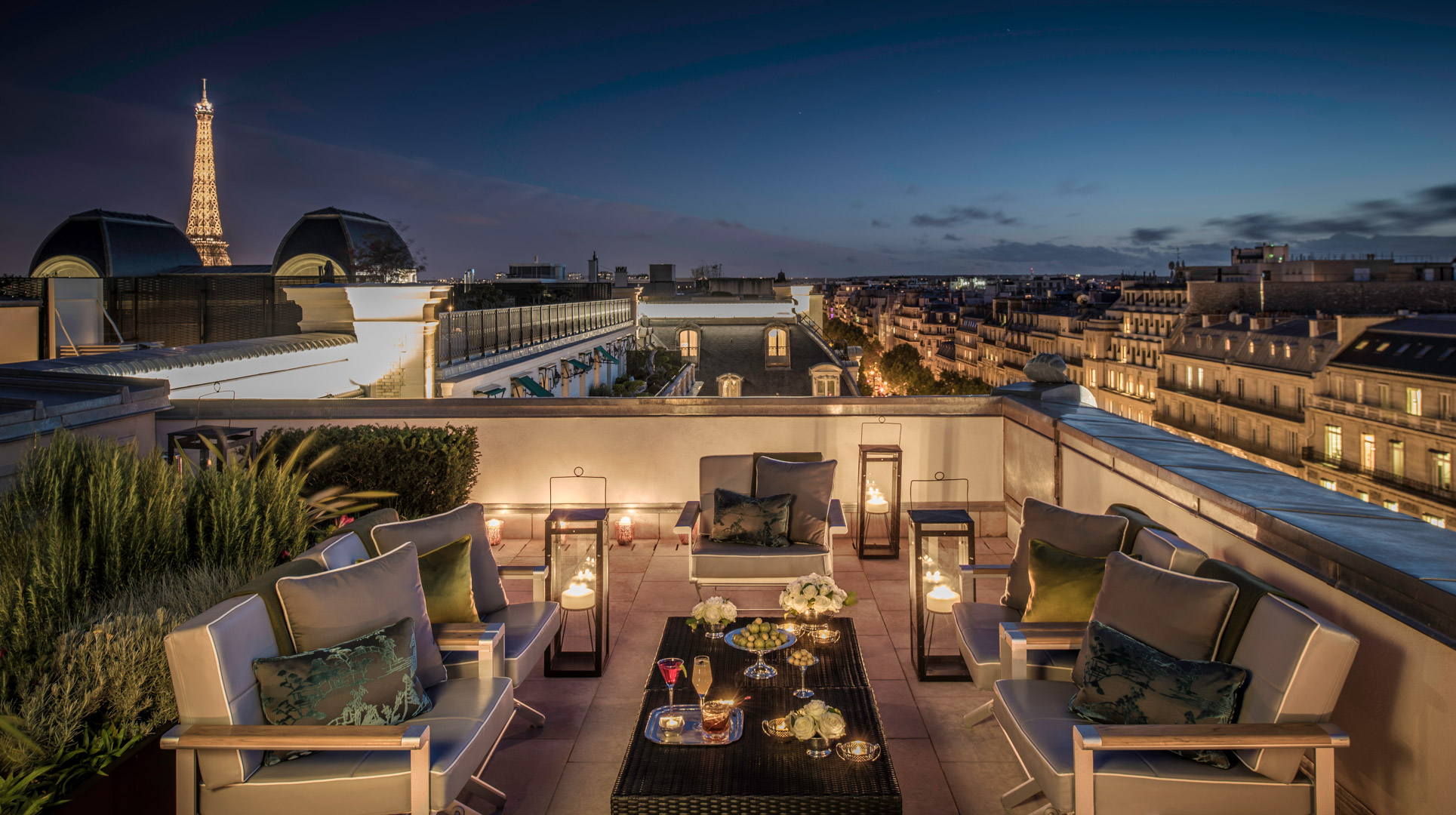
Paris has long been regarded as one of the world’s foremost capitals of luxury travel. The city’s grand boulevards, historic monuments, couture fashion houses, Michelin-starred restaurants, and legendary cultural institutions create a natural setting for world-class hospitality. For travelers who seek refined comfort, personalized service, and elegant surroundings, the luxury hotels of Paris represent the pinnacle of city-based travel. They are more than accommodations; they are immersive expressions of Parisian art, architecture, gastronomy, and style. Whether visiting for romance, business, leisure, fashion, or culture, experiencing a luxury hotel in Paris is an essential part of the journey.
Parisian luxury hotels are famous not only for five-star service but also for their unique heritage. Many are housed in former palaces, aristocratic mansions, or Haussmann-era buildings with ornate details and grand salons. Some hotels hold the rare title of “Palace Hotel,” a prestigious designation awarded by the French Ministry of Tourism to properties that embody exceptional excellence in service, design, history, and atmosphere. Others are boutique gems that reinterpret luxury through modern design, wellness, and contemporary culture. In either case, luxury in Paris is defined by a sense of craftsmanship, elegance, and personality that sets it apart from urban hotels elsewhere in the world.
What Makes Parisian Luxury Hotels Unique
Luxury hotels in Paris distinguish themselves through an interplay of history, architecture, gastronomy, and cultural immersion. The Palace Hotel designation is one expression of this uniqueness. Awarded to only a small number of hotels in France, it signifies an elevated level of excellence that includes refined interiors, heritage architecture, flawless service, and world-class culinary programs. Paris hosts the highest concentration of Palace Hotels in the country, reinforcing its position as a global authority in haute hospitality.
Architecture and interior design play a crucial role in the Parisian luxury experience. Many hotels occupy Haussmannian buildings with high ceilings, wrought-iron balconies, marble fireplaces, and salons adorned with chandeliers, frescoes, and gilded moldings. Others embrace Belle Époque or Art Deco design, creating cinematic interiors that evoke the glamour of the early 20th century. Conversely, several contemporary luxury hotels in Paris introduce minimalist, design-forward spaces that highlight clean lines, natural materials, and modern art, appealing to travelers who prefer a quieter form of luxury.
Parisian luxury hotels also place strong emphasis on haute cuisine. Paris is one of the world’s culinary capitals, and Michelin-starred restaurants are integral to hotel identity. Many hotel restaurants are led by renowned chefs and serve seasonal tasting menus, classic French dishes reinvented with contemporary techniques, and patisserie that showcases the city’s dessert culture. Afternoon tea service, Champagne bars, and historic cocktail lounges further enhance the gastronomic experience.
Service culture in Parisian luxury hotels is refined, discreet, and anticipatory. Butler service, concierge teams, private chauffeurs, and fashion or art concierges cater to individualized needs. Paris Fashion Week, haute couture shows, art fairs, and exhibitions draw guests who rely on hotels to provide access, recommendations, and private bookings. This dynamic relationship between culture and hospitality is one of the city’s signatures.
Types of Luxury Hotels in Paris
Paris hosts a variety of luxury hotel styles suited to different travel preferences. Palace hotels are the most iconic, representing a fusion of grand history and modern comfort. These properties feature stately architecture, opulent suites, Michelin-starred dining, legendary bars, and spas that carry prestigious Parisian beauty brands. They attract honeymooners, fashion industry guests, business executives, and travelers celebrating milestone moments.
Boutique luxury hotels offer intimacy and individuality. Often smaller in scale, they prioritize design, culture, and personal service. Boutique properties appeal to travelers who want privacy, character, and neighborhood immersion rather than grand scale.
Contemporary luxury hotels are defined by minimalist decor, modern art, advanced technology, and strong wellness programs. They attract younger luxury travelers, business guests, and design enthusiasts who value sleek aesthetics and functional sophistication.
Finally, luxury serviced apartments and residences cater to long-stay travelers, families, celebrities, and corporate guests who need space, kitchens, and privacy. These accommodations offer concierge services, wellness amenities, and in-room dining, blending residential comfort with hotel-level support.
Best Neighborhoods in Paris for Luxury Stays
Paris is a city of distinct neighborhoods, each with its own personality and advantages for luxury travelers.
The 1st and 2nd Arrondissements sit at the historic core near the Louvre, Palais Royal, Tuileries Garden, and Place Vendôme. These districts are ideal for art and culture travelers, as well as guests who want to walk to museums, luxury boutiques, and heritage landmarks.
The 8th Arrondissement surrounds the Champs-Élysées, Arc de Triomphe, and Triangle d’Or. This district is home to luxury shopping, grand hotels, and prestigious restaurants. It appeals to business travelers, fashion enthusiasts, and guests seeking cosmopolitan energy.
The 6th Arrondissement, centered around Saint-Germain-des-Prés, offers literary history, art galleries, cafes, and boutique shopping. It has a Left Bank charm that appeals to cultural travelers, academics, and guests who prefer artistic atmosphere over grand boulevards.
The 7th Arrondissement, home to the Eiffel Tower, Les Invalides, and world-class museums, offers quiet residential streets, embassies, and elegant hotels. It suits families, romantic travelers, and guests seeking scenic walks and refined settings.
The 16th Arrondissement is known for upscale residential streets, leafy avenues, and privacy. It attracts families, VIPs, and longer-stay travelers who prefer discretion and quiet luxury.
Le Marais combines fashion, art, nightlife, and boutique hotels. It is favored by younger luxury travelers, creatives, and guests who want modern culture, galleries, and concept stores.
Iconic Luxury Hotels in Paris
Several hotels have come to symbolize Parisian luxury due to their history, design, and cultural significance.
Ritz Paris on Place Vendôme is one of the most legendary hotels in the world. Opened in 1898, it has hosted icons ranging from Coco Chanel and Ernest Hemingway to royalty and Hollywood stars. Its suites are furnished in classic 18th-century style with silk drapery, antique furniture, and marble bathrooms. The hotel’s bar, galleries, and patisserie reflect timeless French elegance.
Hôtel de Crillon, A Rosewood Hotel, overlooks Place de la Concorde and occupies a historic 18th-century palace. Its interiors blend neoclassical architecture with contemporary touches, while suites offer balconies with views of the Eiffel Tower or Concorde. The hotel is renowned for its haute cuisine, masterful renovation, and rich heritage.
Four Seasons Hotel George V is located just off the Champs-Élysées and is famous for its floral installations, palace status, and three Michelin-starred dining venues. Suites feature Parisian-chic decor, while service is discreet and impeccable.
Le Bristol Paris, part of the Oetker Collection, is a Palace Hotel beloved for its Art Deco elegance, courtyard garden, rooftop pool, and triple Michelin-starred restaurant. Le Bristol balances family-friendliness with classic luxury, making it unique among palace hotels.
Shangri-La Paris blends French heritage with Asian hospitality. Housed in a former royal residence near the Trocadéro, it offers Eiffel Tower view suites, refined dining, and palace-level service with an intimate feel.
The Peninsula Paris stands in the 16th Arrondissement and offers spacious rooms, cutting-edge technology, and a dramatic rooftop restaurant with panoramic city views. Its interiors emphasize modern luxury within a historic building.
Mandarin Oriental Paris brings contemporary design to the 1st Arrondissement. Its courtyard garden, spa, and Michelin-starred dining make it a favorite for wellness and fashion travelers.
Le Meurice, opposite the Tuileries Garden, is known for its artistic heritage. It has hosted Salvador Dalí and continues to collaborate with contemporary artists. Its design mixes 18th-century opulence with modern flair.
Cheval Blanc Paris represents modern Parisian luxury at the highest level. Located along the Seine near Pont Neuf, it combines contemporary design, a Dior spa, and suites with river terrace views.
Hôtel Lutetia on the Left Bank blends Belle Époque grandeur with Art Deco style. It is one of the few luxury hotels on that side of the Seine, appealing to guests who prefer cultural immersion over tourist hubs.
Suites, Penthouses & Accommodation Styles
Luxury hotels in Paris offer suites and penthouses that reflect both heritage and modern comfort. Eiffel Tower view suites are among the most sought-after, offering balconies and windows framing one of the world’s most recognizable landmarks. Other suites emphasize Haussmann-era design with parquet floors, marble fireplaces, and salons adorned with period details.
Penthouse suites often include terraces, private dining rooms, dressing areas, and spa-style bathrooms. High-end amenities include marble soaking tubs, rainfall showers, heated floors, premium linens, curated art, and soundproofing to create serene sanctuaries in the heart of the city. Butler service, private chefs, and in-suite spa treatments cater to VIP guests and families needing discretion.
Dining & Culinary Experiences in Parisian Luxury Hotels
Gastronomy is central to luxury hospitality in Paris. Many hotels host Michelin-starred restaurants led by renowned chefs. French haute cuisine is elevated through seasonal ingredients, technical mastery, and artistic presentation. Menus often feature classics such as foie gras, truffle dishes, seafood, and elaborate desserts crafted in-house by pastry teams.
Afternoon tea and Champagne bars provide elegant social settings. Wine cellars curated by expert sommeliers showcase Bordeaux, Burgundy, Champagne, and global vintages. Cocktail lounges, often set in historic bars with wood paneling and heritage décor, attract both locals and guests.
Patisserie culture is also integral. In hotels like the Ritz, pastry chefs produce macarons, mille-feuille, and chocolates that pay homage to French dessert traditions. Guests can enjoy gourmet breakfasts that include viennoiserie, fresh fruit, artisanal yogurt, smoked salmon, and expertly brewed coffee.
Spa, Wellness & Parisian Beauty Culture
Parisian luxury hotels elevate wellness through spas that highlight both modern and traditional beauty philosophies. Pools, hammams, saunas, jacuzzis, and sensory showers support relaxation after long days of cultural exploration. Many spas partner with haute beauty brands such as Dior, Guerlain, Sisley, La Mer, or Biologique Recherche, offering treatments rooted in French dermatology and aesthetics.
Personal training, yoga sessions, Pilates, and stretching classes are available for business travelers who want balance during fast-paced schedules. Anti-aging facials, lymphatic drainage, cryotherapy, and sculpting massages reflect Paris’s position as a global center for beauty and cosmetic innovation.
Luxury Experiences Offered by Hotels
Luxury hotels in Paris extend their services beyond suites and dining. Guests may arrange private Seine cruises, chauffeur-driven tours, or skip-the-line museum visits. Fashion insiders use hotel concierges to secure access to Paris Fashion Week, couture salons, and private ateliers. Personal shoppers accompany guests to Avenue Montaigne, Rue Saint-Honoré, and Le Marais for curated wardrobe consultations.
Culinary enthusiasts can join cooking classes or pastry workshops led by hotel chefs. Opera and theater lovers receive ticketing support for Palais Garnier, Opéra Bastille, and other venues. Perfume ateliers allow guests to create custom fragrances inspired by Parisian heritage. These experiences transform hotels into gateways to the city’s artistic, cultural, and gastronomic life.
Who Parisian Luxury Hotels Are For
Luxury hotels in Paris cater to a diverse array of travelers. Honeymooners come for romance, iconic views, and candlelit dining. Business travelers rely on seamless connectivity, meeting spaces, and effortless service. Fashion industry professionals arrive for runway shows, showroom appointments, and couture fittings. Food and wine travelers come to experience Michelin dining and historic culinary traditions. Families appreciate multi-room suites, pools, and cultural access. Art and history travelers value proximity to museums, gardens, and historic streets. Parisian luxury hotels are versatile, making them suitable for both celebration and productivity.
Pricing & Value Considerations
Pricing at luxury hotels in Paris varies based on neighborhood, suite category, brand prestige, and season. Palace hotels and properties around Place Vendôme, Champs-Élysées, and the Eiffel Tower command some of the highest rates. Fashion Week, summer, and holiday periods see peak pricing. Boutique hotels may offer better value without compromising style or service. While rooms in Paris are often smaller than those in Dubai or Asia, value is found in service quality, history, location, and cultural immersion rather than in square footage.
Frequently Asked Questions
What is a “Palace Hotel” in Paris?
A Palace Hotel is a French distinction awarded to five-star hotels that demonstrate exceptional quality in architecture, service, dining, and cultural significance. Only a limited number of hotels in Paris hold this title.
Where are the best luxury hotels located in Paris?
Top districts include the 1st, 6th, 7th, and 8th Arrondissements, offering proximity to museums, fashion avenues, landmarks, and fine dining.
Which Paris luxury hotels have Eiffel Tower views?
Hotels in the 7th and 16th Arrondissements, as well as select properties in the 8th and 1st Arrondissements, offer suites with direct Eiffel Tower views.
Are Paris luxury hotels good for families?
Yes. Many offer multi-bedroom suites, kids’ programs, pools, and concierge services tailored to families.
How expensive are luxury hotels in Paris?
Rates vary widely based on district and season, but palace hotels and iconic brands command premium pricing, especially during peak travel periods.
What is the best time to visit Paris?
Spring and early autumn offer ideal weather and cultural events, while winter attracts holiday travelers and fashion guests.