The world of 5-star hospitality is synonymous with refinement, comfort, and cultural sophistication. From Parisian palace hotels and sky-high penthouse suites in New York to overwater villas in Bora Bora and desert palaces in the Middle East, 5-star hotels have evolved into architectural icons and experiential sanctuaries for travelers who want more than just a room. These hotels represent the peak of service standards, culinary mastery, wellness innovation, and design excellence. They define how we experience cities, beaches, mountains, and islands—and they often become the highlight of the trip itself.
As global tourism continues to expand, the demand for high-end hospitality has grown dramatically. Luxury travelers today are well-informed, experience-driven, and culturally curious. They expect seamless check-ins, bespoke concierge guidance, Michelin-level dining, curated wellness programs, and suites that feel like private residences. The best 5-star hotels are not merely accommodations—they are destinations, trusted brands, and cultural landmarks.
Before diving into the global destinations and iconic properties that define this category, it is essential to understand what truly qualifies a hotel as 5-star and how these elite properties differ from general luxury hotels.
Understanding the 5-Star Hospitality Standard
A true 5-star hotel meets precise international standards that encompass everything from architecture to bathroom amenities to service protocols. Tourism boards, hospitality institutions, and independent accreditation platforms evaluate these standards using extensive checklists and professional inspections. While rating systems vary slightly across continents, the core criteria remain consistent: exceptional service, premium facilities, refined dining, advanced technology, wellness offerings, privacy, and personalization.
The guest journey is engineered from arrival to departure. Valet or chauffeured drop-off, luggage assistance, effortless check-in, concierge support, and proactive housekeeping are standard. Rooms and suites must feature high-quality bedding, luxury linens, ergonomic design, premium toiletries, and efficient soundproofing. Bathrooms are spacious, well-lit, and equipped with rainfall showers or soaking tubs, heated towel rails, and high-end toiletries sourced from luxury brands or bespoke local artisans.
Dining is another significant element. Many 5-star hotels maintain award-winning restaurants overseen by Michelin-starred chefs, culinary teams trained in prestigious institutions, or partnerships with celebrity chefs. Mixologists craft signature cocktails using rare spirits, while sommeliers curate wine libraries featuring vintage bottles from acclaimed vineyards. Even room service in a 5-star hotel feels elevated, with plating, temperature control, and fresh ingredients prioritized at all times.
Service remains the true heart of the rating. Staff members are trained to anticipate needs discreetly, personalize experiences, and uphold guest privacy. From butler and concierge assistance to pillow menus and private airport transfers, exceptional service is the non-negotiable factor that differentiates 5-star properties.
How 5-Star Hotels Differ From General Luxury Hotels
Although the terms “luxury hotel” and “5-star hotel” are often used interchangeably, they are not synonymous. A hotel may be luxurious without having formal 5-star accreditation, especially in emerging markets where rating systems are fluid. Conversely, a certified 5-star hotel may not deliver deeply emotional or immersive experiences that modern luxury travelers seek.
Luxury hotels emphasize uniqueness, design philosophy, local storytelling, and experiential depth, while 5-star hotels emphasize standardization, formal ratings, and precision. The finest properties merge both elements, delivering objective excellence (5-star standards) with subjective luxury (atmosphere, soul, locality, and emotional impact). This blend is often found in historic palace hotels, heritage landmarks, boutique wellness escapes, and iconic urban towers.
Global Destinations Known for the Best 5-Star Hotels
Certain destinations have become synonymous with world-class 5-star hospitality due to cultural sophistication, refined architecture, culinary heritage, natural beauty, or business travel ecosystems. These cities and regions collectively shape the blueprint of global luxury travel.
Paris: The Capital of Palace Hotels and Grand Luxury
Paris remains one of the world’s most prestigious destinations for 5-star travel. Its legendary palace hotels combine Belle Époque architecture, Michelin-starred dining, couture culture, and haute French service traditions. Guests experience timeless elegance through gilded ballroom corridors, marble spas, and suites overlooking the Eiffel Tower or the Seine. Concierge teams secure impossible reservations at fashion shows, fine dining institutions, and private museums. The Parisian 5-star model embodies refinement, art, and tradition.
Dubai: The City of Futuristic Ultra-Luxury
Dubai redefines 5-star hospitality with a futuristic flair—sky-high towers, overwater villas, private beach clubs, desert palaces, and gold-accented suites. The city is engineered for scale, spectacle, and glamour. Butler service, chauffeured Rolls-Royces, private helipads, and award-winning culinary programs are common. Wellness and shopping are integrated into the travel experience, blending Middle Eastern hospitality with global extravagance.
London: Heritage Meets Modern Business Luxury
London is home to some of the oldest and most respected 5-star institutions. These hotels excel in refined service, high tea traditions, literary culture, and bespoke tailoring for business travelers. Suites range from Georgian residences to modern penthouses with skyline views. London excels at seamless luxury—discreet, intelligent, and layered with history.
New York: Epicenter of Urban Luxury
New York’s 5-star hotels capture the rhythm of the city—fast, intense, cosmopolitan, and culturally rich. They offer penthouse suites with skyline terraces, Michelin tasting menus, art-driven lobbies, private fitness training, and concierge teams who know the city’s culinary and performing arts scenes intimately. Business travelers value connectivity, while leisure travelers appreciate cultural access and retail proximity.
Singapore: Precision, Efficiency, and Botanical Design
Singapore’s 5-star hotels merge Asian hospitality with botanical architecture, rooftop infinity pools, and high-end gastronomy. They are ideal for travelers who appreciate efficiency without sacrificing luxury. Wellness, sustainability, and cultural immersion are core features. Fine dining thrives here, with numerous Michelin-starred hotel restaurants driving culinary tourism.
Tokyo: Minimalist Elegance and Cultural Depth
Tokyo’s 5-star hotels combine minimalist design, Zen-inspired calm, and hyper-attentive Japanese service culture. Guests enjoy panoramic skyline views, traditional tea ceremonies, omakase dining, and spas rooted in Eastern healing traditions. These hotels prioritize harmony, precision, and respect—ensuring guests feel both honored and comfortable.
Hong Kong: Glamour, Skyline Views, and Culinary Prestige
Hong Kong blends British heritage with Chinese luxury sensibilities. Its 5-star hotels are renowned for skyline views, Michelin-star restaurants, and waterfront suites. Business travel drives much of the demand, but leisure guests appreciate shopping access, harbor ferries, and refined hospitality traditions.
Bali: Wellness, Nature, and Cultural Spirituality
Bali’s 5-star hotels are less about skyscrapers and more about nature-driven design. Open-air villas, jungle spas, infinity pools, and wellness retreats attract travelers seeking rejuvenation. Culinary programs focus on organic produce, plant-based cuisine, and Balinese traditions. Honeymooners and wellness travelers rank Bali among their top choices.
Maldives and French Polynesia: Overwater Dreams
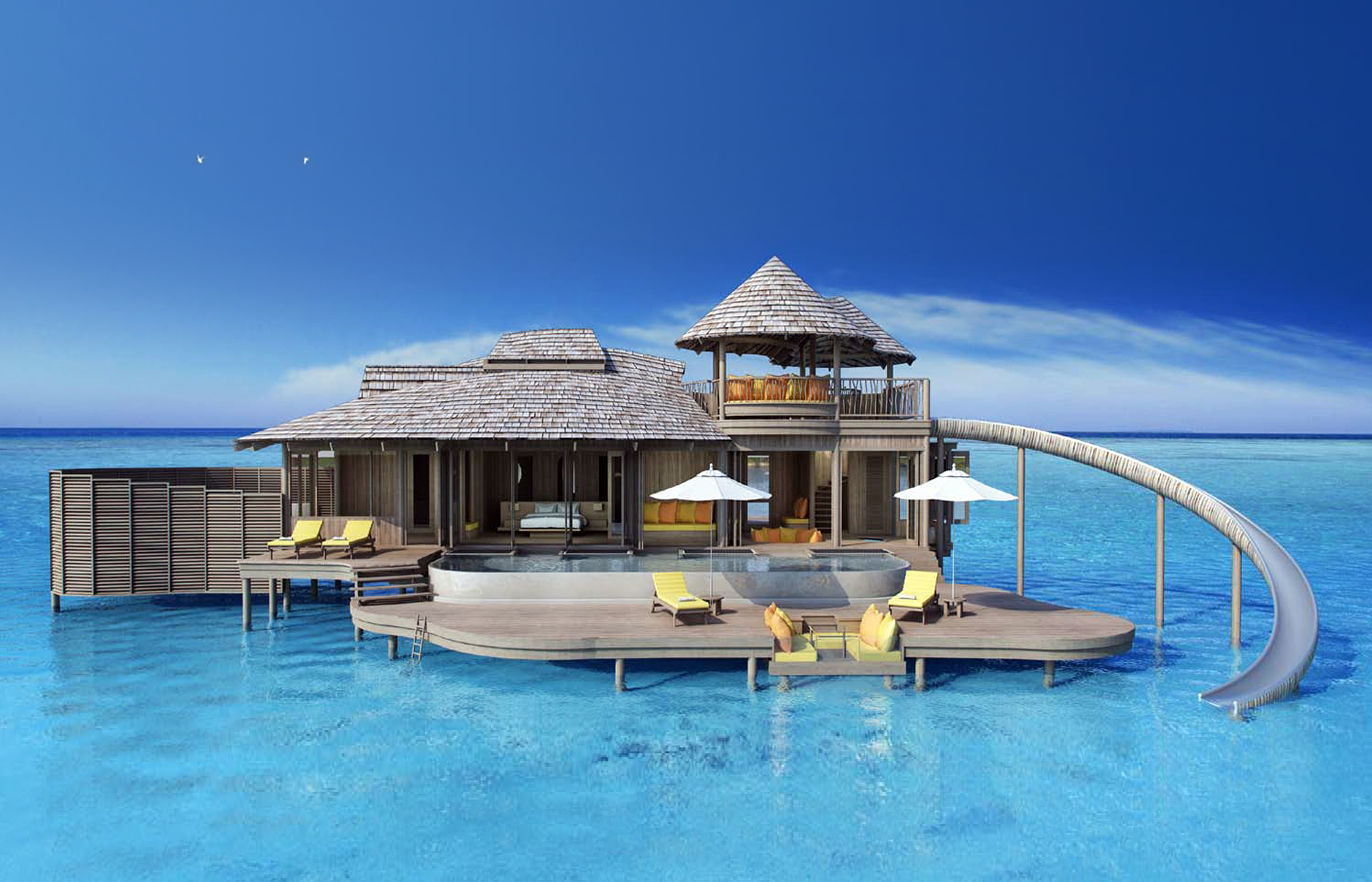
Maldives and French Polynesia offer some of the world’s most recognizable 5-star experiences: overwater bungalows, private island resorts, underwater dining, and butler-serviced villas. These destinations are synonymous with honeymoon travel, spa retreats, and discreet celebrity vacations. Guests revel in privacy, turquoise lagoons, marine wildlife, and wellness programs tailored to relaxation and restoration.
Switzerland: Ski Luxury, Thermal Spas, and Alpine Heritage
The Swiss Alps host some of the world’s finest 5-star ski hotels and alpine retreats. Chalet-style suites, après-ski dining, private ski instructors, thermal baths, and panoramic spas dominate the experience. In winter, destinations like Gstaad, St. Moritz, and Zermatt attract affluent travelers who appreciate exclusivity and mountain culture. Switzerland also excels in medical wellness and longevity clinics, merging healthcare with hospitality.
Cape Town: Nature, Wine, and Urban Refinement
Cape Town offers a unique blend of coastal scenery, wine country luxury, wildlife, art districts, and modern 5-star lodges. Travelers can enjoy Table Mountain views, vineyard tastings, oceanfront suites, and safari extensions within a single itinerary. South Africa’s hospitality culture is warm, attentive, and diverse—creating a distinctive 5-star experience.
Iconic 5-Star Hotels That Define Global Excellence
Certain properties have become symbols of sophistication, setting industry standards through design, service, and heritage.
In Dubai, the sail-shaped Burj Al Arab stands as an emblem of modern excess and architectural ambition. Its duplex suites, private beach club, panoramic sky bars, chauffeured Rolls-Royces, and underwater dining experiences embody theatrical luxury. Guests visit not just for accommodation, but for spectacle and exclusivity.
Paris hosts numerous palace hotels, but The Ritz Paris remains one of the most iconic. Coco Chanel called it home, Hemingway wrote in its bar, and royalty frequents its opulent suites. The hotel blends French refinement, antique furnishings, haute cuisine, and legendary service traditions—making it a symbol of Parisian luxury.
New York’s The Plaza functions as both a cultural reference and a hospitality institution. Overlooking Fifth Avenue and Central Park, it blends history with modernity. Presidential suites, afternoon tea traditions, and concierge access to Broadway and the arts make it ideal for cultural travelers.
Raffles Singapore introduced the world to the concept of colonial grand hotels. Its courtyards, suites, writers’ bars, and heritage architecture attract travelers who value history and storytelling. The Singapore Sling cocktail was famously invented here, adding to its global mystique.
Hotel de Crillon in Paris represents haute French lifestyle at its most exquisite. With centuries of history, handcrafted interiors, and Michelin dining, it symbolizes aristocratic elegance. Service feels intimate yet formal—a balance that few hotels achieve.
Other properties have shaped regional luxury identity. The Peninsula Hong Kong is renowned for its fleet of green Rolls-Royces, rooftop helicopter transfers, afternoon tea rituals, and panoramic suites. Mandarin Oriental Tokyo elevates minimalist calm, blending skyline views with Zen traditions and world-class omakase dining. In French Polynesia, Four Seasons Bora Bora epitomizes overwater paradise with private pools, lagoon views, and snorkeling experiences. Gstaad Palace in Switzerland blends alpine heritage with glamorous ski culture. In the Maldives, One&Only Reethi Rah represents island luxury through private beaches, spa rituals, and holistic wellness.
These properties are not just admired—they are studied, benchmarked, and celebrated across the hospitality industry.
Leading 5-Star Hotel Brands
Certain brands consistently deliver 5-star excellence across continents. Four Seasons Hotels & Resorts is renowned for mastery of balanced luxury—consistent, polished, and emotionally intuitive. The brand combines business utility, wellness offerings, and leisure elegance, appealing to a wide range of high-end travelers.
The Ritz-Carlton blends classical grandeur with refined service. Butler programs, club lounges, and concierge teams deliver sophisticated hospitality rooted in tradition. St. Regis upholds similar values, famous for its butler services, signature rituals, and heritage suites.
Rosewood Hotels & Resorts takes a residential approach with its “Sense of Place” philosophy. Properties integrate local materials, cultural narratives, and lifestyle programs to create immersion rather than uniformity.
Aman Resorts represents ultra-luxury minimalism and remote sanctuaries. With limited rooms, breathtaking architecture, and quiet elegance, Aman attracts travelers who seek privacy, nature, and cultural depth. Peninsula Hotels merges heritage Asian service with modern elegance and transport programs that are admired worldwide.
Mandarin Oriental blends Asian wellness, Michelin gastronomy, and contemporary style. Park Hyatt focuses on design-centric city hotels with premium dining and skyline views. Waldorf Astoria blends glamour with urban prestige.
One&Only Resorts elevates resort and island luxury, while Belmond specializes in heritage travel—trains, rivers, and mansions. Kempinski, Europe’s oldest hotel brand, blends Old World charm with contemporary 5-star elegance.
Each of these brands maintains strict design language, culinary strategies, and service protocols that shape the global definition of 5-star hospitality.
Suites, Villas, and Overwater Experiences
The best 5-star hotels offer suites that feel residential, spacious, and intuitive. Presidential and Royal Suites often feature private dining rooms, libraries, walk-in wardrobes, skyline terraces, spa bathrooms, wine fridges, and in-suite wellness facilities. Penthouse suites in New York, Dubai, Hong Kong, and London provide panoramic terraces, outdoor jacuzzis, and curated art collections.
Overwater experiences in Maldives and French Polynesia redefine escapism. Guests sleep above coral gardens, dine on private decks, and enjoy butler services via boat transfer. Villas with private pools dominate the high-end market in Bali, Thailand, Mauritius, Seychelles, and the Caribbean.
Ski resorts in Switzerland and Colorado offer chalet suites with fireplaces, private chefs, and ski-in/ski-out access. These suites integrate wood, stone, and alpine design with heated floors, steam rooms, and après-ski lounges.
Culinary Excellence at 5-Star Hotels
5-star hotels are now major culinary institutions. Michelin-starred restaurants are standard in cities such as Paris, Tokyo, Singapore, Hong Kong, London, and New York. Celebrity chefs collaborate with hotels to create signature menus, chef’s tables, and tasting experiences.
Wine cellars store rare vintages, while sommeliers curate global lists. Mixologists craft signature cocktails using botanicals, aged spirits, and molecular techniques. Private dining experiences range from in-suite degustations to beach barbecues, sky-terrace tastings, and vineyard picnics.
Room service has evolved into gourmet in-room dining with handcrafted pastries, multi-course plating, and breakfast menus curated by nutritionists.
Spa, Wellness, and Regenerative Travel
Wellness is no longer a facility—it is a travel purpose. The best 5-star hotels integrate thermal spas, nature-based therapies, Ayurveda, TCM (Traditional Chinese Medicine), cryotherapy, hydrotherapy, IV drips, meditation coaching, and sleep optimization programs.
Switzerland leads in medical wellness, merging hospitality with longevity clinics. Thailand excels in holistic wellness and detox retreats. Bali blends spirituality with plant-based gastronomy. Maldives and Seychelles offer spa sanctuaries suspended over water.
Travelers seek transformation rather than indulgence—making wellness a core pillar of modern 5-star hospitality.
Price, Value, and Cost Considerations
Rates for 5-star hotels vary widely. Urban 5-star hotels in major financial capitals typically range in the high hundreds to several thousand dollars per night depending on suite category and season. Island villas, overwater bungalows, and private island suites may cost significantly more, often exceeding five figures for premium categories.
Value lies not only in space but in service, privacy, gastronomy, wellness, sustainability, and emotional experience. Travelers paying for 5-star experiences expect consistency, safety, expertise, and cultural access. For many, the hotel becomes a memory anchor that justifies the price.
Choosing the Best 5-Star Hotel for Your Trip
Selecting a 5-star hotel requires aligning purpose with location and experience. Business travelers often prioritize urban connectivity, concierge assistance, and executive lounges. Honeymooners gravitate toward islands, spa resorts, and villas with private pools. Wellness travelers seek detox programs, spa therapies, and nature immersion. Culinary travelers choose destinations with Michelin restaurants and local gastronomy access.
Considering trip goals, seasonality, suite categories, and cultural fit allows travelers to select 5-star hotels that truly enhance their journey.
Future Trends in 5-Star Hospitality
The future of 5-star hotels blends sustainability, personalization, and advanced hospitality technology. Carbon-neutral resorts, regenerative travel, and eco-architecture are becoming essential. AI-driven concierges, predictive guest profiles, biometric access, and immersive digital rooms support convenience and security.
Space tourism, underwater suites, floating villas, and bio-personalized wellness are already emerging. What will remain constant is the importance of discretion, human warmth, cultural respect, and design integrity—core values that define excellence in hospitality.
Frequently Asked Questions
What qualifies as a 5-star hotel?
A 5-star hotel meets global excellence standards in service, facilities, dining, wellness, design, privacy, and personalization. They uphold strict rating criteria verified by tourism boards and hospitality institutions.
Are 5-star and luxury hotels the same?
Not always. 5-star is a rating standard, while luxury is an experiential concept. The best hotels combine both elements.
Which countries have the best 5-star hotels?
France, UAE, UK, USA, Japan, Singapore, Switzerland, Maldives, and French Polynesia are considered global leaders in 5-star hospitality.
Do 5-star hotels offer Michelin dining?
Many do, especially in major cities. Michelin-starred dining enhances the culinary profile of urban and resort properties.
Is staying at a 5-star hotel worth the price?
For travelers seeking comfort, privacy, culinary excellence, and personalized service, the experience is often considered worthwhile.