All inclusive luxury resorts have changed the way the world thinks about stress-free travel. What was once associated with buffet lines, basic cocktails, and limited activities has evolved into a category of hospitality defined by refined service, culinary excellence, premium accommodation, and curated experiences. At the highest level, these resorts are designed for travelers who want privacy, comfort, and a seamless vacation without constantly budgeting or planning. Everything from gourmet dining and premium wines to wellness programs, guided excursions, and butler service can be included, allowing guests to focus on relaxation and enjoyment rather than logistics.
The appeal of luxury all inclusive travel has grown significantly among honeymooners, families, wellness seekers, and busy professionals who want the convenience of an all-in-one experience without compromising on quality. These resorts thrive in destinations that offer natural beauty and a slow pace of life—beaches, lagoons, islands, jungles, mountains, and even African savannahs. In all these places, the all inclusive luxury model creates a sense of immersion and ease that enhances both the destination and the journey.
What Defines an All Inclusive Luxury Resort
Not all all inclusive resorts qualify as luxury. What sets the luxury segment apart is an elevated standard across every domain: dining, design, service, amenities, and experiences. At an all inclusive luxury resort, guests might dine at multiple gourmet restaurants featuring globally trained chefs, tasting menus, and premium ingredients sourced from local farms and fisheries. Instead of basic pool bars, guests enjoy craft cocktails, curated wine lists, and top-shelf spirits without hidden charges.
Service quality is another differentiator. Many luxury all inclusive resorts offer butler service, concierge planning, and high staff-to-guest ratios that allow for personalization. Rather than generalized check-in processes, guests may be greeted with a glass of Champagne, escorted to their suites, and given a personal orientation of amenities and options.
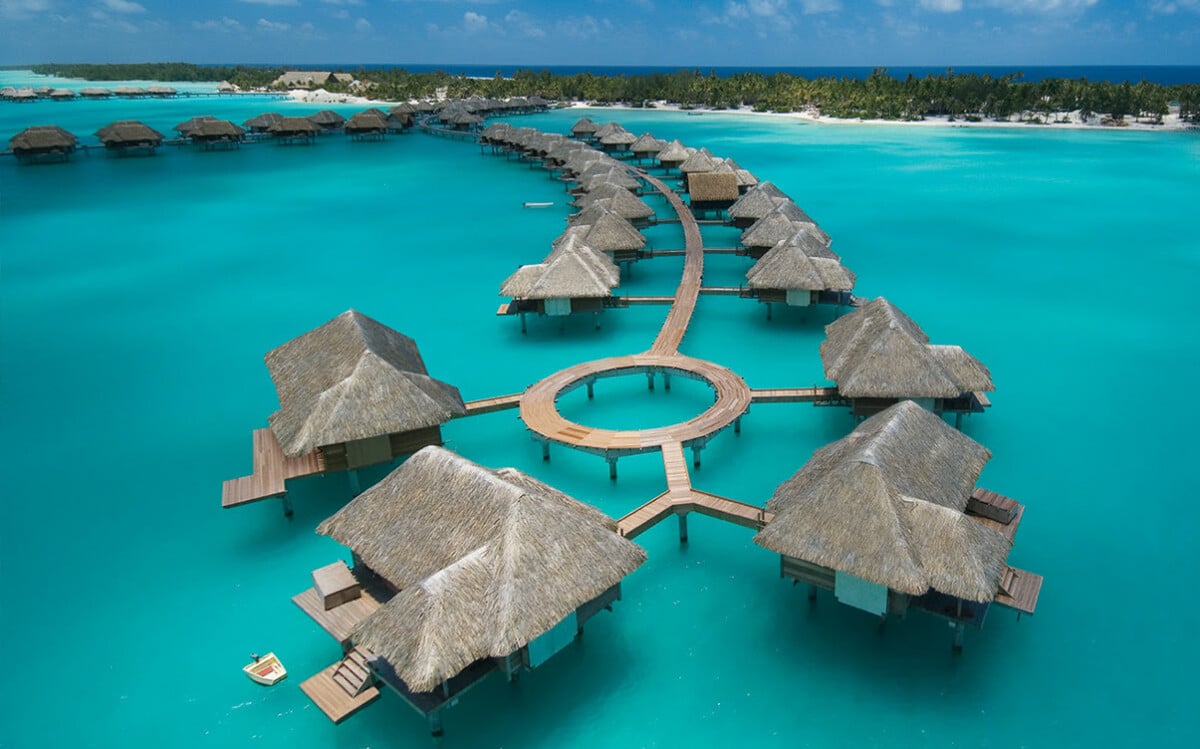
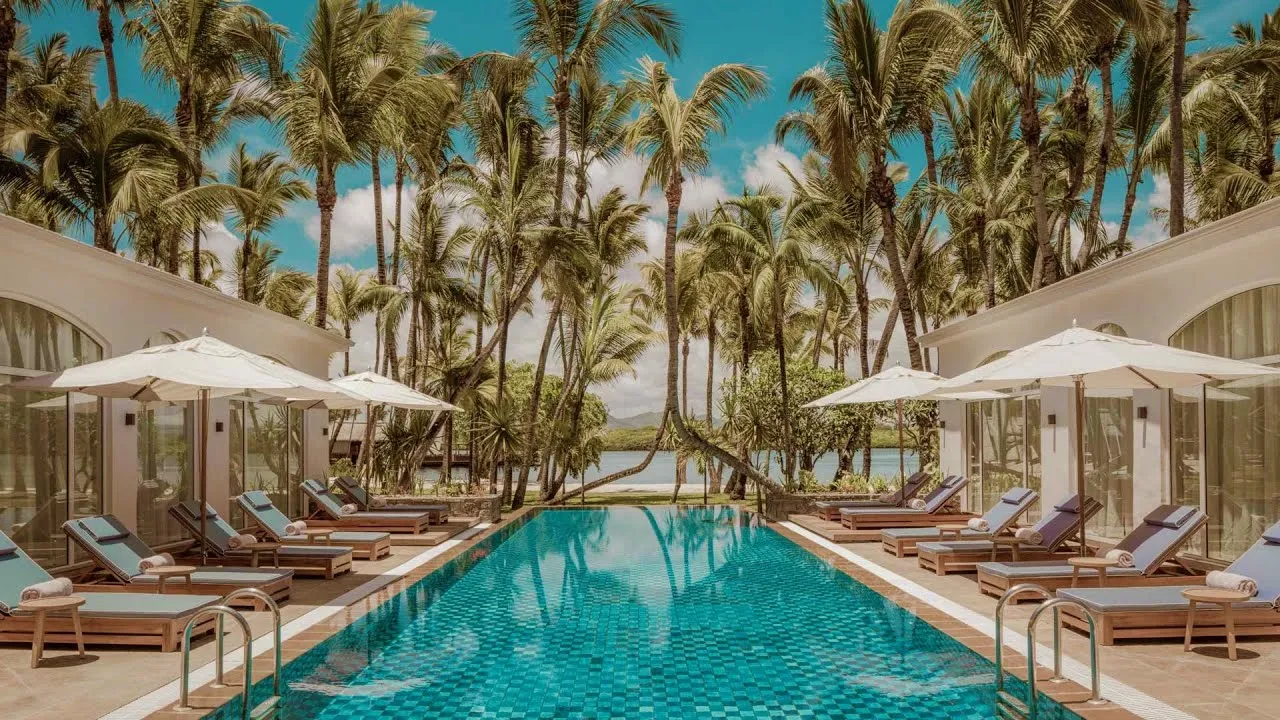
Suites and villas in luxury inclusive resorts are designed for comfort and privacy. Private pools, beachfront terraces, outdoor showers, deep soaking tubs, pillow menus, blackout curtains, and wellness-focused amenities are common. Some luxury all inclusive resorts also offer overwater villas, multi-bedroom residences, and spa suites.
What truly elevates the experience is the absence of budgeting stress. Whether dining at a Michelin-influenced restaurant, booking a sailing trip, or enjoying spa access, guests are not constantly calculating expenses or facing surprise charges. This freedom of mind is one of the largest emotional benefits of luxury all inclusive travel.
Types of All Inclusive Luxury Resorts
Luxury all inclusive resorts do not come in a single form. There are adults-only properties designed for honeymoons and romantic travel, family-friendly resorts that cater to multi-generational groups, boutique properties with as few as ten suites, wellness-inclusive retreats that focus on mind and body, and ultra-luxury island resorts where every detail is curated.
Adults-only luxury inclusive resorts thrive in destinations like St. Lucia, Maldives, and Mexico, where privacy and romance are central. These properties offer quiet pools, private dining, spa programs for couples, and curated activities like sunset cruises.
Family-friendly luxury inclusive resorts take a different approach. They integrate supervised kids’ clubs, teen lounges, cooking classes, cultural workshops, snorkeling excursions, and family villas. These resorts make it easier for parents and grandparents to relax while children engage in safe and enriching programs.
Boutique luxury inclusive resorts offer intimacy and exclusivity. With fewer rooms and personalized service, guests feel more like invited guests than anonymous travelers. This model succeeds in Southeast Asia, Europe, and small Caribbean islands.
Wellness and spa inclusive resorts focus on Ayurveda, yoga, hydrotherapy, detox cuisine, meditation, and restorative treatments. They appeal to travelers seeking stress relief, longevity, and rejuvenation rather than indulgence alone.
There are also safari-style all inclusive luxury lodges in Africa where the inclusive experience covers daily game drives, guided bush walks, gourmet dining, premium beverages, and conservation programming. In this model, the all inclusive element enhances immersion in nature and education.
This diversity makes luxury inclusive travel relevant to different lifestyles, ages, and travel purposes.
Destinations Known for All Inclusive Luxury Resorts
Certain regions of the world have become synonymous with luxury inclusive travel due to their landscapes, culture, and hospitality traditions.
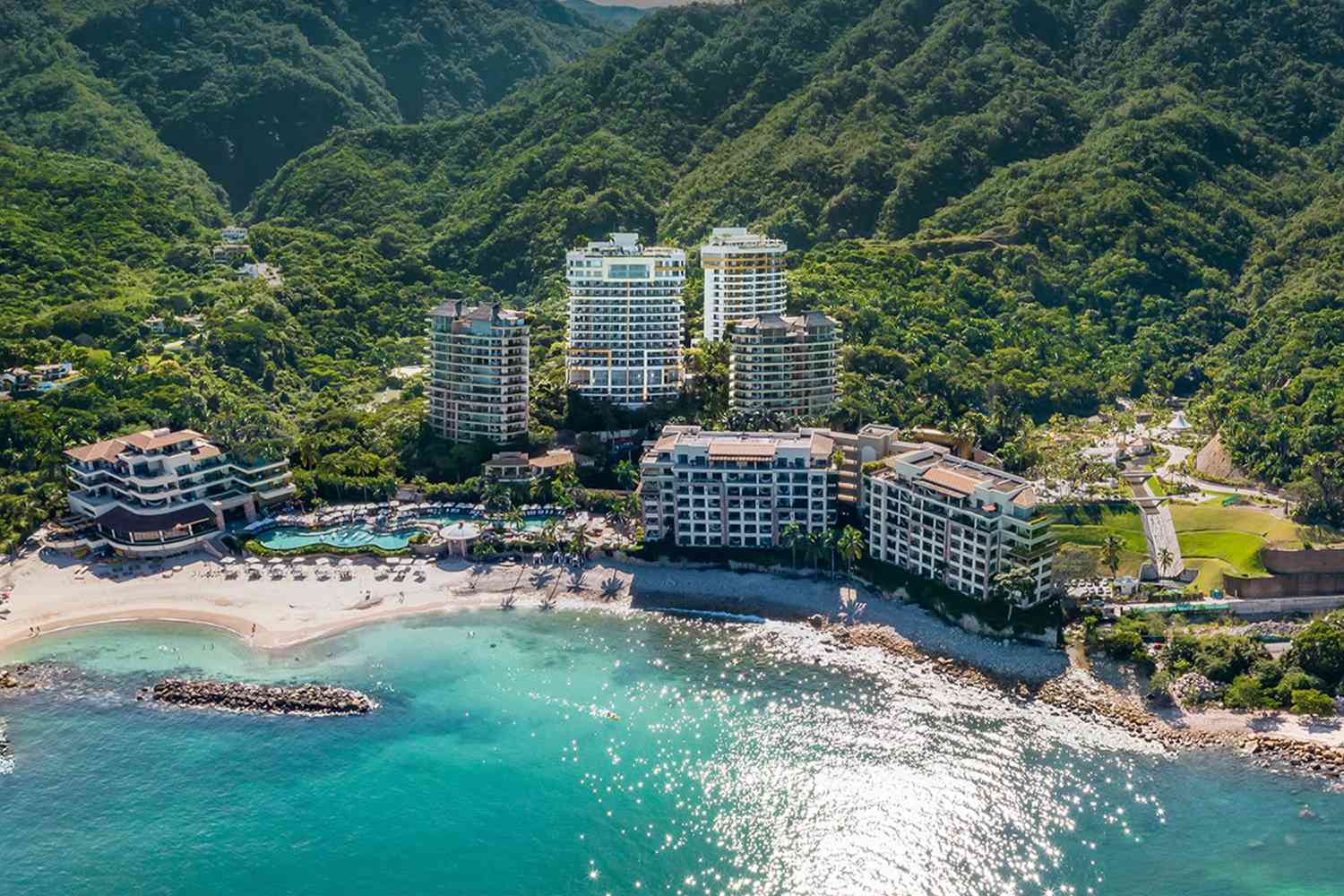
Mexico is a leader, particularly in Riviera Maya, Los Cabos, and Cancun. Resorts here benefit from dramatic coastlines, strong culinary foundations, and accessibility from the U.S. and Canada. Luxury inclusive properties in Mexico often combine spa culture with gastronomy, making them ideal for food-driven travel.
The Caribbean is perhaps the most recognized region for all inclusive luxury resorts. Islands like Antigua, St. Lucia, Barbados, Jamaica, and Turks and Caicos offer turquoise waters, powdery beaches, and a relaxed island rhythm. These resorts appeal to honeymooners, families, and snowbirds escaping winter.
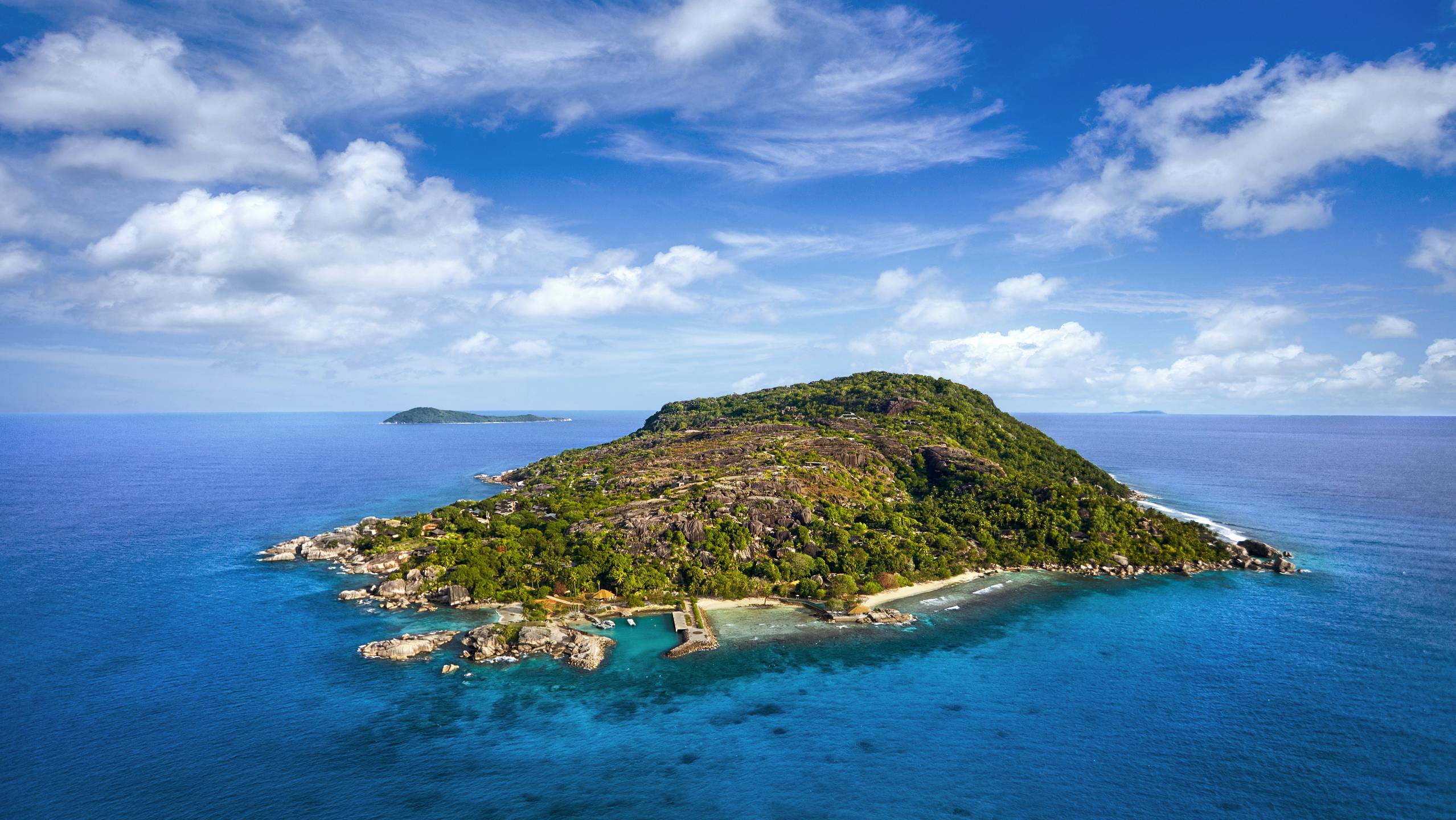
The Maldives has adapted the luxury inclusive model through private island resorts. Although not all Maldivian properties are inclusive, many offer packages that cover dining, premium drinks, snorkeling, diving credits, and spa perks. This model simplifies travel in a remote destination where à la carte dining and activities are expensive.
Fiji and the South Pacific combine all inclusive luxury with cultural immersion. Guests enjoy private beaches, snorkeling with manta rays, cooking classes, traditional ceremonies, and community visits.
Africa offers a different form of luxury inclusive experience through safari lodges in South Africa, Kenya, Tanzania, and Botswana. Here, the all inclusive model covers game drives, conservation education, sundowner cocktails, bush dinners, and luxurious tented accommodations.
Southeast Asia has boutique inclusive resorts, particularly in Bali, Thailand, and Indonesia, where wellness, spa traditions, and holistic cuisine are central to the guest experience.
Each destination offers its own interpretation of luxury and inclusivity, enriching the travel experience.
Iconic All Inclusive Luxury Resorts
A number of luxury inclusive properties have developed global reputations for excellence due to their service, culinary programs, and settings.
Jade Mountain in St. Lucia is one of the Caribbean’s most romantic resorts, with open-wall suites facing the Pitons, private infinity pools, and a refined culinary scene. Its all inclusive model focuses on romance and sensory immersion.
Hermitage Bay in Antigua represents boutique Caribbean luxury with just 30 suites surrounded by tropical hills and a calm bay. Inclusive dining features organic ingredients and refined Caribbean cuisine.
Soneva Fushi and Soneva Jani in the Maldives redefine intelligent barefoot luxury. Their inclusive models integrate marine activities, gourmet dining, wellness programs, and sustainability. Guests arrive barefoot and may spend days snorkeling, cycling through jungle paths, or dining in treetop restaurants.
IKOS Resorts in the Mediterranean pioneered a unique luxury inclusive model in Greece and Spain that emphasizes Michelin-level dining, premium wines, cultural tours, and beachfront living.
Laucala Island in Fiji is an ultra-exclusive private island where the inclusive model covers private villas, golf, diving, horseback riding, gourmet dining, and holistic wellness. Its remoteness adds to its mystique.
Grand Velas Los Cabos in Mexico combines oceanfront luxury with extraordinary dining led by respected chefs. Suites include private terraces, plunge pools, and butler service.
Safari lodges like Singita in South Africa elevate the inclusive concept in a different way. Guests enjoy guided safaris, conservation education, wine tastings, spa treatments, and elegant tented suites that overlook wildlife-filled landscapes.
These resorts show how inclusive luxury can enhance romance, nature, culture, or wellness depending on location and philosophy.
Culinary Excellence and Dining Programs
Gastronomy is one of the major differentiators between standard and luxury inclusive resorts. Instead of buffet lines and repetitive menus, luxury properties employ trained chefs, curate food sourcing, and elevate plating and service. Multi-restaurant dining is common, with cuisines ranging from French to Japanese, Caribbean to Peruvian, and farm-to-table to plant-based.
Premium wines, Champagne, craft cocktails, and aged spirits are often included without hidden surcharges. Sommelier-led wine tastings, chef’s table dinners, and beachfront dining create memorable culinary experiences. Dietary inclusivity has also improved; vegan, halal, kosher, gluten-free, and allergen-sensitive menus are widely accommodated.
Culinary immersion experiences—such as cooking classes, market tours, and chef-led foraging—allow guests to connect with local culture. In regions like Mexico and Fiji, cuisine becomes part of storytelling, linking guests to land and community.
Luxury Accommodations and Suite Options
Accommodation in luxury inclusive resorts is designed as a sanctuary. Private pool suites, beachfront villas, overwater bungalows, and multi-bedroom residences offer space and privacy. Rooms often include outdoor showers, deep soaking tubs, panoramic terraces, pillow menus, blackout curtains, yoga mats, minibars stocked with premium beverages, and smart lighting.
Butler service adds convenience by handling unpacking, dining reservations, planning excursions, and arranging in-suite celebrations. Guests are encouraged to personalize their stay rather than follow preset schedules.
Included Experiences and Activities
The inclusive model unlocks experiences that enrich travel without constant upcharges. Water sports such as snorkeling, kayaking, paddle boarding, sailing, and scuba diving are common in island resorts. In cultural destinations, cooking classes, artisan workshops, and guided tours bring meaning to the trip. On safari, twice-daily game drives and bush walks deepen appreciation for wildlife and conservation.
Wellness experiences such as yoga, meditation, hydrotherapy, and fitness classes help guests disconnect and reset. For families, supervised kids clubs and teen lounges allow parents to enjoy personal time without concern.
Value and Pricing: What You Actually Pay For
The cost of a luxury all inclusive resort reflects region, season, suite category, and included services. While prices may appear higher than conventional hotels, the value lies in convenience and predictability. Guests are not constantly signing bills or declining upgrades; everything is already arranged. For multi-generational families, the ease of coordination is invaluable. For honeymooners, budgeting stress is removed.
The core value of luxury all inclusive travel is not only financial—it is emotional. Guests pay for time, comfort, and quality without mental load.
Who All Inclusive Luxury Resorts Are For
Luxury inclusive resorts are suited to travelers who desire stress-free premium travel. Honeymooners enjoy privacy and romance without budgeting concerns. Families value programming that entertains children while adults relax. Wellness travelers appreciate inclusive spa and healing experiences. Food and wine travelers appreciate curated dining. Adventure travelers enjoy snorkeling, hiking, and marine interaction. Busy professionals value simplicity after long work cycles.
How to Choose the Right All Inclusive Luxury Resort
Selecting the right resort depends on travel goals. For romance, adults-only properties excel. For families, multi-bedroom villas and kids clubs are essential. For wellness, look for extensive spa and nutrition programs. For culture, boutique resorts in Southeast Asia or Africa add depth. For accessibility, Caribbean and Mexico offer short flights. For seclusion, Maldives and Fiji provide private islands.
Travelers should also consider dining quality, inclusions, transfer logistics, climate, and seasonality.
The Future of All Inclusive Luxury Travel
The future of luxury inclusive resorts is oriented toward sustainability, wellness, and personalization. Regenerative travel will become central, with resorts investing in reef restoration, organic farming, and renewable energy. Longevity and biohacking programs will integrate into wellness offerings. Farm-to-table cuisine will become the norm rather than a selling point. Artificial intelligence may personalize itineraries, spa treatments, and fitness based on guest profiles. Villas-only islands will multiply, offering privacy-driven luxury that aligns with modern values.
Frequently Asked Questions
What is an all inclusive luxury resort?
It is a high-end property where luxury accommodation, gourmet dining, premium drinks, activities, spa programs, and services are included in one price, removing budgeting stress and elevating comfort.
What is included at a luxury all inclusive resort?
Premium dining, top-shelf beverages, resort activities, transfers, wellness programs, and sometimes spa treatments and excursions are included depending on the property.
How much do luxury all inclusive resorts cost?
Pricing varies by region, season, and suite category. Caribbean and Mexico are often more accessible, while Maldives, Fiji, and private islands command higher rates.
Are all inclusive luxury resorts worth it?
For travelers who value convenience, premium dining, privacy, and zero-stress budgeting, the luxury all inclusive model offers strong emotional and financial value.
Are there adults-only luxury inclusive resorts?
Yes, particularly in the Caribbean, Maldives, Mexico, and parts of Europe. They are ideal for honeymoons, anniversaries, and romantic travel.