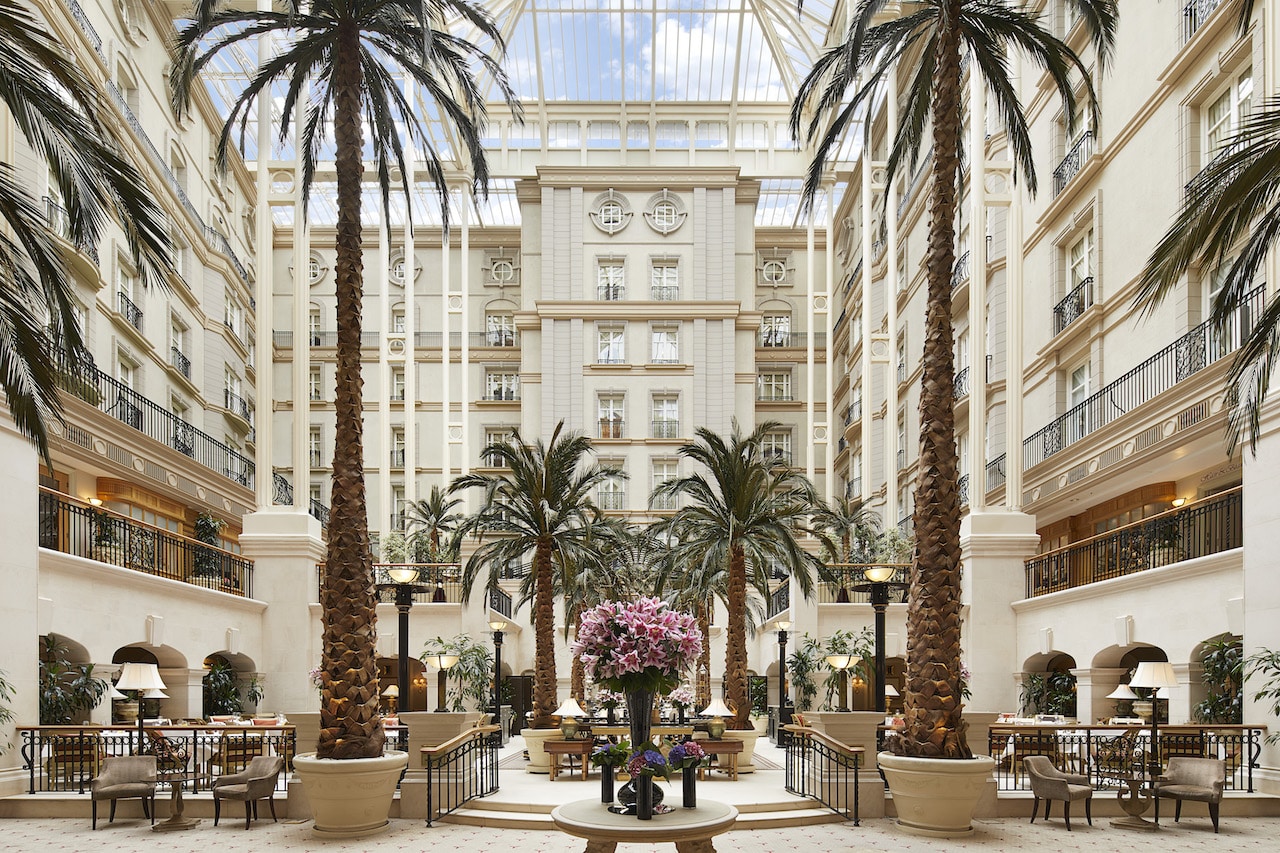
London is one of the world’s great luxury capitals, blending heritage, fashion, theatre, fine dining, and royal history with the energy of a global business and cultural hub. For travelers seeking world-class accommodation, the best hotels in London offer a rare combination of architectural grandeur, refined service, Michelin-level cuisine, and interior design that ranges from classic English elegance to ultra-modern minimalism. Whether visiting for business, culture, leisure, or celebration, the luxury hotels of London provide comfort, access, and sophistication in one of Europe’s most storied cities.
What differentiates London from other luxury destinations is its ability to unite historic heritage with contemporary luxury. Grand dame hotels that once hosted royalty, diplomats, and literary figures stand alongside new design-led properties that cater to modern travelers. Afternoon tea remains a hallmark of refined hospitality, while hotel suites feature marble bathrooms, dedicated butler service, chauffeur cars, and curated art collections. From Mayfair to Knightsbridge and from Covent Garden to the South Bank, London offers a wide range of neighborhoods where luxury hotels enhance the city experience through convenience, cultural proximity, and signature service.
What Defines a Luxury Hotel in London
Luxury hotels in London are defined by a blend of heritage, location, gastronomy, and service culture. Many are housed in historic buildings, Georgian townhouses, Edwardian structures, or Victorian landmarks that have been meticulously restored. High ceilings, ornate plasterwork, fireplaces, crystal chandeliers, and sweeping staircases showcase the architectural identity of London’s grand hotels.
Service plays a central role in London’s luxury hospitality. Butler service, concierge teams, chauffeurs, and discreet check-in areas support guests who require privacy and efficiency. Personalized attention extends to arranging West End theatre tickets, fashion fittings, chauffeur-driven tours, private museum visits, and reservations at exclusive members’ clubs.
Another defining feature is London’s culinary reputation. Many of the best hotels in London host Michelin-starred restaurants, renowned chefs, and innovative bars. Afternoon tea, a cultural tradition that dates back to the 19th century, remains a signature experience in many five-star properties and reflects the city’s unique hospitality heritage.
Finally, location is essential. Luxury hotels in London provide access to royal parks, museums, galleries, upscale shopping streets, and world-class theatres. Proximity to cultural landmarks allows travelers to experience the city through short walks, scenic drives, or chauffeur-served itineraries curated by hotel teams.
Types of Luxury Hotels in London
Luxury hotels in London fall into several categories, each designed for a specific type of traveler and aesthetic preference. Grand heritage hotels represent the classic image of London luxury. These properties often feature opulent interiors, iconic ballrooms, heritage lounges, and storied histories. They appeal to guests who appreciate tradition, craftsmanship, and old-world grandeur.
Boutique townhouse hotels provide a more intimate luxury experience. Located in residential neighborhoods or historic districts, they emphasize privacy, design character, and personalized service. These hotels are ideal for cultural travelers, couples, and fashion insiders who value individuality over scale.
Modern skyscraper hotels bring contemporary luxury to London through skyline views, polished minimalism, and advanced wellness facilities. Located in districts such as The City, Canary Wharf, or South Bank, they suit business professionals and international travelers who value functionality and modern aesthetics.
Riverfront contemporary hotels offer scenic views of the Thames, modern art collections, and proximity to cultural landmarks. They create a distinct atmosphere that blends the calm of waterfront living with the cultural richness of central London.
Finally, luxury residences and serviced apartments cater to extended stays, families, or UHNW individuals seeking privacy and flexibility. These accommodations provide kitchens, living spaces, and dedicated staff, enabling self-sufficient living without sacrificing hotel-level services.
Best Neighborhoods for Luxury Hotels in London
London’s neighborhoods each offer their own character, making it essential to choose a location that aligns with the travel purpose.
Mayfair is the epicenter of London luxury, with private members’ clubs, galleries, Michelin-starred restaurants, and designer boutiques. Hotels here offer discreet service and refined elegance, appealing to business travelers, UHNW guests, and culture-seekers.
Knightsbridge is renowned for Harrods, Hyde Park, and royal landmarks. This district blends shopping with green spaces, making it ideal for families, honeymooners, and guests who value leisure and proximity to historical sites.
Kensington offers museums such as the V&A, Natural History Museum, and Design Museum, along with residential calm. Luxury hotels here are well suited for cultural travelers and families who want a quieter atmosphere.
Covent Garden places guests near theatres, opera houses, restaurants, and artisan boutiques. It is perfect for travelers who want walkability, nightlife, and access to the West End.
The City and Canary Wharf form London’s financial core, attracting business travelers who require modern accommodation close to corporate offices. Luxury hotels in these districts feature minimalist design, skyline views, and state-of-the-art wellness facilities.
Westminster, home to Buckingham Palace, Parliament, and royal parks, offers a combination of classic grandeur and political significance. Luxury hotels here appeal to history lovers and guests seeking iconic London experiences.
South Bank provides contemporary luxury with views of the river, art galleries, and cultural centers such as the Tate Modern and Royal Festival Hall. It suits travelers who appreciate modern art and scenic city walks.
Iconic Luxury Hotels in London
London’s luxury hotel landscape includes some of the most iconic and historically significant properties in the world.
The Ritz London is synonymous with classical English sophistication. With Louis XVI-style interiors, gilded ceilings, and a legendary Palm Court, The Ritz embodies timeless luxury. Its afternoon tea is one of the most famous in the world, and suites overlook Green Park and Piccadilly with refined elegance.
Claridge’s in Mayfair blends Art Deco heritage with contemporary glamour. Known for its celebrity clientele, impeccable service, and atmospheric bars, Claridge’s remains a favorite among guests who appreciate understated sophistication.
The Connaught, also in Mayfair, combines traditional British charm with contemporary art and Michelin-starred dining. Its suites, curated art, and discreet ambiance attract global travelers seeking privacy and cultural refinement.
The Dorchester, located on Park Lane facing Hyde Park, offers expansive suites, heritage dining, and a world-renowned spa. The hotel’s interiors balance classic British style with modern luxury, making it ideal for families and dignitaries.
The Savoy, located on the Strand, is one of London’s great grand hotels. With Edwardian and Art Deco design, a historic riverside setting, and legendary dining venues, The Savoy appeals to theatre lovers, culture tourists, and history enthusiasts.
Brown’s Hotel in Mayfair is one of London’s oldest luxury hotels. Known for literary history and intimate charm, it offers elegant suites and modern British dining that balances heritage with contemporary design.
The Lanesborough near Hyde Park features Regency interiors, a world-class spa, and butler service for every guest. Its refined aesthetic suits travelers seeking traditional luxury with modern comfort.
The Berkeley in Knightsbridge introduces contemporary design and innovative dining. Its rooftop pool and fashionable restaurants attract a younger luxury audience.
Mandarin Oriental Hyde Park offers grand views of Hyde Park and combines Asian-influenced service with British design. It appeals to international guests, wellness travelers, and families.
Shangri-La The Shard London is housed in the city’s tallest building. Its floor-to-ceiling windows provide panoramic views from Tower Bridge to St. Paul’s Cathedral. This hotel suits modern travelers seeking skyline luxury and dramatic architecture.
Rosewood London blends Edwardian heritage with contemporary design in Holborn. With marble staircases, courtyards, and refined brasseries, Rosewood attracts cultural travelers, business executives, and families.
Four Seasons Hotel London at Park Lane offers refined interiors, wellness amenities, and classic service near Hyde Park, making it suitable for both business and leisure.
Bulgari Hotel London in Knightsbridge fuses Italian luxury with London sophistication. Contemporary minimalism, a private cinema, and refined dining attract fashion-forward guests and UHNW travelers.
The Goring, a family-owned hotel near Buckingham Palace, is known for impeccable English charm and royal connections. Guests appreciate its intimate, residential feel and elegant interiors.
Suites, Penthouses & Luxury Accommodation Styles
Luxury suites in London vary from heritage salons with fireplaces to modern penthouses with terraces. Park-view suites overlooking Hyde Park and Green Park are among the most desirable, offering leafy tranquility in the middle of the city. Penthouses often feature dining rooms, dressing rooms, private studies, and terraces suited for events or private gatherings.
Royal and presidential suites cater to diplomats, UHNW travelers, and extended families requiring privacy, security, and multiple bedrooms. Amenities include butler service, chauffeur cars, marble bathrooms, fireplaces, walk-in closets, and bespoke furnishings. For long-term stays, luxury residences provide kitchens, laundry facilities, and residential floor plans that blend domestic comfort with five-star services.
Dining & Culinary Experiences in London’s Best Hotels
London’s luxury hotels play a major role in the city’s culinary landscape. Many feature Michelin-starred restaurants led by acclaimed British and international chefs. The city’s global dining scene allows hotels to offer French, Italian, Japanese, British, or fusion menus within the same property.
Afternoon tea remains a hallmark of London luxury. Served in ornate lounges with tiered stands of pastries, finger sandwiches, and scones, tea service reflects British tradition at its most elegant. Bars and cocktail lounges in luxury hotels hold their own cultural significance, with many offering historic decor, rare spirits, and expertly crafted cocktails that cater to discerning guests. Room service elevates in-suite dining into a private fine-dining experience, suitable for business meetings or relaxed evenings.
Spa, Wellness & Fitness Culture
Wellness facilities in London’s luxury hotels balance tradition and innovation. Hammams, hydrotherapy pools, saunas, and thermal suites support relaxation after long days exploring the city. Luxury spas often partner with British or international skincare brands to provide anti-aging treatments, facials, and massages tailored to modern travelers.
Private trainers, yoga instructors, and wellness concierges support guests who maintain active routines. Indoor pools with natural light or architectural features offer peaceful escapes from the city’s pace. Beauty salons and grooming lounges cater to business travelers, wedding parties, and attendees of social events.
Luxury Experiences Connected to Hotels
Luxury hotels serve as portals to exclusive London experiences. Guests may arrange private tours of Kensington Palace, Westminster Abbey, and royal parks. Personal shopping services offer access to Harrods, Selfridges, or Bond Street boutiques with private fittings and stylist consultations. West End theatre concierge services secure tickets to sold-out shows, while museum and gallery tours give guests intimate access to collections and exhibitions. Chauffeur-driven sightseeing, historic walking tours, and seasonal events such as art fairs and garden parties enrich the cultural dimension of the stay.
Who the Best Hotels in London Are For
The best hotels in London suit a range of travelers. Business travelers rely on discreet service, meeting spaces, and connectivity. UHNW guests and dignitaries seek privacy, heritage suites, and personal security. Fashion and art travelers appreciate proximity to galleries, boutiques, and cultural venues. Families value multi-room accommodations, museum access, and parks. Honeymooners and couples enjoy romantic suites, Michelin dining, and scenic walks.
Pricing & Value Considerations
Pricing varies with location, season, and suite category. Summer, holiday periods, and Fashion Weeks typically represent peak demand. Heritage hotels in Mayfair, Knightsbridge, and Park Lane command premium pricing due to brand prestige and prime positioning. For many travelers, value lies in service quality, cultural access, and heritage charm rather than room size or architectural scale.
Frequently Asked Questions
What is the best luxury hotel in London?
London hosts many contenders, but Claridge’s, The Connaught, The Ritz, The Dorchester, Aman, and Bulgari Hotel are often cited for exceptional luxury, heritage, and service.
Which area is the best to stay in London?
Mayfair, Knightsbridge, Kensington, and Covent Garden are among the best for access to shopping, culture, dining, and historic landmarks.
Are luxury hotels in London family-friendly?
Yes. Many offer interconnected suites, children’s amenities, museum access, and proximity to parks, making them suitable for families.
What hotel do celebrities use in London?
Celebrities and dignitaries often choose Claridge’s, The Connaught, The Dorchester, Bulgari Hotel, or The Ritz for privacy, security, and refined luxury.
What is the most famous hotel in London?
The Ritz, Claridge’s, and The Savoy are historically among the most famous due to cultural significance and iconic heritage.
When is the best time to visit London?
Spring and early autumn offer ideal weather and cultural events, while winter appeals to holiday travelers and visitors who enjoy festive atmosphere and theatre.