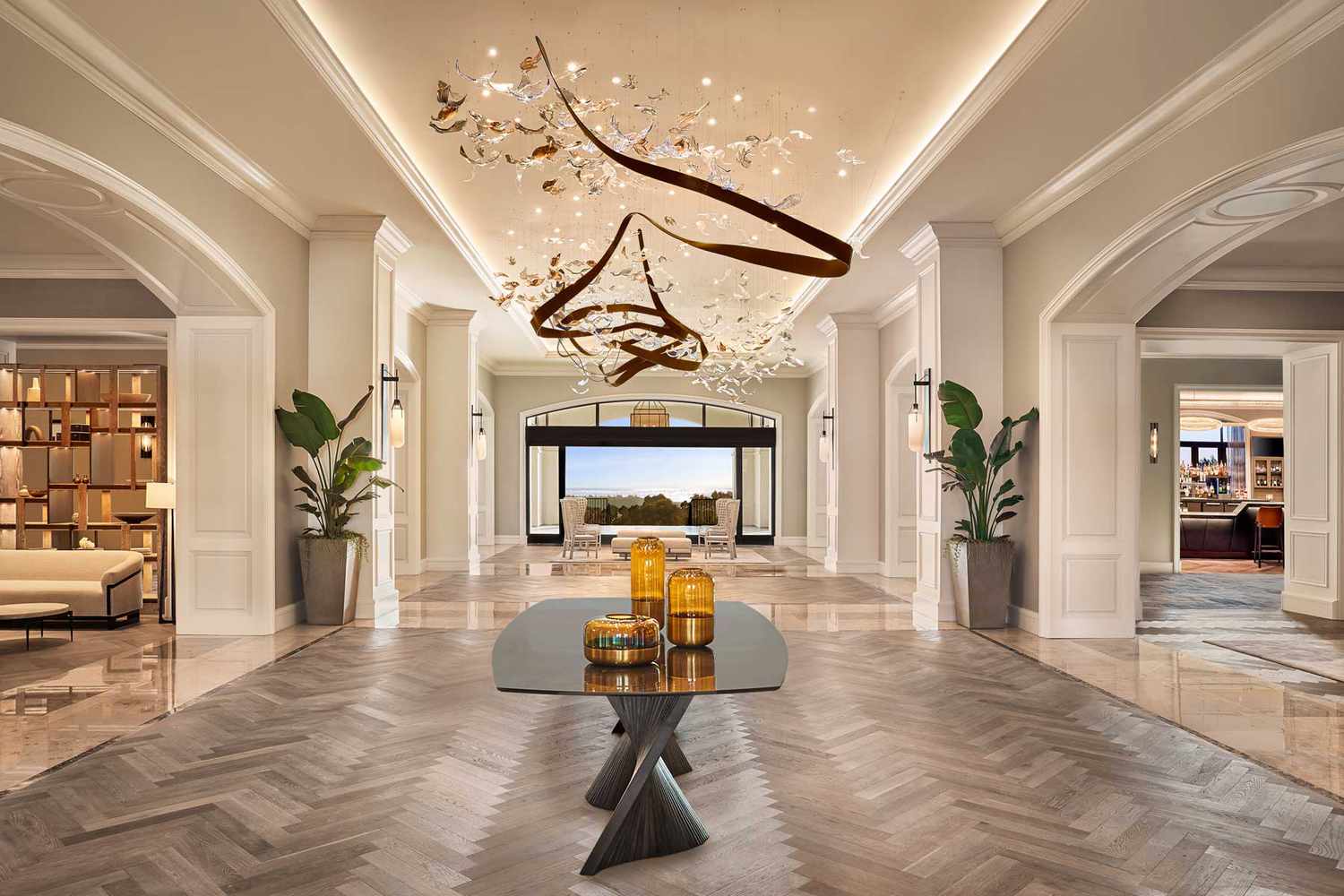
The modern hotel landscape is evolving rapidly, and at the heart of this shift lies the upscale hospitality segment—brands that sit between traditional luxury hotels and premium midscale chains. Upscale hotel brands offer sophisticated design, refined service, convenience, and comfort without the overt opulence or price points associated with ultra-luxury hotels. They appeal to a new generation of global travelers who value meaningful amenities, contemporary aesthetics, culinary credibility, and technology-driven convenience. These travelers are a mix of business professionals, leisure guests, family vacationers, digital nomads, and “bleisure” travelers who now blend business trips with personal exploration.
The growth of upscale hotel brands reflects an important shift in travel behavior. Guests want consistency but not sameness, quality without pretension, and comfort without excess. They seek hotels that are aspirational yet accessible—properties that look stylish, feel well operated, offer good food and wellness spaces, support productivity, and remain competitively priced across major cities and emerging destinations. Upscale hotel brands have mastered this balance, combining global standards with localized design influences that feel modern and fresh.
From Europe to Asia, North America to the Middle East, upscale hospitality has become one of the most influential segments shaping the future of travel. To understand its trajectory, it’s important to explore how upscale brands are defined, how they differ from luxury hotels, and which global names currently set the benchmark for excellence.
Understanding the Upscale Category in Hospitality
Upscale hospitality occupies a distinct space in the industry hierarchy. On a spectrum that ranges from economy to midscale to upper-midscale to upscale, upper-upscale, and luxury, the upscale tier sits comfortably in the upper-middle, offering more sophisticated services, spaces, and amenities than midscale brands but without the highly personalized service, extravagant suites, or exclusive facilities associated with luxury hotels.
Upscale hotel brands typically feature contemporary interiors, full-service dining and bars, meeting spaces, fitness centers, high-speed internet, comfortable bedding, well-designed bathrooms, and efficient concierge support. They are especially strong in business and airport locations, financial districts, downtown city centers, resort regions, and conference hubs. The guest experience has a premium feel but is standardized enough to scale globally, making these brands popular with travelers who want reliability without monotony.
Another defining characteristic is their alignment with loyalty programs. Brands like Marriott Hotels, Hilton Hotels & Resorts, Sheraton, Hyatt Regency, InterContinental, and Sofitel offer robust loyalty ecosystems that influence booking behavior. For frequent travelers, points and reward status often matter as much as amenities, turning upscale brands into strategic choices rather than purely emotional ones.
While luxury hotels revolve around exclusivity, privacy, and personalized emotional service, upscale brands revolve around elevated comfort, design, functionality, and consistency. This makes the upscale segment ideal for business trips, conferences, weddings, short leisure getaways, and destination-based work.
Key Features That Define Upscale Hotel Brands
Upscale hotel brands share a set of modern qualities that align with global travel expectations.
Design plays a major role. Interiors are contemporary, neutral, and streamlined, incorporating natural materials, modern lighting, smart layouts, and multi-functional spaces. Public areas such as lobbies often double as social and work environments, offering seating clusters, lounges, café spaces, and plug-in stations. This reflects the rise of remote work and digital nomad culture, where guests need flexibility in how they use hotel space.
Technology is another pillar. Rooms typically feature smart TVs, fast Wi-Fi, digital controls, USB charging ports, and sometimes app-based service requests. These conveniences support both productivity and entertainment without requiring high-touch concierge support found in luxury hotels.
Fitness and wellness facilities are standard. Upscale properties incorporate well-equipped gyms, pools, spa services, or wellness programming that appeals to health-conscious travelers. The wellness trend has grown significantly, with even business-focused hotels offering yoga mats, peloton bikes, and spa menus.
Dining is taken seriously. Upscale hotels invest in credible bars, stylish lounges, breakfast concepts, and chef-driven restaurants. Business travelers expect high-quality breakfast and coffee offerings, while leisure travelers appreciate curated dining inspired by local culinary identity.
Location is strategic. Upscale brands cluster around transportation hubs, downtown districts, beach locations, and cultural neighborhoods. This combination of convenience and access is a major selling point.
Service is warm but efficient. Staff are trained to solve problems quickly, support travel needs, make recommendations, and enhance comfort without providing the hyper-personalized, anticipatory service associated with 5-star luxury hotels.
Finally, consistency across global markets allows travelers to book with confidence. Whether staying in Singapore, Paris, New York, Dubai, or Sydney, guests generally know what to expect.
The Rise of Lifestyle Upscale Hotels
One of the most interesting evolutions in upscale hospitality is the emergence of lifestyle-driven hotel brands. Unlike traditional upscale hotels that focused on business travel and functional design, lifestyle upscale hotels lean into art, culture, design, wellness, and social connection. This movement was driven largely by younger travelers who wanted spaces that felt stylish, local, and experiential rather than corporate.
Lifestyle upscale hotels emphasize community-driven spaces—lobbies that function as cafés, bars, co-working spaces, and event venues. Design collaborations with artists, musicians, and architects are common, as are partnerships with coffee roasters, craft breweries, fashion labels, and farm-to-table restaurants. Guest rooms are often compact but intelligently designed, with high-quality linens, walk-in showers, and aesthetically pleasing details.
These brands have transformed the identity of upscale hospitality by making hotels feel like extensions of the destination rather than sealed environments. They attract millennial and Gen Z travelers who want cultural discovery as much as comfort.
Major Upscale Hotel Brands and Their Global Influence
A number of major upscale hotel brands have shaped the category through design, consistency, and strategic expansion.
Hyatt Regency is known for its international business appeal, with spacious lobbies, strong meeting and event facilities, balanced design, and reliable dining offerings. Its presence in major airports and financial districts makes it a favorite for corporate travelers and conferences.
InterContinental Hotels & Resorts blends business-friendly elegance with a stronger luxury crossover than many upscale brands. Its global properties often include heritage buildings, grand lobbies, and executive lounges that appeal to diplomats, business delegations, and leisure guests who prefer refined comfort.
Marriott Hotels, the signature flagship of Marriott International, remains one of the most recognizable upscale brands in the world. Marriott properties combine global standardization with local design influences, and they excel in business services, conference hosting, and leisure stays.
Hilton Hotels & Resorts operates similarly within the Hilton ecosystem, offering sophisticated rooms, strong loyalty benefits through Hilton Honors, versatile dining options, and reliable event facilities. Hilton’s airport hotels are particularly well regarded for international transit.
Sheraton Hotels & Resorts, part of Marriott’s portfolio, has undergone a major global redesign in recent years. Modern Sheraton properties emphasize open lobbies, business coworking spaces, redesigned rooms, and elevated F&B that appeals to younger corporate travelers.
Westin Hotels & Resorts is one of the few upscale brands with a strongly defined wellness identity. Its “Heavenly Bed” concept transformed hotel bedding standards industry-wide, and Westin continues to lead in fitness-focused travel with gear lending programs, well-equipped gyms, and spa offerings.
Sofitel Hotels & Resorts represents a French interpretation of upscale hospitality through design, culinary arts, and cultural programming. Sofitel properties often have an elegant European aesthetic, appealing to travelers who value boutique-style luxury in a full-service environment.
Pullman Hotels, also part of Accor, positions itself at the intersection of business and lifestyle. Its design-led approach, event spaces, and contemporary dining are popular across Europe, Asia, and the Middle East.
Le Méridien blends art, European design, and coffee culture, positioning itself as an “artful traveler” brand. Its partnerships with contemporary artists and cultural institutions reinforce its creative identity.
Kimpton Hotels delivers a boutique-lifestyle experience within the upscale category. Known for creative interiors, lively social programming, pet-friendly policies, and strong F&B concepts, Kimpton appeals to travelers who want soul and personality in their hotel experience.
Curio Collection by Hilton and Autograph Collection by Marriott represent soft-branded upscale portfolios where independent hotels retain unique identity while benefiting from major loyalty programs. This approach allows guests to experience distinctive design without sacrificing rewards or reliability.
Hyatt Centric is aimed at urban explorers who want stylish rooms, vibrant locations, and efficient comfort. Its millennial-facing branding and trendy dining concepts make it popular in major cities.
Meliá Hotels International, NH Collection, and other European-based brands contribute significantly to the upscale category with properties tailored for both leisure and business travel.
These brands demonstrate how upscale hospitality now encompasses both corporate-friendly consistency and culturally expressive lifestyle experiences.
Upper-Upscale Brands and the Luxury Crossover
Some brands occupy a space between upscale and full luxury. These “upper-upscale” brands serve conferences, high-end business travel, weddings, and international events while delivering a more sophisticated ambiance and suite selection.
JW Marriott is a notable example. With refined interiors, club lounges, elevated cuisine, and spa services, JW Marriott bridges business travel with lifestyle luxury, making it popular for executives and leisure travelers alike.
Conrad Hotels & Resorts, part of Hilton, offers contemporary luxury with strong location strategy. Conrad properties often feature modern art, refined dining, and urban sophistication.
Hyatt and Grand Hyatt are positioned for major international markets with large event spaces, suites for business delegations, and upscale wellness options.
Renaissance Hotels, part of Marriott, leans lifestyle with curated guides and design-forward aesthetics.
Kempinski, one of Europe’s oldest luxury brands, operates in prime city and resort locations worldwide, serving elite travelers with heritage sophistication.
Millennium Hotels provides an upper-upscale offering in key global markets, especially in Asia-Pacific and the Middle East.
These brands demonstrate how upscale hospitality continues to stretch upward, absorbing elements of luxury without fully adopting its cost structure or exclusivity.
Where Upscale Brands Thrive Globally
Upscale hotel brands flourish in environments with strong tourism infrastructure, business ecosystems, convention services, and transportation hubs.
Cities like New York, Chicago, Boston, Los Angeles, Toronto, and Vancouver have dense corporate districts, international airports, universities, and cultural institutions that create year-round demand for upscale stays. Luxury and boutique segments exist here, but upscale brands dominate due to conference and business travel.
London, Paris, Berlin, Amsterdam, and Madrid also support upscale hospitality through commerce, finance, and tourism. Europe’s strong rail networks make city-hopping attractive, and upscale hotels offer accessible pricing for extended leisure trips.
Singapore, Hong Kong, Tokyo, Seoul, Bangkok, Kuala Lumpur, Sydney, Melbourne, and Shanghai are major Asia-Pacific hubs where upscale brands flourish due to international business, meetings, and thriving tourism industries.
Middle Eastern cities like Dubai, Abu Dhabi, Doha, Muscat, and Riyadh are growing upscale markets due to economic diversification, cultural tourism, and aviation connectivity.
In resort destinations such as Bali, Phuket, Cancun, Cape Town, Honolulu, and the Canary Islands, upscale resort brands offer families and couples a premium vacation experience without luxury-level pricing.
Airport districts are another major stronghold. Upscale airport hotels are crucial hubs for airline crews, business travelers, and international layover guests. They provide amenities, dining, and consistency that economy or midscale airport hotels cannot.
These diverse environments highlight how adaptable the upscale category has become.
Design and Architecture in Upscale Hospitality
Design language in upscale hotels reflects both functionality and sophistication. Contemporary interiors favor natural materials, warm lighting, ergonomic furniture, rainfall showers, and modern art. Scandinavian, Japanese, and mid-century modern influences are common due to their clean lines and timeless appeal.
Public spaces are designed for hybrid use. Lobbies may include café counters by day and wine bars by night. Lounges double as co-working zones with chargers, strong Wi-Fi, and comfortable seating. This reflects the dissolution of rigid boundaries between work and leisure.
Art installations, cultural exhibitions, and photography displays are increasingly used to localize properties without requiring boutique-level artistic depth.
Rooms focus on sleep and productivity. High-thread-count linens, blackout curtains, adjustable lighting, and workspace desks appeal to both business and leisure guests. Bathrooms often feature glass showers, stone counters, and premium toiletries aligned with wellness trends.
The result is an environment that feels elevated and modern while remaining universally accessible.
Dining, Bars, and Culinary Culture
Culinary offerings have become a distinguishing factor in upscale hospitality. Business travelers expect high-quality breakfast, artisanal coffee, and evening dining that can accommodate client meetings. Leisure travelers seek local flavors, mixology programs, and contemporary dining spaces.
Upscale hotels increasingly partner with local chefs, roasters, wineries, and breweries. Menus often incorporate seasonal produce, organic ingredients, and regional specialities. Bars focus on craft cocktails, premium spirits, and curated wine lists.
Breakfast has transformed from utilitarian buffets into wellness-driven spreads featuring fresh fruit, pastries, smoked fish, eggs cooked to order, gluten-free options, and specialty coffee.
F&B is no longer an afterthought—it is integral to brand identity and revenue models.
Wellness, Fitness, and Business Amenities
Modern upscale hotels recognize the importance of wellness. Fitness centers are larger and better equipped than ever, often including Peloton bikes, free weights, stretching areas, and natural daylight. Pools and spa services appear in many properties, particularly in Asia, the Middle East, and Europe.
Meeting rooms, conference centers, and event venues remain core assets. Hybrid event technology, video conferencing, soundproofing, and breakout spaces support corporate gatherings.
Co-working spaces are increasingly popular, attracting remote professionals who find hotels more inspiring than traditional offices.
Airport transfers, car rentals, lounge access, and executive floors enhance convenience for high-frequency travelers.
Pricing, Value, and Loyalty Ecosystems
Upscale hotels occupy a pricing space that appeals to both cost-conscious luxury travelers and premium business travelers. Rates vary based on season, city, and brand positioning. Urban properties command higher prices during conferences and corporate events, while resort properties fluctuate by holiday and vacation demand.
Loyalty programs are the backbone of upscale booking strategy. Marriott Bonvoy, Hilton Honors, World of Hyatt, Accor Live Limitless, and IHG One Rewards not only drive repeat bookings but influence destination decisions. Travelers choose cities based on where they can accumulate or redeem points, making loyalty ecosystems a form of competitive advantage.
For frequent travelers, lounge access, late checkout, upgrades, and breakfast benefits matter as much as room features. Upscale brands understand this dynamic and tailor their offerings accordingly.
Upscale vs Luxury vs Midscale: Understanding the Differences
While midscale hotels focus on affordability and basic comfort, upscale hotels offer a more refined and full-service experience with enhanced design and amenities. Luxury hotels go further into personalized service, spacious suites, fine dining, exclusive wellness, and emotional brand storytelling.
The differences can be summarized through various lenses:
Product: Luxury hotels offer larger rooms, expansive suites, fine materials, and bespoke furniture, while upscale hotels focus on clean design and ergonomic layouts.
Service: Luxury hotels offer anticipatory service and personal butlers, while upscale hotels offer warm but efficient service.
Amenities: Luxury hotels emphasize spas, Michelin dining, and exclusive spaces; midscale avoids extras; upscale provides balanced offerings.
Pricing: Luxury rates reflect exclusivity; upscale rates reflect accessibility and value; midscale reflects affordability.
All three segments coexist because they serve different traveler psychology—from aspirational luxury seekers to productivity-driven corporate guests to budget-conscious explorers.
How Upscale Hospitality Appeals to Younger Travelers
Millennial and Gen Z luxury consumers are reshaping upscale hospitality through their values and lifestyle preferences. They prioritize meaningful design, wellness, sustainability, digital convenience, and social spaces. They want hotels that look good, feel local, support remote work, and align with their personal identity.
Instagrammable architecture, on-trend interior design, artisanal coffee, craft cocktails, rooftop bars, and pet-friendly policies are now differentiators. Technology such as mobile check-in, digital keys, and streaming-enabled entertainment systems also matters.
Sustainability is increasingly critical. Upscale hotels incorporate renewable energy, waste reduction programs, plastic-free operations, and LEED or WELL certifications. Guests actively seek brands that reflect these values.
The result is an upscale segment that feels modern, relevant, and culturally aligned with emerging global travelers.
The Future of Upscale Hotel Brands
The future of upscale hospitality will be driven by innovation, personalization, sustainability, and technology. Contactless travel, biometric security, AI-assisted concierge platforms, and predictive personalization will shape guest expectations. Digital-first loyalty ecosystems will merge with airline, credit card, and mobility services.
Sustainability will become mandatory rather than optional as travelers demand responsible operations. Hybrid work models will blur the lines between office, home, and hotel, making co-working infrastructure and extended-stay suites more attractive.
Upscale brands will continue expanding into Africa, South America, and Central Asia as tourism diversifies. Meanwhile, soft-branded collections will grow, allowing independent hotels to retain their identity while gaining access to global distribution and loyalty platforms.
Upscale hospitality will remain one of the most important segments in global travel because it intersects aspiration with accessibility, lifestyle with reliability, and experience with value.
Frequently Asked Questions
What is considered an upscale hotel brand?
An upscale hotel brand offers sophisticated design, full-service amenities, comfortable rooms, dining options, meeting spaces, and contemporary interiors at a premium price point below luxury hotels but above midscale brands. They cater to both business and leisure travelers who seek elevated comfort without luxury-level personalization.
What is the difference between upscale and luxury hotels?
Luxury hotels focus on personalized service, spacious suites, fine dining, wellness, exclusivity, and emotional hospitality experiences. Upscale hotels focus on design, consistency, location, technology, and convenient amenities. Luxury aims for uniqueness and intimacy, while upscale aims for comfort and reliability.
Which upscale hotel brands are best for business travel?
Brands like Marriott Hotels, Hilton Hotels & Resorts, Hyatt Regency, InterContinental, Sheraton, Westin, and Sofitel are preferred by business travelers due to conference facilities, strong Wi-Fi, convenient locations, and loyalty benefits.
Are upscale hotels suitable for families?
Yes. Many upscale hotels offer family rooms, pools, kids’ menus, and central locations near museums, beaches, or theme parks. Resort properties often add kids clubs, babysitting, and multi-bedroom options.
Do upscale hotels offer loyalty points?
Most upscale brands belong to major loyalty programs such as Marriott Bonvoy, Hilton Honors, World of Hyatt, Accor Live Limitless, and IHG One Rewards. These programs influence hotel selection for frequent travelers seeking upgrades and free nights.
What amenities do upscale hotels normally include?
Typical amenities include modern rooms, spa and fitness facilities, pools, business centers, lounges, high-speed internet, dining outlets, bars, conference rooms, and concierge services.
Which cities are known for upscale hotel stays?
New York, London, Singapore, Dubai, Tokyo, Hong Kong, Paris, Chicago, Los Angeles, Berlin, Sydney, and Toronto are major hubs for upscale properties due to business travel, tourism, and transportation networks.