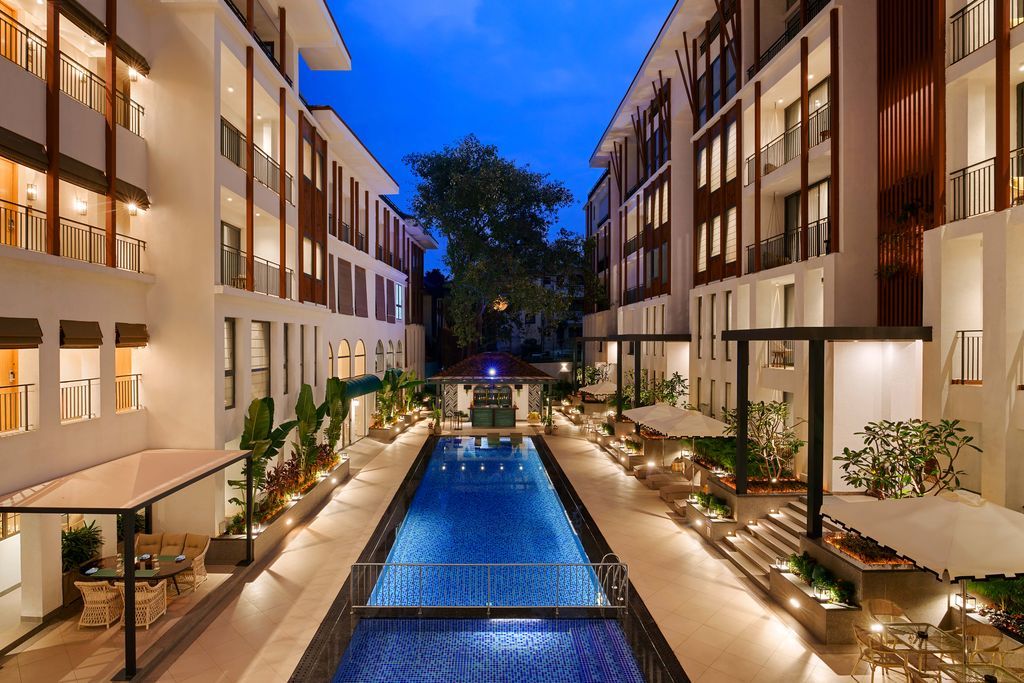
In the world of high-end travel, boutique luxury stays represent a growing shift away from standardized five-star chains toward more intimate, design-led, and culturally immersive experiences. Today’s luxury traveler values character over conformity, storytelling over brand uniformity, and soulful spaces over extravagance for its own sake. Boutique luxury hotels are not simply smaller versions of large luxury brands—they offer a different philosophy rooted in personal connection, artistic expression, locality, and authenticity. They are where architecture becomes a language, cuisine becomes a cultural dialogue, and hospitality becomes intuitive rather than procedural. They are also where travelers often form emotional attachments, remembering not just a beautiful room but the feeling of being understood, welcomed, and immersed in a place and its culture.
Over the last three decades, boutique luxury stays have transformed how sophisticated travelers explore the world. From coastal villas in the Greek Islands to revamped colonial mansions in South America, minimalist ryokans in Japan, heritage riads in Morocco, and eco-lodges in Patagonia, boutique stays combine design finesse, bespoke service, and meaningful locality. This guide dives deep into what defines boutique luxury, how the movement gained momentum, the destinations shaping it, and the iconic properties that set the global benchmark for personalized high-end travel.
Defining Boutique Luxury in Modern Travel
The term “boutique luxury” encapsulates a distinct subset of the hospitality world—one defined not by size or cost alone, but by identity. A boutique luxury stay is typically characterized by its intimate scale, curated design philosophy, personal service, and strong sense of place. Unlike large luxury chains with hundreds of rooms, boutique hotels often operate with fewer rooms, sometimes as few as ten or twenty, ensuring guests feel seen rather than processed. The experience is slow, thoughtful, and designed to connect travelers with art, culture, food, or nature in meaningful ways.
What makes boutique luxury compelling is the human element. Staff often call guests by name, owners may personally welcome visitors, and concierge teams tailor experiences based on individual interests rather than predefined packages. Instead of generic décor, boutique hotels display handcrafted furniture, contemporary art, local textiles, rare books, or original architectural details. The atmosphere feels lived-in and intentional rather than industrially perfect.
Boutique luxury stays are design-led without being cold, luxurious without being opulent, and intimate without being intrusive. They blend comfort with soul, resulting in environments that feel authentic, elevated, and deeply memorable.
The Evolution of Boutique Luxury Travel
Boutique hotels emerged as an antidote to the standardized international hotel chains that dominated the travel landscape in the mid-20th century. The concept took root in the 1980s in cities like New York, London, Paris, and San Francisco, where independent hoteliers and designers sought to create spaces that felt more like stylish private residences than corporate hotels. These early boutique pioneers emphasized design individuality, cultural relevance, and guest personality—qualities that large chains struggled to replicate.
By the late 1990s and early 2000s, the boutique movement had spread globally. Brands like Design Hotels, Small Luxury Hotels of the World (SLH), Mr & Mrs Smith, and Relais & Châteaux emerged as curators of boutique excellence, bringing attention to independent properties that embodied craftsmanship, locality, and authenticity. These platforms popularized the idea that luxury could be expressed through intimacy, aesthetic vision, and experiential travel rather than through scale or star ratings alone.
Today, boutique luxury stays are not a niche—they are a mainstream choice among modern travelers who value sustainability, artistry, personalization, and cultural immersion. Millennials and Gen Z luxury consumers in particular seek uniqueness and experiential depth, which has helped boutique hotels flourish in creative hubs, nature retreats, wine regions, heritage districts, and remote islands.
Core Features That Define Boutique Luxury Stays
Boutique luxury hotels tend to share a set of core defining characteristics, but each property interprets them through its own cultural and creative lens.
Design and architecture is one of the most visible pillars. Boutique stays often collaborate with respected architects, interior designers, and local artisans to create visual narratives that reflect the destination. Whether inspired by Japanese minimalism, Moroccan craftsmanship, Scandinavian hygge, or Mediterranean coastal chic, the interiors are cohesive, meaningful, and expressive. Materials matter—natural wood, stone, linen, ceramics, metalwork, and recycled or locally sourced elements contribute to tactile sophistication.
Location is equally important. Boutique luxury properties often occupy inspiring settings—historic quarters, vineyards, jungles, clifftops, island villages, ski towns, art districts, or converted heritage buildings. The environment becomes part of the experience, influencing everything from breakfast rituals to wellness programs.
Personalized hospitality is another hallmark. Guests receive curated itineraries, customized dining, and local recommendations that go beyond tourist circuits. Staff anticipate needs without formality, embodying warmth that feels effortless rather than scripted. This is hospitality delivered by humans rather than by policy manuals.
Cultural immersion sets boutique stays apart from large chain hotels that often avoid local distinctiveness. Boutique properties integrate culture through artisanal décor, music, workshops, culinary storytelling, and partnerships with local creatives—chefs, winemakers, designers, art curators, and wellness experts.
Culinary identity is fundamental. Boutique hotels often feature farm-to-table menus, seasonal produce, local fishing or foraging programs, and chef-driven restaurants. Wine, cocktail, and coffee culture is often exceptional, with boutique hotels frequently attracting food travelers who prioritize gastronomy as part of their journey.
Wellness and holistic living are increasingly central to boutique luxury. These properties offer yoga, meditation, hydrotherapy, onsen baths, forest immersion, surf lessons, guided hikes, and slow travel programs. Wellness feels natural, not manufactured—rooted in environment, culture, and intention.
Technology exists, but discreetly. Smart room features, fast Wi-Fi, and digital concierge services are present, but they never overpower tactile human warmth. Technology supports comfort rather than replacing it.
Types of Boutique Luxury Properties Around the World
The boutique luxury category encompasses a rich diversity of property types, each attracting specific types of travelers.
Urban boutique hotels are found in creative districts of cosmopolitan cities. Neighborhoods like SoHo in New York, Shoreditch in London, Shibuya in Tokyo, Kreuzberg in Berlin, and El Born in Barcelona host stylish boutique stays that merge architecture, nightlife, art, and gastronomy. They appeal to cultural travelers, business nomads, and food enthusiasts seeking vibrant city immersion with tasteful interiors and curated guest experiences.
Nature and eco-boutique lodges are built around natural beauty and regenerative travel. Properties in Costa Rica, Patagonia, Iceland, Ubud, and the Norwegian fjords place guests in biodiverse environments with minimal environmental impact. Solar power, rainwater harvesting, waste reduction, and eco-architecture define these stays, making them popular with nature lovers and sustainability-minded travelers.
Historical and heritage conversions bring cultural storytelling to life. Palaces, castles, riads, monasteries, haciendas, colonial mansions, and industrial warehouses have been transformed into luxurious boutique hotels in destinations like Marrakech, Lisbon, Jaipur, Buenos Aires, and Kyoto. Travelers choose these stays to connect with history through architecture, art, and narrative continuity.
Vineyard resorts and countryside estates attract wine lovers, honeymooners, and gourmands. These boutique stays in regions like Tuscany, Burgundy, Napa Valley, Stellenbosch, and South Australia merge rural elegance with wine tasting, seasonal cuisine, and scenic landscapes.
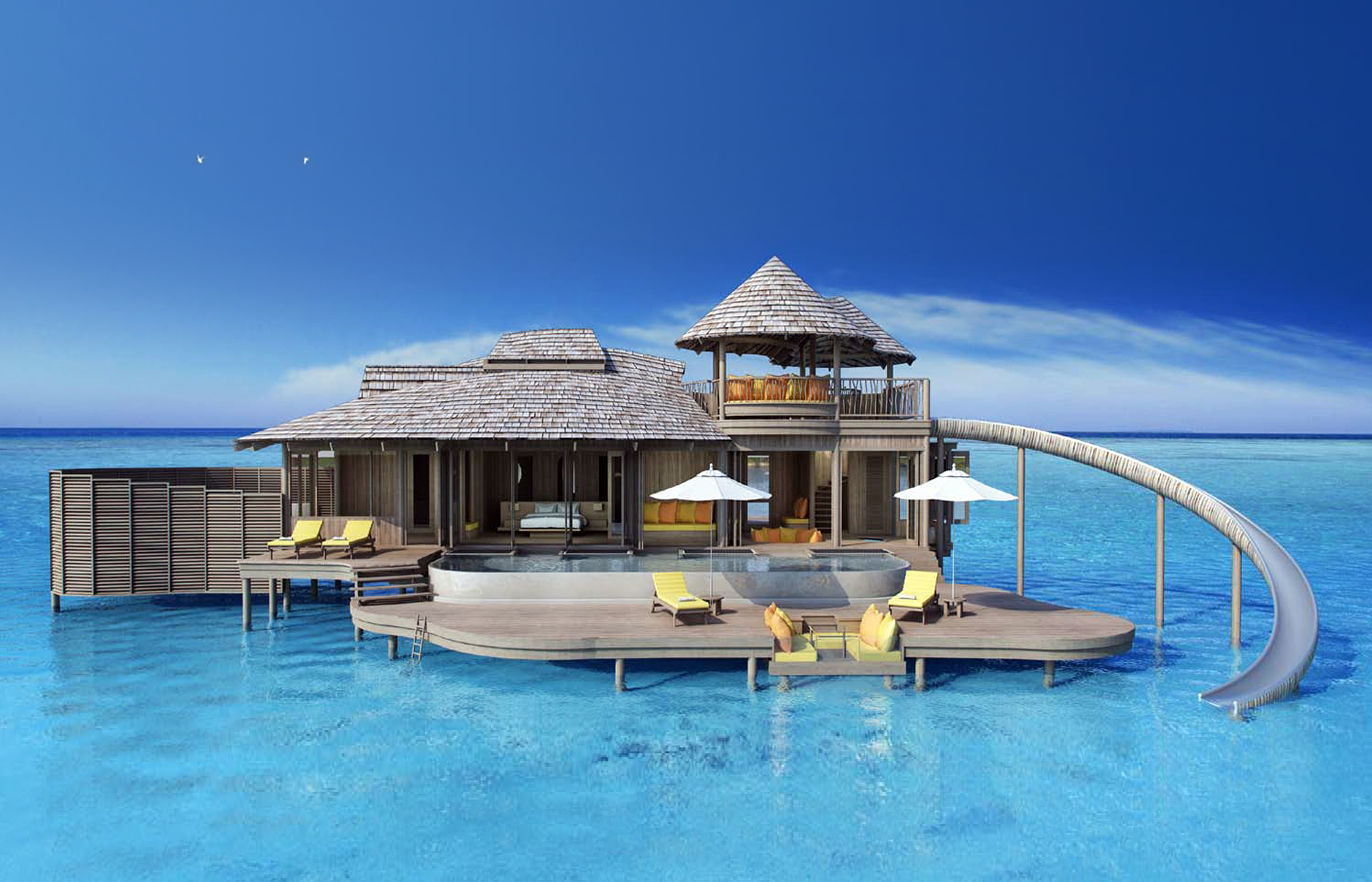
Island hideaways and coastal retreats represent barefoot luxury at its most charming. Boutique hotels in Santorini, Mykonos, Seychelles, Maldives, Bali, Zanzibar, and Tulum offer sunset terraces, cliffside pools, ocean gastronomy, boat excursions, and wellness programs. Honeymooners and romantic travelers gravitate toward these intimate island stays.
Desert and safari boutique camps redefine adventure travel. Boutique tented camps in Namibia, Kenya, Botswana, Jordan, and Morocco offer wildlife safaris, stargazing, guided expeditions, and cultural encounters. Experiences feel raw yet refined—because luxury here means context, storytelling, and respect for nature.
Global Hotspots for Boutique Luxury Stays
Certain regions and cities have cultivated reputations for boutique luxury due to their creative cultures, landscapes, or culinary traditions.
Paris and Provence in France offer boutique luxury shaped by art, gastronomy, and heritage. Parisian boutique hotels occupy Haussmann apartments or historic mansions, while Provence provides countryside estates surrounded by lavender fields, vineyards, and medieval villages. Design blends French elegance with contemporary comfort, attracting lovers of fine dining, fashion, and slow rural living.
Bali and Ubud in Indonesia have become global hubs for holistic boutique luxury. Ubud’s jungle villas, bamboo retreats, yoga pavilions, and wellness farms create transformative experiences rooted in nature and Balinese spirituality. Canggu and Seminyak offer coastal boutique stays for surfers, digital nomads, and food travelers.
Marrakech in Morocco blends ancient riad architecture with modern luxury. Boutique riads in the medina offer lush courtyards, mosaic pools, rooftop terraces, hammams, and Moroccan cuisine. The experience feels cinematic, sensual, and immersive—ideal for design travelers and culture seekers.
Buenos Aires in Argentina offers boutique hotels in historic neighborhoods like Palermo Soho and Recoleta. These properties blend European colonial heritage with Latin creativity, tango culture, craft cocktails, and emerging food scenes.
Tulum in Mexico has become a symbol of bohemian boutique luxury. Eco-conscious villas, Mayan wellness programs, beach clubs, and mezcal-forward dining attract artistic, spiritual, and adventure-loving travelers seeking barefoot comfort and jungle-meets-sea design.
Kyoto in Japan offers boutique ryokans and design hotels rooted in Zen philosophy, wood craftsmanship, tea culture, and minimalist aesthetics. Guests sleep on tatami mats, bathe in onsen-style baths, and dine on kaiseki cuisine—making Kyoto a haven for cultural purists.
Santorini and Mykonos in Greece deliver cliffside architecture, whitewashed suites, infinity pools, and Mediterranean cuisine. Boutique hotels on these islands offer minimalistic luxury, blue-domed vistas, yachting experiences, and fine dining with volcanic wines.
Cape Town and the Cape Winelands in South Africa blend cosmopolitan design with nature, wildlife, vineyards, and gastronomy. Boutique hotels integrate mountain views, ocean panoramas, farm-to-table cuisine, and art-driven interiors.
Queenstown in New Zealand attracts boutique luxury seekers interested in adventure, nature, and alpine design. Chic lodges offer lake views, vineyard excursions, heli-skiing, and hiking.
Amalfi Coast and Tuscany in Italy represent two sides of boutique luxury—cliffside glamour along Amalfi’s coastline and romantic countryside estates in Tuscany. Food, wine, art, and natural beauty define both regions.
Iconic Boutique Luxury Hotels and Properties
Several boutique luxury properties around the world have become icons for their design philosophies, atmospheres, and cultural depth.
The Sukhothai in Bangkok is known for its tranquil architecture, lotus ponds, Thai wood carvings, and low-rise resort-like layout that contrasts with Bangkok’s modern skyline. Guests feel connected to Thai cultural heritage through art, cuisine, and thoughtful design.
La Maison Arabe in Marrakech was one of the city’s first boutique riads to welcome international travelers. Its labyrinthine corridors, lantern-lit courtyards, and hammam spa embody Moroccan sensuality and generosity.
Katikies on Santorini delivers postcard-worthy cliffside suites carved into volcanic rock, with infinity pools that blur seamlessly into the Aegean Sea. The hotel’s minimalist white aesthetics define Cycladic luxury.
La Mamounia in Marrakech blends palace grandeur with boutique intimacy. Winston Churchill famously loved it, and today its lush gardens, zellige tiles, and cinematic spa rituals express Moroccan luxury at its most refined.
Hotel Esencia in Tulum began as a private estate and retains that intimacy today. Surrounded by rainforest and Caribbean water, it balances barefoot luxury with haute cuisine and wellness.
Post Ranch Inn in Big Sur, California, represents organic boutique luxury with cliffside cabins, ocean-facing terraces, and architectural harmony with nature. It appeals to wellness seekers, honeymooners, and design travelers.
Tierra Patagonia in Chile offers an eco-boutique experience rooted in the Patagonian steppe. Its architecture blends with the landscape, and guests explore glaciers, lakes, and national parks during their stay.
Giraffe Manor in Kenya is renowned for its herd of resident Rothschild giraffes that interact with guests during breakfast. The experience feels whimsical, unique, and deeply memorable.
The Upper House in Hong Kong embodies minimalistic Asian luxury with panoramic city views, spacious suites, and design centered on calm and simplicity—rare in a hyper-urban environment.
Ett Hem in Stockholm is a former residence turned boutique hotel where guests feel like they are staying in a beautifully curated Scandinavian home. Interiors include fireplaces, libraries, and communal kitchen spaces that feel intimate rather than commercial.
These properties are more than accommodations—they symbolize the emotional and cultural richness that boutique luxury represents.
Design, Art and Architecture in Boutique Luxury Stays
Boutique luxury hotels treat spaces as creative expressions. Interiors often showcase locally sourced materials, bespoke furniture, contemporary art, ceramics, textiles, and sculptures. Instead of generic décor, walls may feature local artists, commissioned pieces, or curated collections. Lighting design plays an important role, shaping emotion and atmosphere throughout the day.
Heritage conversions integrate original architectural elements—wood beams, stone arches, tiled courtyards, frescoed ceilings—with modern comfort. This fusion creates timeless environments that preserve history without feeling old-fashioned.
Minimalism and maximalism both appear within boutique luxury. Some properties embrace quiet restraint, natural textures, and neutral palettes, while others indulge in bold colors, layered patterns, and eclectic design. What matters is not style but intention.
Sustainability in design has become increasingly important. Recycled wood, handmade tiles, natural fibers, rainwater management, solar power, and low-impact construction align with modern values of conscious travel. Guests increasingly appreciate spaces that reflect both beauty and responsibility.
Culinary Identity and Farm-to-Table Philosophy
Culinary experiences form the soul of many boutique luxury hotels. Farm-to-table menus highlight local produce, small-scale farmers, artisanal cheese-makers, fishermen, and foragers. Instead of generic buffets, guests enjoy seasonal tasting menus, regional specialties, and chef-driven creations.
Wine culture thrives in boutique stays located in Tuscany, Bordeaux, Napa Valley, South Africa, and Australia’s Barossa Valley. Sommeliers curate wine pairings, guests tour vineyards, and sunset tastings unfold on terraces overlooking countryside landscapes.
In coastal regions, seafood becomes central, with catch-of-the-day menus and raw bars that change by season. Mixology programs incorporate local herbs, citrus, spices, and craft spirits. Breakfast rituals are elevated—fresh pastries, cold-pressed juices, artisan cheeses, farm eggs, smoked fish, and specialty coffee.
Private dining is another boutique luxury signature. Guests may enjoy picnics in vineyards, candlelit dinners on the beach, chef’s tables inside open kitchens, terrace tastings at sunset, or communal feasts inspired by local traditions.
Wellness, Nature and Holistic Experiences
Wellness plays a transformative role in boutique luxury stays. Properties in Bali, Costa Rica, Thailand, Sri Lanka, and Greece offer yoga retreats, meditation programs, sound healing, breathwork, and Ayurveda. Hot spring resorts in Japan and Iceland integrate nature with hydrotherapy. Forest retreats promote mindfulness, hiking, and spa rituals inspired by local healing traditions.
Adventure programs are equally valued—surfing in Indonesia, diving in the Maldives, horseback riding in Patagonia, skiing in the Alps, or hiking in New Zealand’s national parks. These experiences blend wellness with nature, creating journeys that feel restorative rather than performative.
Regenerative travel, which aims to restore rather than merely sustain, is emerging in boutique lodges in Africa, South America, and Southeast Asia. Conservation, community partnerships, and wildlife protection are woven into the experience, allowing guests to connect meaningfully with place and purpose.
Boutique vs Chain Luxury: Comparing Philosophies
Large luxury chains—like Four Seasons, Ritz-Carlton, St. Regis, Mandarin Oriental, and Rosewood—excel in consistency, global standards, and polished service. They offer club lounges, suites, business amenities, Michelin dining, and international service protocols that frequent luxury travelers trust.
Boutique luxury stays prioritize personality over uniformity. Rooms are not duplicates of each other, restaurants reflect local flavor rather than global menus, and interiors tell stories that differ from city to city. Boutique hotels take risks creatively—something large chains cannot always do at scale.
One is not better than the other—they simply serve different luxury mindsets. Business travelers may prefer chain consistency, while cultural travelers may prefer boutique intimacy. Honeymooners often choose boutique stays for romance and privacy. Food travelers choose boutique properties for culinary identity. Digital nomads and creatives choose boutique stays for community and atmosphere.
Pricing and Value in Boutique Luxury Stays
Boutique luxury hotels vary dramatically in pricing based on location, season, and exclusivity. Urban boutique hotels in major capitals may charge as much as leading 5-star hotels. Eco-lodges, vineyard estates, or island villas may exceed chain luxury pricing due to scarcity, design, and experiential value.
What guests pay for in boutique luxury is not merely space but narrative—design, cuisine, cultural context, service, atmosphere, and immersion. The emotional return on investment often feels higher because the experience is personal, unique, and memorable.
How to Choose the Right Boutique Luxury Stay
Choosing the right boutique stay depends on travel purpose. Honeymooners may look for cliffside suites in Santorini or villas in Seychelles. Solo travelers may choose Kyoto, Marrakech, or Buenos Aires for cultural immersion. Wellness travelers may choose Bali, Costa Rica, or Thailand for retreats and spas. Business travelers may choose boutique properties in Tokyo, London, or New York for style and convenience. Food travelers may choose Tuscany, Cape Town, or Napa Valley for cuisine and wine.
Evaluating design philosophy, culinary reputation, wellness options, cultural programming, and sustainability credentials can help match boutique stays to the traveler’s values and goals.
The Future of Boutique Luxury Travel
The future of boutique luxury emphasizes sustainability, technology that enhances rather than replaces human warmth, and travelers who prioritize meaning over materialism. Regenerative travel programs, eco-architecture, community partnerships, and carbon-neutral operations are becoming industry expectations. Slow travel—longer stays with deeper immersion—will continue to grow as travelers seek restfulness and connection over rapid consumption.
Boutique hotels will also expand into emerging destinations across Africa, South America, Central Asia, Balkans, and the Arctic, offering new narratives and landscapes for experiential luxury. Hybrid spaces for remote work will grow, enabling guests to live longer in places that inspire them.
What will remain constant is the human need for beauty, authenticity, and belonging—qualities boutique luxury hotels uniquely deliver.
Frequently Asked Questions
What is a boutique luxury stay?
A boutique luxury stay is an intimate, design-led, culturally immersive hotel experience that prioritizes personalization, storytelling, and atmosphere over standardized luxury. Boutique hotels are typically smaller and more expressive than large chain hotels.
How many rooms does a boutique hotel usually have?
Most boutique hotels have between 10 and 100 rooms. The smaller scale allows for more personalized service and unique design.
Are boutique hotels more expensive than 5-star hotels?
Not necessarily. Pricing depends on destination, exclusivity, and demand. Boutique hotels in remote or design-driven regions may exceed the price of chain 5-star hotels, while others may be more accessible.
Who are boutique hotels best suited for?
Boutique hotels appeal to cultural travelers, honeymooners, food enthusiasts, wellness travelers, design lovers, eco-conscious travelers, and anyone seeking intimacy and character in their stay.
What makes boutique luxury different from chain luxury hotels?
Chain hotels offer standardized excellence and global consistency, while boutique hotels offer unique design, personalized hospitality, and cultural immersion. Both are luxurious but serve different travel styles.
Are boutique hotels suitable for honeymoons?
Yes. Many boutique luxury properties specialize in romantic suites, private villas, ocean or cliffside settings, and curated experiences that are ideal for honeymoons.
How do boutique hotels personalize guest experiences?
Boutique hotels personalize through customized itineraries, name recognition, curated dining, cultural activities, private wellness sessions, and owner or staff engagement that feels authentic and warm.