Luxury hotels represent the highest form of hospitality—where architectural mastery, personal service, culinary artistry, and culturally immersive experiences come together to create something far beyond a place to sleep. For today’s global traveler, luxury no longer simply means marble bathrooms, designer bedding, or a skyline view. It means privacy when you need it, connection when you want it, experiences that feel deeply personal, and comfort that feels effortless. Luxury is now a combination of atmosphere, human touch, craftsmanship, sustainability, and design integrity. In this definitive long-form guide, we explore what truly defines a luxury hotel, how the concept has evolved globally, where the most prestigious luxury stays are found, and what modern guests look for when choosing their next glamorous escape.
Luxury travel has seen unprecedented demand in recent years. From couples seeking honeymoon hideaways in the Maldives and business travelers wanting high-touch concierge services in New York to wellness seekers checking into regenerative spa retreats in Greece, the world of luxury hotels has become incredibly diverse. Alongside the growth of global tourism, luxury hotel brands have rapidly expanded across continents, while boutique independent properties continue to redefine luxury with authenticity, privacy, and ultra-personalized experiences. Whether the goal is to unwind in a private desert oasis, explore a cosmopolitan capital through a five-star lens, or sleep overwater in a suite hovering above turquoise lagoons, the luxury hotel has become a key part of how people travel and how they remember their journeys.
What Defines a Luxury Hotel Today
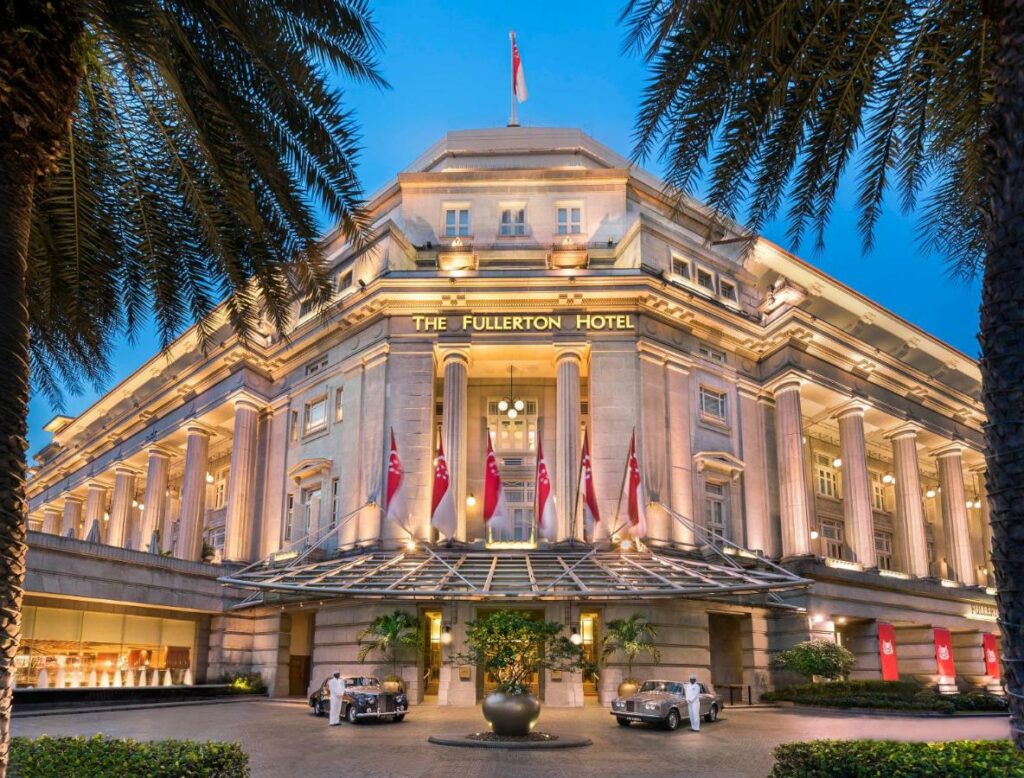
The term “luxury hotel” is often loosely used, but its true meaning goes far beyond five-star ratings. Luxury hotels offer an elevated standard of design, service, facilities, and experience that distinguishes them from premium or upscale hotels. They combine exclusivity with warmth, craftsmanship with purpose, and personalization with discretion. The modern definition is shaped by several core pillars such as thoughtful architecture, locality-driven storytelling, culinary leadership, spa and wellness integration, and intuitive service.
The service element is perhaps the most defining hallmark. Luxury hotels are expected to anticipate guest needs without intrusion—offering butler services, private dining curation, airport transfers, bespoke itineraries, expert concierges, and seamless communication. Technology plays a role, but human touch remains the pinnacle. When a guest feels understood, remembered, and cared for without being interrupted or overwhelmed, the hotel has achieved the gold standard of luxury hospitality.
Design equally defines modern luxury hotels. Interiors often reflect the destination and cultural identity, from Parisian Haussmann architecture to Arabian modernism in Dubai or minimalist Japanese ryokan-style functionality in Tokyo. The design philosophy extends to suites, lobbies, spas, and outdoor spaces, ensuring that guests feel immersed not just in the property but in the entire atmosphere of the destination. Materials, textures, art, lighting, and spatial flow matter deeply, and luxury hotels often partner with globally recognized architects and interior designers to create signature spaces.
Another defining characteristic is culinary excellence. Many luxury hotels house Michelin-starred restaurants, collaborate with celebrity chefs, or specialize in immersive dining concepts—farm-to-table sourcing, wine pairing experiences, or private beach dinners under starlit skies. The food and beverage program is not merely an amenity but a key driver of branding and guest satisfaction. In cities like Singapore, Hong Kong, New York, and London, travelers book hotels specifically for their culinary reputation.
Finally, privacy and exclusivity set luxury hotels apart. Whether it’s through private check-in lounges, VIP airport meet-and-greets, restricted-access guest floors, in-suite wellness services, or secluded pool villas, luxury hotels create a world within a world—safe, quiet, attentive, and curated.
The Origins and Evolution of Luxury Hospitality
Luxury hospitality traces its roots back to grand 19th-century European railway hotels and elite palaces that hosted aristocrats, artists, and diplomats. Properties like The Ritz in Paris, Claridge’s in London, and Hotel Danieli in Venice became icons of elegance, attracting royalty and luminaries who expected bespoke service and cultural refinement. The early era of luxury hotels emphasized opulence—ballrooms, chandeliers, gilded suites, and formal dining rooms.
Later, the mid-20th century saw the rise of global hotel chains such as Hilton, InterContinental, and Sheraton, which brought standardized service to international business travelers. While luxurious, they were largely functional and focused on corporate travel.
The true transformation came in the late 20th and early 21st centuries with brands like Four Seasons, Aman, Rosewood, Banyan Tree, and Mandarin Oriental redefining luxury around wellness, authenticity, and design. The introduction of boutique hotels revolutionized the concept further, prioritizing experience and individuality over uniformity.
Today’s luxury hospitality is experience-driven. Guests seek meaning, story, and cultural immersion, whether that means exploring the Riviera Maya through curated Mayan wellness rituals or sleeping in a glass igloo under the Northern Lights in Lapland. Sustainability, wellness, gastronomy, and privacy now shape the future of luxury travel.
Types of Luxury Hotels Around the World
Luxury hotels today can be categorized by design, geography, and purpose. This diversity allows travelers to match their stay with their personal travel style and destination goals.
Urban luxury hotels dominate global capitals like Paris, London, Dubai, New York, and Singapore. They cater to business travelers, cultural explorers, and high-profile guests seeking world-class dining, suites with skyline views, limousine transfers, art galleries, and spa facilities. These properties often blend heritage architecture with contemporary interiors, creating a refined urban sanctuary in the heart of the city.
Boutique luxury hotels emphasize intimacy and character. Unlike large chains, boutique hotels often have fewer rooms, personalized service, and a strong design identity. Guests choose them for authenticity, charm, and local storytelling. Cities like Barcelona, Kyoto, and Cape Town are renowned for boutique luxury stays that blend modern style with cultural heritage.
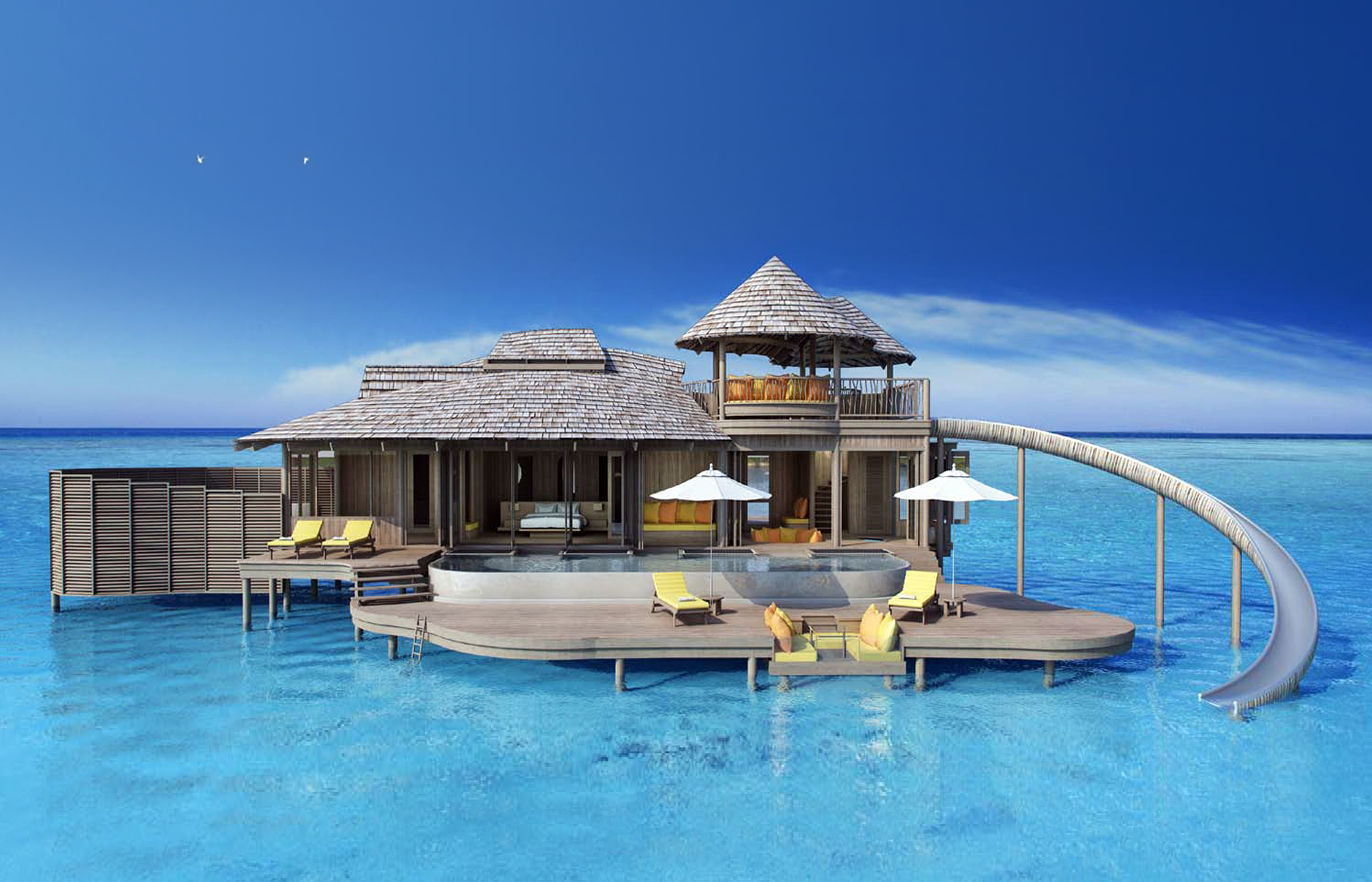
Beachfront luxury resorts dominate destinations such as the Maldives, Seychelles, Mauritius, Bali, Fiji, and the Caribbean. These hotels focus on escapism—private overwater villas, endless ocean views, private beaches, and water-based recreation. Honeymooners and wellness travelers often gravitate toward these resorts for their romantic settings and spa programs.
Mountain and ski luxury hotels are equally revered. Areas like the Swiss Alps, Aspen, Whistler, and the Dolomites specialize in ski-in/ski-out resorts, chalet-style suites, fine dining, and après-ski culture. They attract winter sports travelers, wellness enthusiasts, and culinary explorers.
Safari lodges create a different form of luxury—exclusivity rooted in nature. Countries like Kenya, Tanzania, South Africa, Botswana, and Namibia offer luxury tented camps that combine wildlife safaris with private butlers, outdoor showers, wine cellars, and fine dining under the stars. These experiences are immersive, conservation-focused, and deeply memorable.
Private island resorts represent the pinnacle of seclusion. In destinations like Bora Bora, French Polynesia, Maldives, Seychelles, and Fiji, entire islands are converted into ultra-luxury retreats offering private butlers, yacht transfers, and complete privacy. High-net-worth travelers, celebrities, and honeymooners choose private island resorts for discretion, exclusivity, and idyllic natural beauty.
The Most Influential Luxury Hotel Brands
Luxury hospitality is shaped by a handful of iconic global brands that represent the highest benchmark of service and design. Four Seasons Hotels & Resorts is known for consistency, refined service standards, and legendary concierges. It caters to both leisure and business travelers, blending classic elegance with modern hospitality technology.
Aman Resorts represents ultra-luxury minimalism and immersive cultural experiences. With properties integrated into UNESCO heritage sites, remote landscapes, and historical architecture, Aman delivers quiet luxury, privacy, and architectural excellence. Its clientele values discretion and natural beauty over overt opulence.
Rosewood Hotels & Resorts blends residential-style elegance with strong locality. Its “Sense of Place” philosophy ensures each property reflects the culture and heritage of its destination, from Rosewood Hong Kong to Rosewood São Paulo.
The Ritz-Carlton and St. Regis remain synonymous with classical luxury, legendary afternoon tea traditions, butler services, and iconic suites. They attract affluent business travelers, families, and honeymooners who appreciate heritage and grandeur.
Mandarin Oriental blends contemporary luxury with Asian cultural sensitivity, wellness traditions, and Michelin-star dining. Its spa programs are among the finest in the world.
Six Senses and Banyan Tree represent the intersection of sustainability, wellness, and nature-driven design. Their resorts promote holistic health, regenerative travel, and eco-architecture, appealing to wellness-focused luxury consumers.
One&Only Resorts, Cheval Blanc, Belmond, and COMO also contribute to defining global luxury through adventure, seclusion, and culinary innovation.
Inside Luxury Hotel Rooms and Suites
Luxury hotel suites are immersive spaces designed to make guests feel serene, inspired, and taken care of. Presidential, Royal, Penthouse, and Overwater Suites offer expansive layouts, private pools, panoramic views, dining rooms, spa bathrooms, and dedicated staff. Many suites feature walk-in dressing rooms, designer furniture, artisanal textiles, curated libraries, and bespoke artworks.
The bathroom experience alone is considered a luxury hallmark. Marble surfaces, rain showers, deep soaking tubs, heated floors, premium toiletries, and Japanese washlet systems elevate everyday rituals into slow, sensory experiences. Sleep quality is equally respected. Luxury hotels invest in custom bedding, pillow menus, blackout curtains, noise insulation, and air purification systems to ensure deep rest.
Technology has discreetly enhanced the luxury suite experience. Smart room controls allow guests to adjust lighting, climate, entertainment, and curtains through tablets or voice assistants. Entertainment systems, high-speed connectivity, and digital concierge platforms are now standard—but used to enhance comfort rather than distract from relaxation.
Where Luxury Hotels Thrive: Global Hotspots
Luxury hotels flourish in destinations where culture, architecture, gastronomy, and natural beauty intersect. Paris remains the global capital of luxury hospitality. Legendary palace hotels combine Belle Époque elegance, Michelin dining, couture shopping, and museum culture. London balances historic institutions with contemporary design hotels, private members’ clubs, and curated concierge programs.
Dubai has redefined luxury on a futuristic scale, with sky-high resorts, private beach clubs, desert spas, and celebrity chef dining. Travelers come for glamour, exclusivity, and architectural spectacle. New York continues to appeal to business and leisure travelers through high-rise suites, Broadway culture, Wall Street influence, and world-class dining.
Singapore has mastered efficiency and modern elegance. Its luxury hotel scene blends botanical design, rooftop infinity pools, and gourmet dining with impeccable service standards. Hong Kong remains a major Asian luxury hub, combining urban glitz with refined hospitality traditions.
Beyond cities, island destinations such as Maldives, Seychelles, French Polynesia, and the Caribbean remain global honeymoon and spa hotspots. Meanwhile, Switzerland, Italy, and Japan attract ski lovers, spa seekers, and design travelers.
Gastronomy and Culinary Prestige
Luxury hotels are now culinary institutions. Many partner with Michelin-starred chefs or invest in innovative gastronomy to attract global food travelers. Fine dining restaurants within hotels curate tasting menus, wine pairings, and molecular gastronomy concepts. Farm-to-table sourcing, sustainable fishing, and organic produce have become central themes.
Private dining experiences—beachfront candlelit dinners, rooftop tastings, in-suite culinary service, chef’s tables, or vineyard picnics—enhance emotional connection to food and place. Wine cellars host vintage tastings, while mixology programs blend classic cocktails with local botanicals. Culinary prestige is now a cornerstone of luxury hotel branding.
Spas, Wellness, and Regenerative Travel
Luxury hotels increasingly integrate holistic wellness, longevity, and medical programs. Spas offer hydrotherapy, Ayurveda, cryotherapy, sound healing, floatation therapy, and movement classes. Fitness programs include personal training, yoga, reformer Pilates, and breathwork sessions. Nutrition consultations, sleep therapy, and anti-aging treatments appeal to travelers seeking transformation, not just indulgence.
Properties in Switzerland, Thailand, Bali, and Greece specialize in medical wellness centers, detox clinics, and regenerative travel—combining scientific expertise with natural healing environments.
Technology in Modern Luxury Hospitality
Technology enhances luxury hospitality without compromising human warmth. Digital check-in, biometric security, smart room automation, and encrypted communication protect privacy and convenience. AI concierges assist with itinerary planning, dining reservations, and real-time language translation. Yet the greatest luxury remains human discretion—technology simply supports it.
How Much a Luxury Hotel Stay Costs
Luxury hotel nightly rates vary greatly based on season, location, exclusivity, suite category, and service offerings. Urban hotels in major capitals can range from mid-hundreds to several thousand dollars per night, while private island resorts and signature overwater bungalows can exceed five figures. However, cost reflects not only space and service, but craftsmanship, culinary talent, security, and operational excellence.
Choosing the Right Luxury Hotel
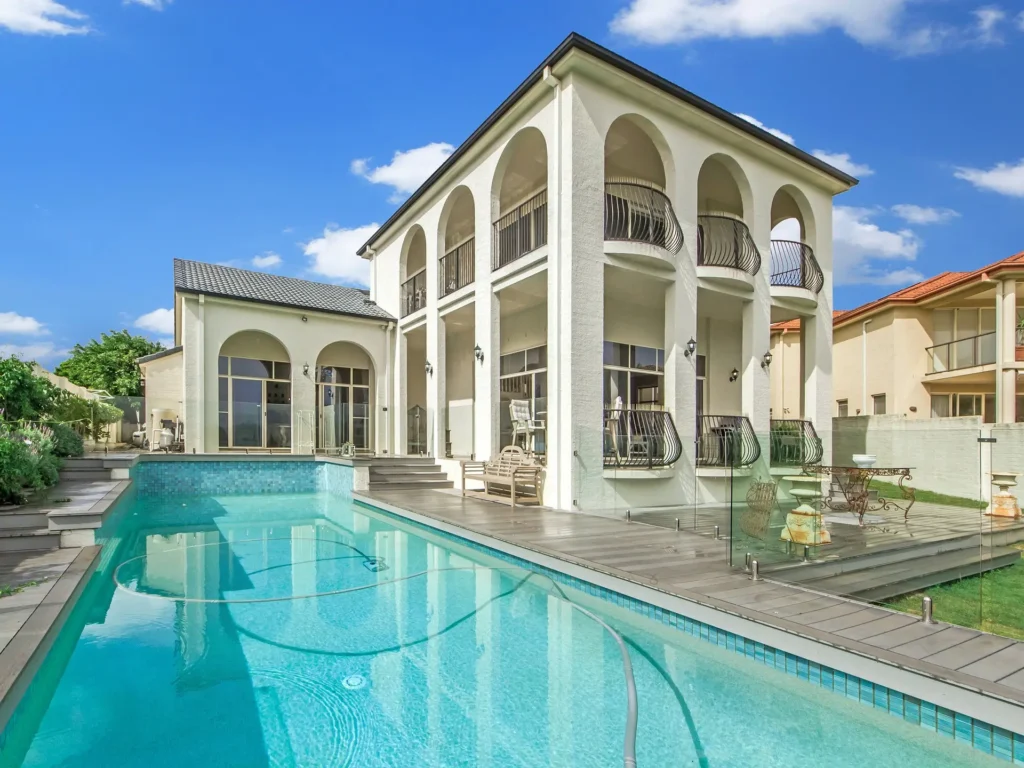
Selecting a luxury hotel involves aligning purpose with design, location, and services. Honeymooners may prefer beachfront resorts with private pools and in-villa dining, while business travelers value urban luxury hotels with concierge services, executive lounges, and connectivity. Wellness-focused travelers may prioritize spa programs and holistic offerings, while culinary travelers seek properties with Michelin-star dining and curated food experiences.
Evaluating reviews, amenities, design philosophy, and cultural authenticity helps ensure that the stay matches personal travel style.
The Future of Luxury Hotels
The future of luxury hospitality leans toward sustainability, conscious travel, and hyper-personalization. Floating villas, underwater hotels, eco-architecture, space tourism, and regenerative travel programs are already emerging. Bio-personalized wellness—driven by genomic testing, sleep analysis, and nutrition science—will shape tomorrow’s luxury retreats. Sustainability will no longer be optional; it will define credibility and long-term trust.
Frequently Asked Questions
What makes a hotel a luxury hotel?
A luxury hotel offers elevated standards in design, service, dining, wellness, privacy, and personalization. It emphasizes craftsmanship, exclusivity, and guest well-being with seamless and intuitive hospitality.
Are all five-star hotels considered luxury?
Five-star ratings indicate high service standards, but true luxury goes beyond ratings. It requires emotional connection, cultural authenticity, and experiential value.
What are the most prestigious luxury hotel brands?
Brands like Four Seasons, Aman, Ritz-Carlton, St. Regis, Rosewood, Mandarin Oriental, One&Only, and Six Senses are widely regarded among the top in global luxury hospitality.
Why are luxury hotels so expensive?
Luxury hotels invest heavily in architecture, materials, culinary talent, spa services, staff training, security, sustainability, and land value—resulting in higher operational costs and guest value.
Are luxury hotels worth the price?
For many travelers, luxury hotels offer peace of mind, superior comfort, and life-enhancing experiences that justify the expense.