Fine dining travel has become one of the most exciting luxury travel trends in the world, attracting enthusiasts who want to experience Michelin-starred restaurants, celebrity chef tasting menus, regional heritage cuisine, wine pairings, and unique terroir-driven culinary journeys. For many travelers, food is no longer just a part of travel—it is the main event. From Paris to Tokyo, New York to Singapore, Copenhagen to Mexico City, modern fine dining travel blends gastronomy, culture, art, and storytelling into experiences that transform the way we understand food.
This comprehensive guide unveils the world of fine dining travel—where to go, what to expect, how to book reservations, how to choose restaurants, and how to build entire travel itineraries around food. Whether you’re a seasoned foodie or just starting to explore gourmet cuisine, this guide will elevate your culinary journeys with sophistication and strategy.
Understanding the Concept of Fine Dining Travel
Fine dining travel involves planning trips around exceptional culinary destinations. The focus goes beyond eating well—it includes:
- Michelin-starred restaurants
- Seasonal tasting menus
- Wine pairings & vineyards
- Celebrity chef experiences
- Culinary workshops
- Local food history + traditions
- Market tours & farm visits
- Historic cafes & gourmet institutions
- Food festivals & gastronomic fairs
The goal is to immerse yourself in a culture through its highest culinary expressions.
Global Destinations for Fine Dining Travel
Certain cities and regions have earned worldwide reputations for gourmet excellence. Each offers unique culinary narratives shaped by history, climate, and culture.
Paris, France: The Capital of Haute Cuisine
Paris represents elegance, precision, and tradition. It is home to legendary dining rooms such as:
- Guy Savoy
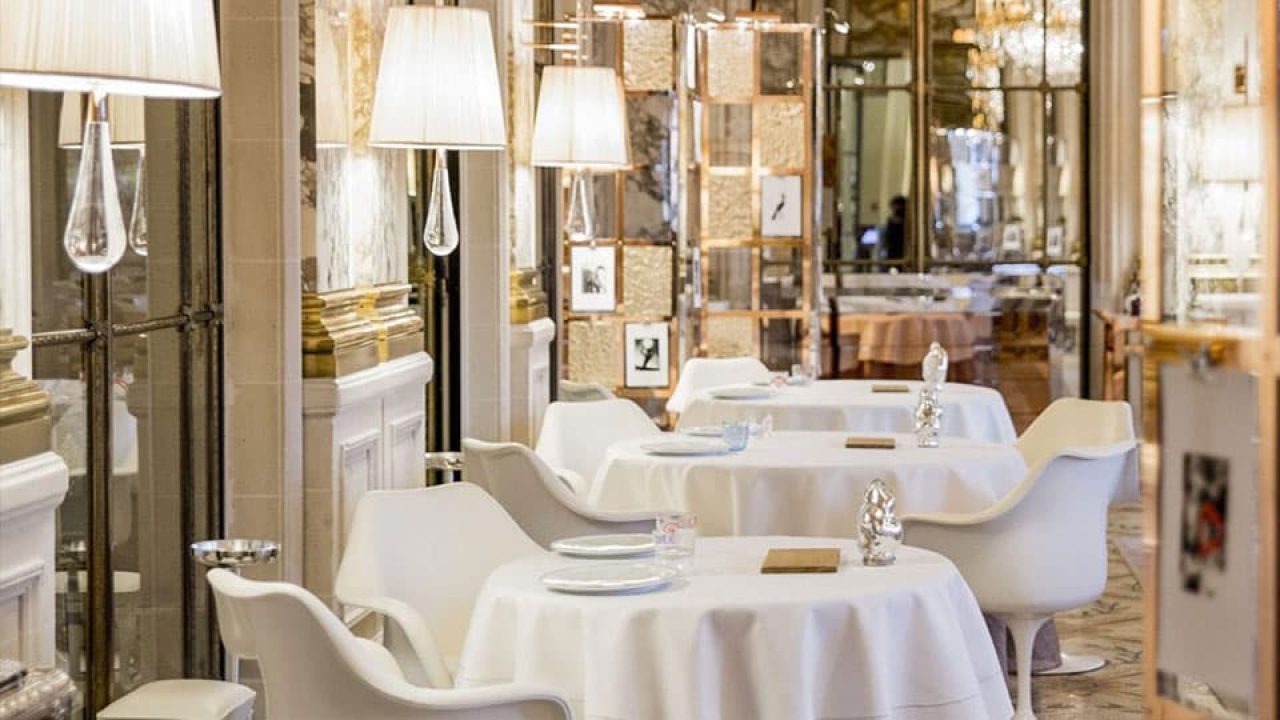
- Le Meurice
- Alain Ducasse au Plaza Athénée
- L’Ambroisie
Paris also embraces modernity with neo-bistro culture and artisanal patisseries. No culinary trip to Paris is complete without:
- Wine & cheese tastings
- Pastry and chocolate tours
- Market visits at Rue Cler or Marché d’Aligre
- Afternoon tea at luxury hotels
Tokyo, Japan: The Michelin Star Empire
Tokyo consistently ranks as the city with the most Michelin-starred restaurants in the world. The culinary scene thrives on discipline, craftsmanship, and purity of ingredients.
Key fine dining experiences include:
- Sushi omakase rituals
- Kaiseki (seasonal multi-course meals)
- Wagyu tasting experiences
- Tempura counters
- Michelin ramen shops
Tokyo emphasizes seasonality (shun), tradition, and minimalism, making it one of the great food pilgrimages on earth.
New York City, USA: Culinary Diversity Meets Innovation
NYC blends global influences, Michelin acclaim, and creative experimentation.
Iconic fine dining spots include:
- Eleven Madison Park
- Per Se
- Le Bernardin
- Masa
New York is also home to:
- Celebrity chef restaurants
- Gourmet steakhouses
- High-end sushi bars
- Wine bars and sommelier experiences
The diversity of the city makes it ideal for culinary exploration across cultures.
Copenhagen, Denmark: The New Nordic Food Movement
Copenhagen disrupted global dining through its New Nordic cuisine movement—centered on local, seasonal, and foraged ingredients.
World-famous restaurants include:
- Noma
- Geranium
- Amass
Travelers come to Copenhagen for culinary creativity and sustainability-focused tasting menus that redefine luxury dining.
Singapore: Southeast Asia’s Fine Dining Hub
Singapore combines Michelin-level restaurants, hawker heritage, and luxury hospitality.
Key experiences include:
- Fine dining at Marina Bay Sands
- Omakase at Japanese counters
- Heritage Peranakan cuisine
- Cocktail bars with global rankings
Singapore offers high-end dining with cultural authenticity and modern flair.
Mexico City, Mexico: Culinary Storytelling & Ancient Roots
Mexico City has emerged as a top destination for avant-garde culinary travel.
Renowned restaurants include:
- Pujol
- Quintonil
- Sud 777
These restaurants blend indigenous ingredients, pre-Hispanic techniques, and artistic presentations that connect food to cultural identity.
Types of Fine Dining Experiences Around the World
Fine dining travel is not confined to white-tablecloth restaurants. It includes various formats.
Michelin-Starred Restaurants
Michelin remains the global standard of fine dining excellence, awarding:
- 1 Star: High-quality cuisine
- 2 Stars: Excellent cooking, worth a detour
- 3 Stars: Exceptional cuisine, worth a special journey
Culinary travelers often build itineraries around Michelin guides.
Chef’s Table & Tasting Menus
Chef’s table experiences offer:
- Direct interaction with chefs
- Seasonal tasting menus
- Wine/sake pairings
- Behind-the-scenes storytelling
These intimate settings often seat fewer than 10 guests.
Omakase Counters
Omakase (“I leave it up to you”) is a fine dining format where sushi chefs create menus of the day’s best ingredients. Tokyo, LA, and NYC are major omakase hubs.
Luxury Wine & Sommelier Journeys
Fine dining travel intersects with wine destinations including:
- Bordeaux & Burgundy (France)
- Napa Valley (USA)
- Tuscany (Italy)
- Mendoza (Argentina)
- Douro Valley (Portugal)
Experiences include vineyard tours, barrel tastings, and farmhouse dining.
Farm-to-Table Gastronomy
Sustainability-focused fine dining blends:
- Organic sourcing
- Local ingredients
- Zero-waste philosophy
- Foraging & fermentation
Restaurants like Noma (Copenhagen) and Blue Hill at Stone Barns (NY) pioneered this movement.
How to Plan a Fine Dining Travel Itinerary
Planning a food-centered trip involves strategy and research.
Define Your Culinary Goals
Fine dining travelers often choose a theme such as:
- Michelin tasting menus
- Sushi & seafood
- Wine journeys
- Pastry & dessert tours
- Cultural food heritage
- Celebrity chef restaurants
Aligning your interests ensures a satisfying experience.
Book Restaurants Weeks or Months in Advance
High-demand restaurants require early reservations:
- 30–180 days before travel for Michelin stars
- 1–3 months for celebrity chefs
- 2–6 months for chef’s tables
Platforms like Tock, Resy, and OpenTable assist with bookings, but hotels often secure hard-to-get reservations through concierge networks.
Balance Fine Dining with Local Food Culture
A perfect culinary itinerary includes:
- High-end tasting menus
- Street food heritage
- Local markets
- Bakeries & cafes
- Winery or brewery visits
- Cultural cooking classes
This creates a full picture of local gastronomy.
Consider Dietary Preferences & Etiquette
Luxury travelers communicate preferences in advance:
- Allergies
- Dietary restrictions
- Religious requirements
Fine dining restaurants accommodate these seamlessly with notice.
Fine Dining Etiquette & Cultural Expectations
Gastronomic travel often intersects with cultural customs.
Dress Codes
Luxury dining rooms often expect:
- Jackets for men
- Elegant attire for women
- No shorts or sportswear
Check the restaurant’s policy before packing.
Pacing & Timing
Tasting menus may last:
- 2–5 hours for multi-course meals
Arrive on time and expect a slower, immersive experience.
Wine & Beverage Pairings
Sommelier pairings often enhance tasting menus. Options include:
- Wine pairings
- Non-alcoholic pairings
- Sake/cocktail pairings
Some restaurants now offer fermentations and tea pairings instead of alcohol.
Cost & Budgeting for Fine Dining Travel
Fine dining travel ranges widely in price depending on city and concept.
Typical tasting menu ranges:
- Paris/Tokyo/NYC: $200–$800 per person
- Singapore/Hong Kong: $150–$500 per person
- Mexico City/Lima: $80–$200 per person
Wine pairings often match the menu price.
Food travelers often budget specifically for culinary experiences as a core trip expense.
How to Enhance Your Fine Dining Travel Experience
Fine dining travel is more fulfilling when connected to context.
Visit Markets & Food Halls
Explore:
- Tsukiji Market (Tokyo)
- La Boqueria (Barcelona)
- Borough Market (London)
- Mercado de San Juan (Mexico City)
Markets reveal the origins of the ingredients used in luxury kitchens.
Take Cooking Classes with Local Chefs
Classes offer:
- Ingredient knowledge
- Technique training
- Cultural insights
Some Michelin restaurants offer backstage workshops for enthusiasts.
Meet Local Producers
Visiting:
- Wineries
- Cheese producers
- Olive oil farms
- Bakeries
- Tea plantations
These allow deeper appreciation of terroir and craftsmanship.
Frequently Asked Questions
Is fine dining travel only about Michelin restaurants?
No. It includes omakase counters, chef’s tables, wineries, farm-to-table dining, and cultural food experiences.
Do you need reservations for fine dining?
Most Michelin and chef-driven restaurants require reservations weeks or months in advance.
Which countries are best for fine dining travel?
France, Japan, Denmark, Spain, Singapore, USA, and Mexico are global leaders in culinary tourism.
Is fine dining travel expensive?
It can be, but destinations like Mexico City, Bangkok, and Lisbon offer affordable gourmet excellence compared to Paris or New York.
Final Thoughts
Fine dining travel is one of the most rewarding forms of exploration, offering cultural immersion, artistic presentations, and sensory experiences that reveal a destination’s identity. Whether tasting kaiseki in Kyoto, New Nordic menus in Copenhagen, or modern Mexican cuisine in CDMX, culinary journeys create unforgettable memories. By understanding where to go, how to book, and how to plan, travelers can elevate their global adventures through the world’s finest kitchens and dining rooms.